
Interview ‘Voices of Askania: Steppe Lost’ was presented within the eco newspaper at the Fourth Summit of First Ladies and Gentlemen
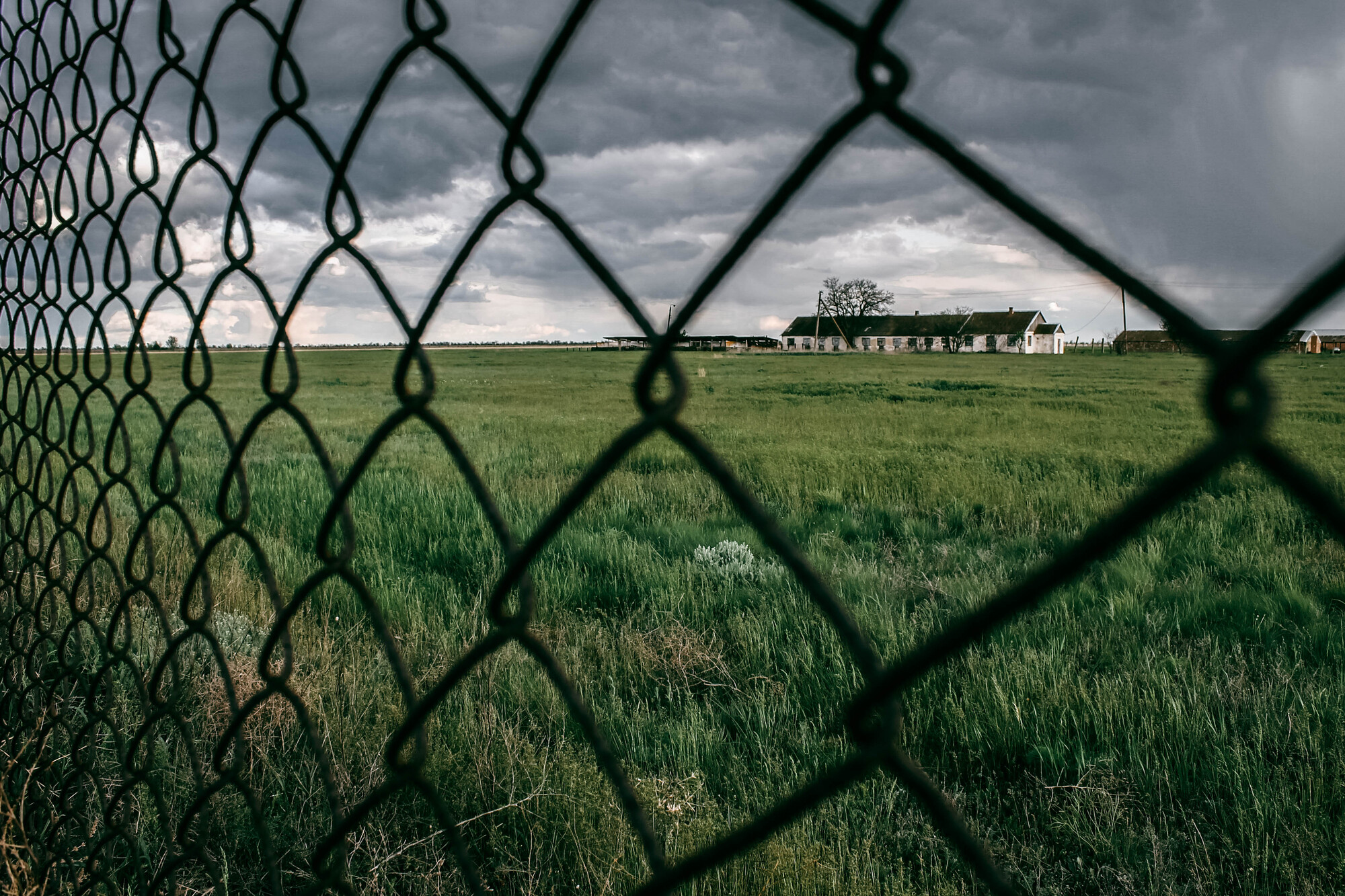
The ‘Safe Environment for Children’ dimension became one of the main focuses at the Fourth Summit of First Ladies and Gentlemen. One of its key formats was an eco newspaper highlighting Ukrainian young people’s demands for nature conservation, exploring the connection between the environment and mental resilience, and sharing stories of Ukrainians from temporarily occupied nature reserves.
One of these locations is the Askania-Nova Biosphere Reserve, which has been at risk due to potential fires, hostilities and the movement of Russian military equipment.
In the interview ‘Voices of Askania: Steppe Lost’, a young Ukrainian couple, Mykola and Maryna, who are originally from this area, shared how, due to Russian military aggression, they were forcibly separated from their natural environment and cultural roots.
The interview was specially prepared for the eco newspaper, presented at the fourth Summit of First Ladies and Gentlemen and created by UNICEF in Ukraine, as well as the Cultural Platform Zakarpattia NGO.
Mykola, 27, and his wife Maryna, 24, are from the Kherson region. Their childhood and youth are inextricably intertwined with the Askania-Nova Biosphere Reserve, which is located in this region and is currently temporarily occupied by Russian forces. Since 24 February 2022, it has been no longer possible for young people to return to Askania-Nova due to Russia’s full-scale war against Ukraine.
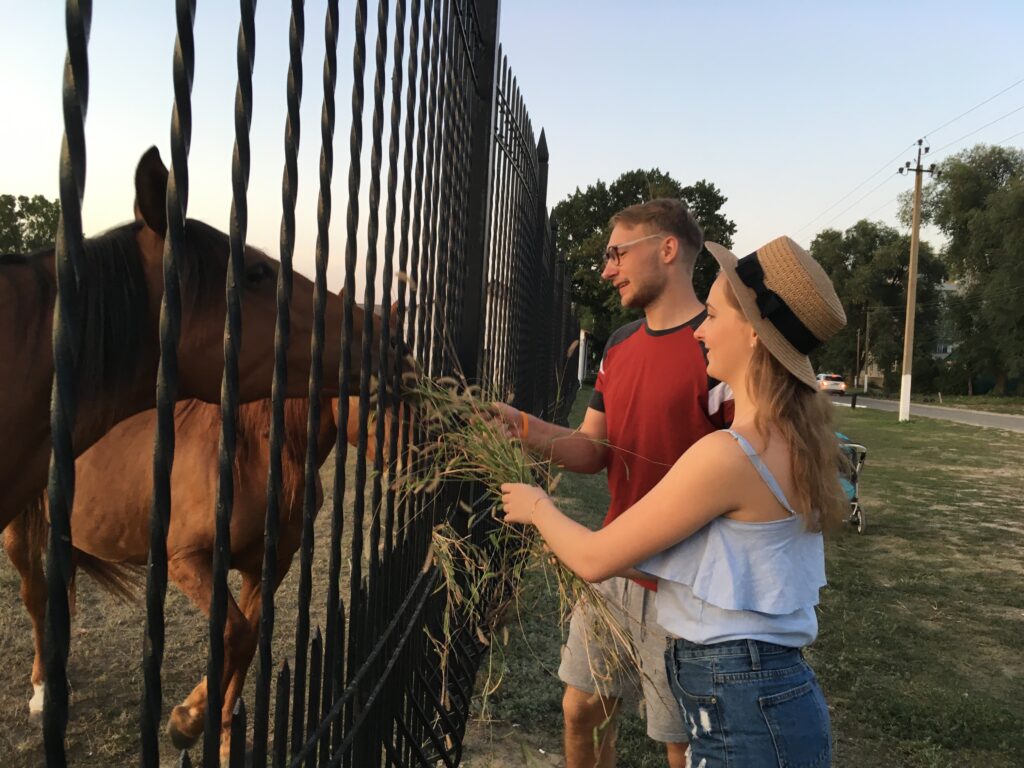
‘The last time I went home was in January 2022,’ – says Maryna, adding that the biosphere reserve will forever remain in her and her husband’s hearts.
According to Mykola, whenever he meets new people and says he is from Askania-Nova, he sees sincere bewilderment in their eyes. ‘People always ask me: really, straight from the reserve? I joke and say, yes, and we even had camels as our neighbours,’ – Mykola smiles. He has been living and working in Kyiv for several years now.
Ukrainian miracle
Maryna recalls how, as a child, she used to list the regions of Ukraine by the licence plates of the cars that came to the reserve for guided tours. These were tourists from all over the country who wanted to see the arboretum, the zoo and the unique Ukrainian steppe.
As a teenager, her husband Mykola even worked as a guide in the reserve. He conducted excursions for school children and showed them trees that had been growing in Askania for more than a century. This helped him better understand and appreciate the place he grew up in.
‘Over time, I realised that I was lucky because I could see this beauty every day. I could touch it, observe it. Often, when you have something, you don’t appreciate it and don’t pay attention to it. And, as they say, you’ll appreciate it more when it’s gone. However, I had realised all this even before we lost Askania,’ – the man recalls sadly. He used to spend all his free time in the park, zoo, and steppe during his youth.
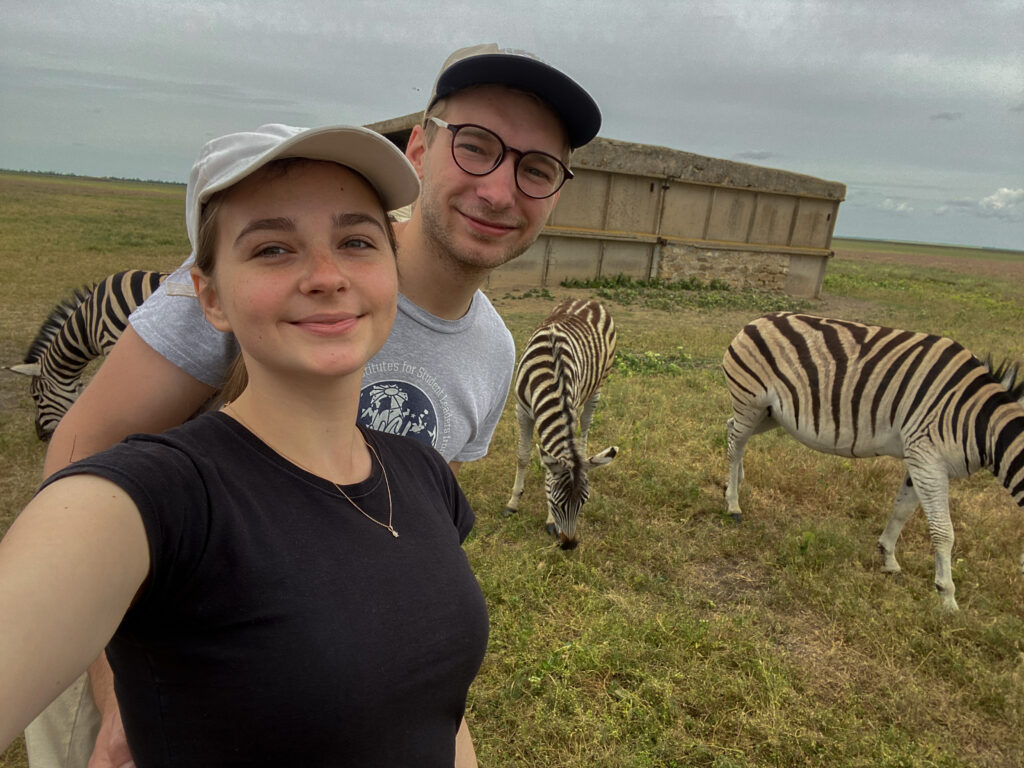
Maryna adds that her respect for nature was formed especially at Askania-Nova. ‘It was probably really ingrained in us that we shouldn’t litter or harm nature. And we were actually very proud of the place where we were born. There are no other places like this in Ukraine that combine the rich flora and fauna, and this pristine steppe zone – still remaining in the form it was hundreds of years ago. That’s why this truly is a Ukrainian miracle,‘ – she says.
Both Maryna and Mykola are convinced that now it is necessary to do everything possible to ensure that people in Ukraine and abroad do not forget about Askania-Nova.
Learned to appreciate life
The couple recalls the village as a friendly community. Mykola and Maryna still keep in touch with their friends who have moved across the country and the world because of the war. ‘There are moments when you realise that only these people will understand you,’ – Maryna shares her thoughts.
Social media posts about the violent impact of the war in Ukraine on nature bring about deep pain for all Askania residents.
‘Because there were many rare animals in the reserve, I learned to value life – all life. It taught me that human actions can be detrimental in all sorts of ways, especially to animals and plants. That feels especially painful now,’ – Mykola says.
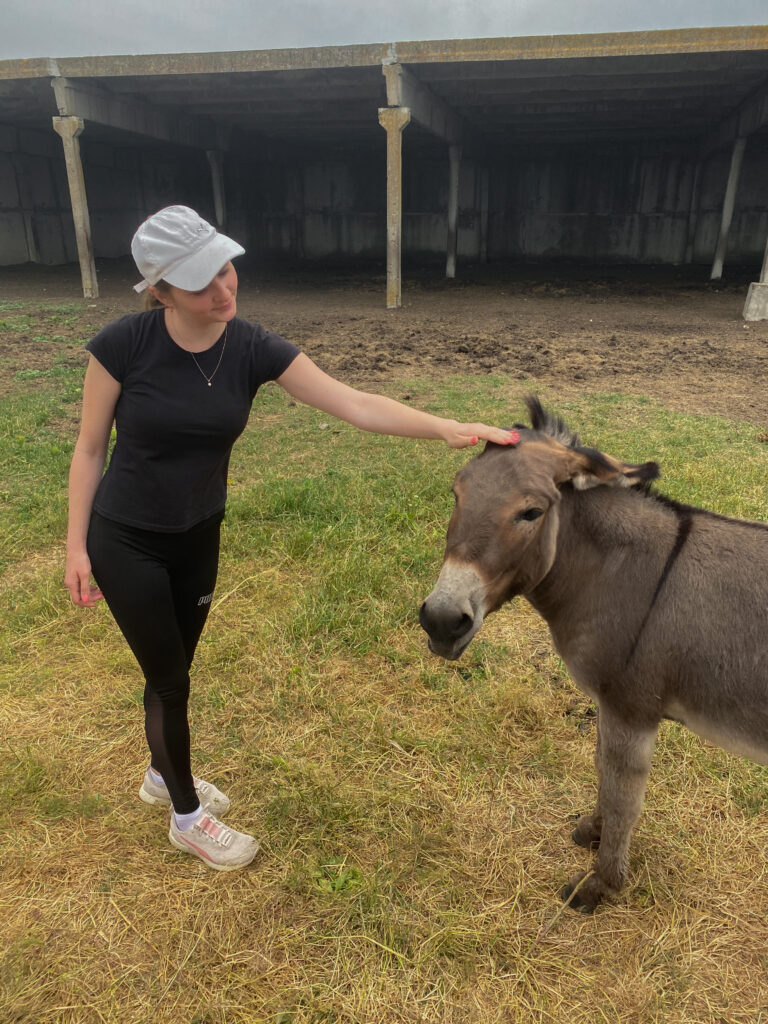
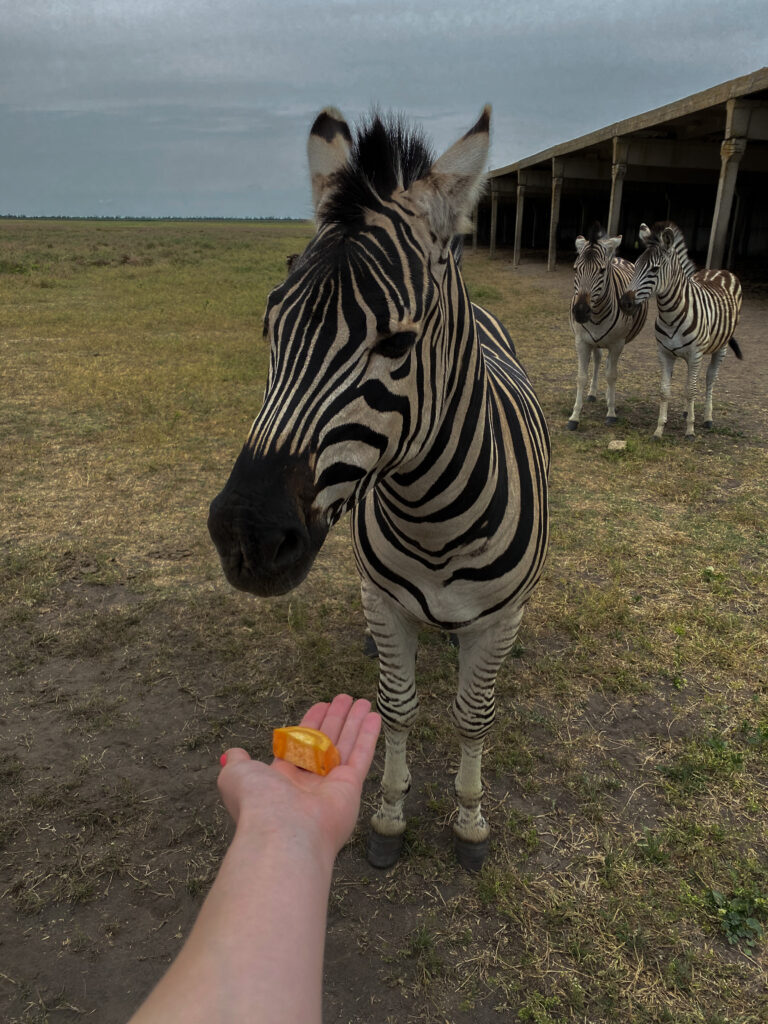
Now, when he travels to different picturesque locations, he always compares them to home in his mind. He compares the sunrises, sunsets and the starry sky over Askania to the rest. ‘It’s my kind of mental anchor, which you compare everything to anyway,’ – the young man explains.
The starry sky above the reserve is the first association his wife, Maryna, feels for home. ‘We always had a great view of the stars, the Milky Way – I miss it very much, especially in August, the period of meteor showers. We always used to go to the open nature, take tourist mats with us, look at the stars with our friends and talk,’ – she recalls.
At the same time, Maryna admits that she really misses this in Kyiv. Because due to the light pollution of the big city, the stars above it are much harder to see.
Natural environment as a source of comfort and peace
There is a term called ‘solastalgia’ that describes a feeling of longing, sadness, or anxiety caused by changes in the natural environment that was once a source of comfort and peace. This feeling is very familiar to Mykola and Maryna now.
In particular, Maryna often still cries when she remembers her childhood, family, and interaction with nature. The woman says that if she could return to the time before the full-scale war, she would spend more time in the steppe.
‘When I get the opportunity to go back, I will go to that hill where we used to watch the sunrise and the stars. I’ll take the Ukrainian flag with me, sit there and look out into the steppe. I just miss it so much. I would never have thought that I would miss the steppe,’ – Maryna says with feeling.
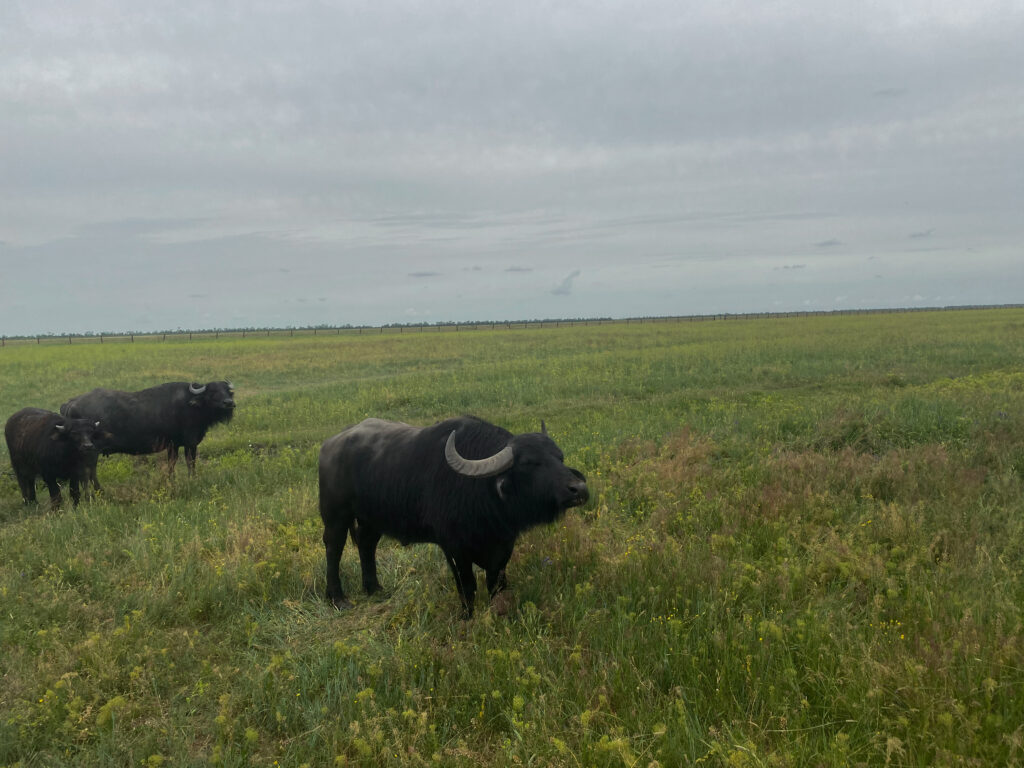
Mykola adds that the Kakhovka tragedy was the most difficult day for him after the war started. He recalls: ‘When the hydroelectric power plant dam was blown up [by Russians – ed.], I had a feeling that my home was getting further away from me. The dam is a symbolic structure, a bridge to the left bank, but it is also a bridge to life, to my childhood as I remember it’.
The young man adds that he felt the destruction of the Kakhovka Dam was the destruction of his past and future – because both Askania and the nature of the Kherson region are part of his personality.
‘I am sure that a person is shaped by the environment in which they live. And it’s not just the people around you, but the nature and landscapes,’ – Mykola says.
He often imagines the war ending, him crossing the Dnipro River via the repaired Kakhovka Dam, getting home, and seeing Askania again. The man understands that the war has changed the place of his childhood, but he believes that it still remains unique.
‘It is impossible to take the beautiful sunrises and sunsets of Askania away, no matter where it is, no matter under whose control. You can send Chapman’s zebras or Przewalski’s horses away but not stop the sun or turn it around so that it rises from the other side. Thank God, that is beyond the power of man,’ – Mykola notes.
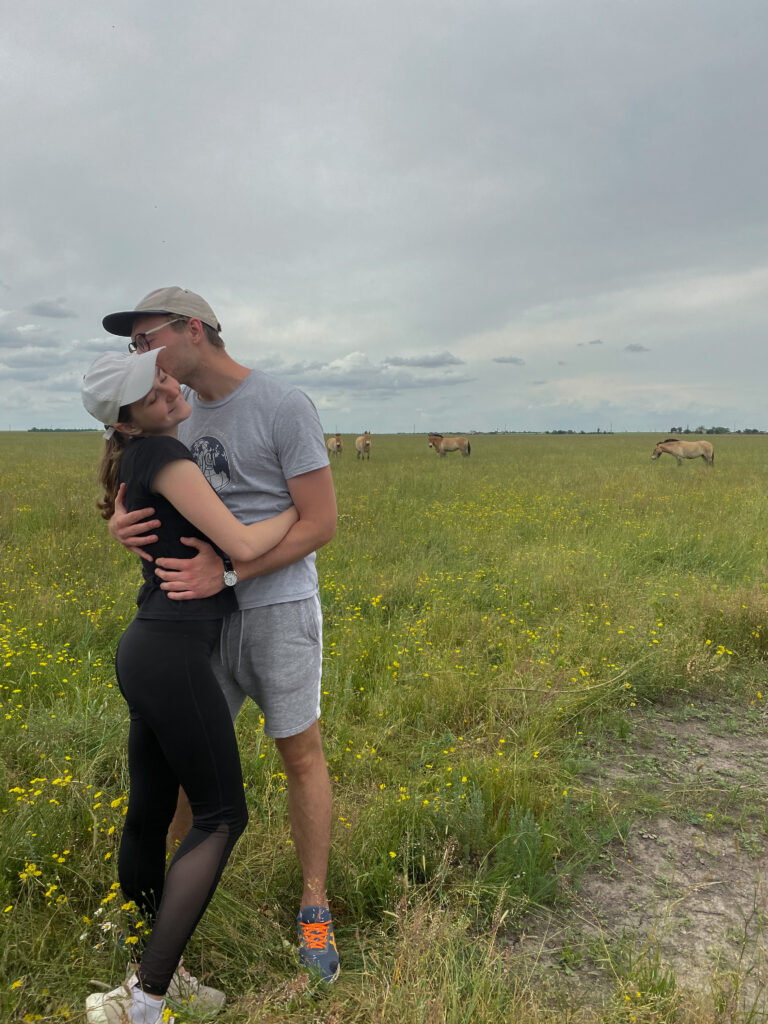
Maryna adds that she dreams not only of restoring the biosphere reserve but also of a new, peaceful life for her village. After all, Askania-Nova is not only a park and a zoo but also a settlement where approximately 3,500 people lived before the full-scale war.
‘This place needs to be revived in the future. We need to help nature, we need to help people, we need to make this place attractive to people again. I would hate for these unique places to be deserted,’ – Mykola concludes.
The ‘Safe Environment for Children’ dimension of the Fourth Summit of First Ladies and Gentlemen was presented through four key formats: a creative installation, special gifts for the guests, a Summit eco newspaper, and podcasts with young people. Notably, five pavilions were created, representing Ukrainian protected areas that are suffering due to the war in various parts of Ukraine, from Luhansk to Crimea. This dimension was presented in partnership with UNICEF in Ukraine, the Cultural Platform Zakarpattia NGO, and Ukrainian youth.
Related articles
-
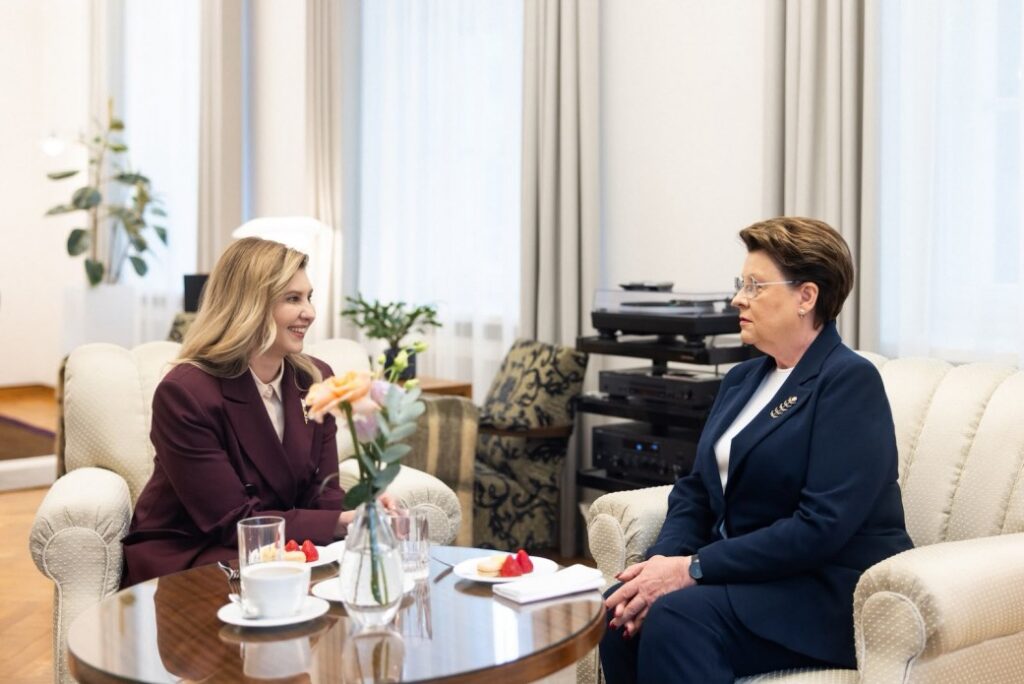 First Ladies of Ukraine and Estonia visit Maarjamäe Castle to reflect on history, memory and resilience
On 9 June, First Lady of Ukraine Olena Zelenska and First Lady of Estonia Sirje Karis visited Maarjamäe Castle in T...
-
 Seven First Ladies and Gentlemen gathered for diplomatic educational event in London
On 14 May, at the initiative of First Lady of Ukraine Olena Zelenska, a High-Level Special Training in Diplomacy to...
-
 First Ladies Agata Kornhauser-Duda and Kim Keon-he met during the Polish delegation’s visit to Korea
During the Polish presidential couple’s official visit to the Republic of Korea, which took place from 22 to ...
-
 OAFLAD: Nearly 25 years of leadership for women and girls — reflections from UNGA81
On 22 September 2026, on the sidelines of the 81st session of the United Nations General Assembly in New York, the ...
-
 “One Desk. Two Marks” Installation Presented at the Sorbonne
The “One Desk. Two Marks” installation has been presented at the Sorbonne, one of France’s best-known universities....
-
 The Global Platform of the Summit of First Ladies and Gentlemen participated in the Global First Ladies Academy
The Global Platform of the Summit of First Ladies and Gentlemen took part in the Second Global First Ladies Academy...