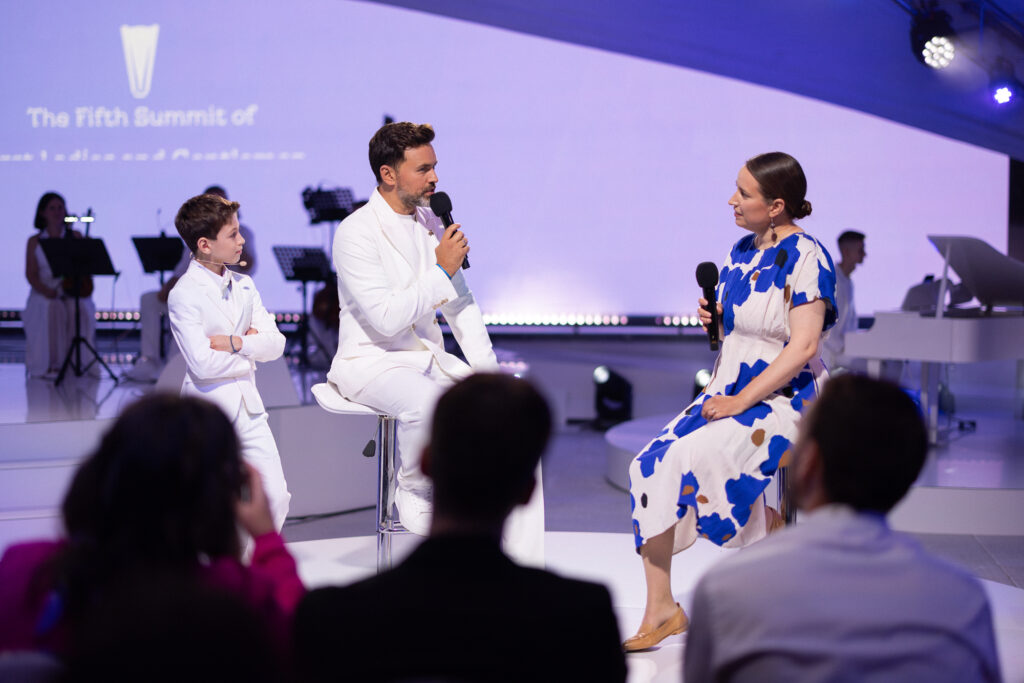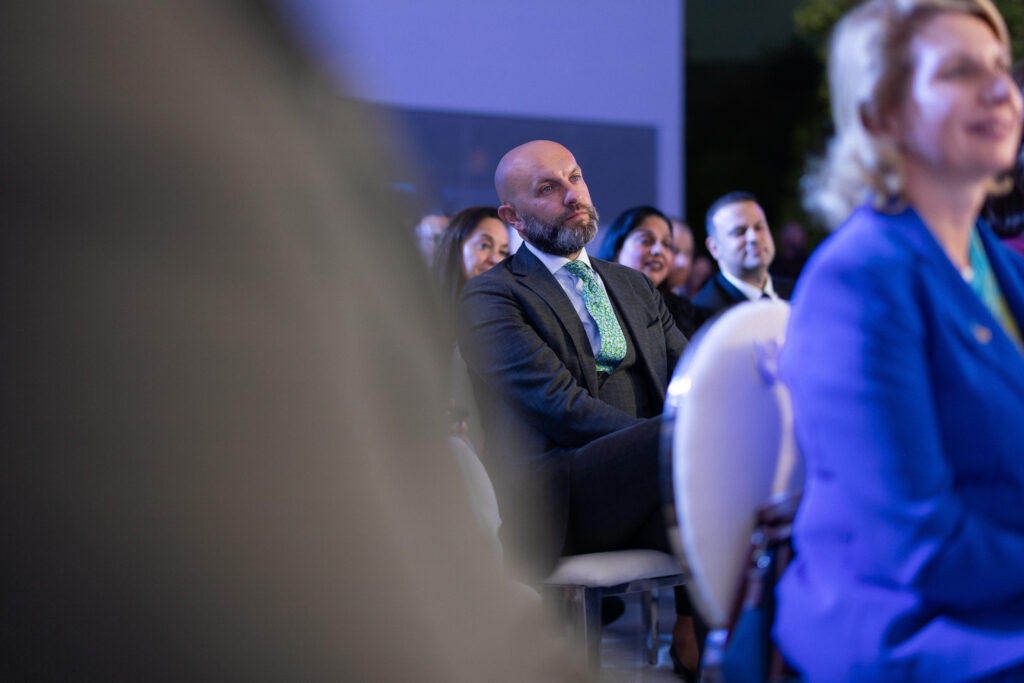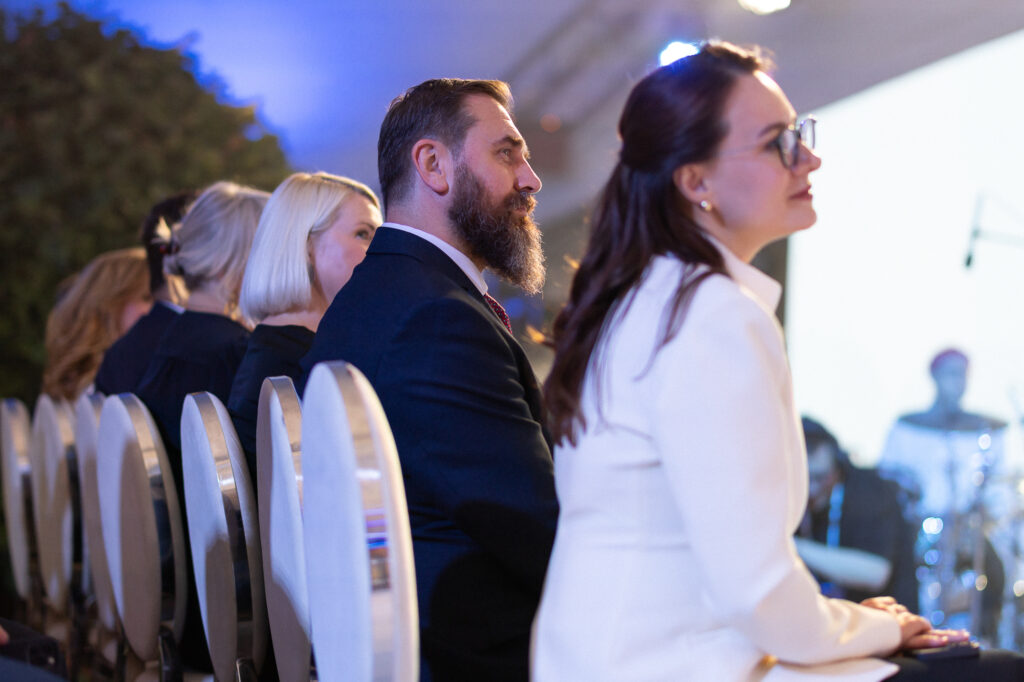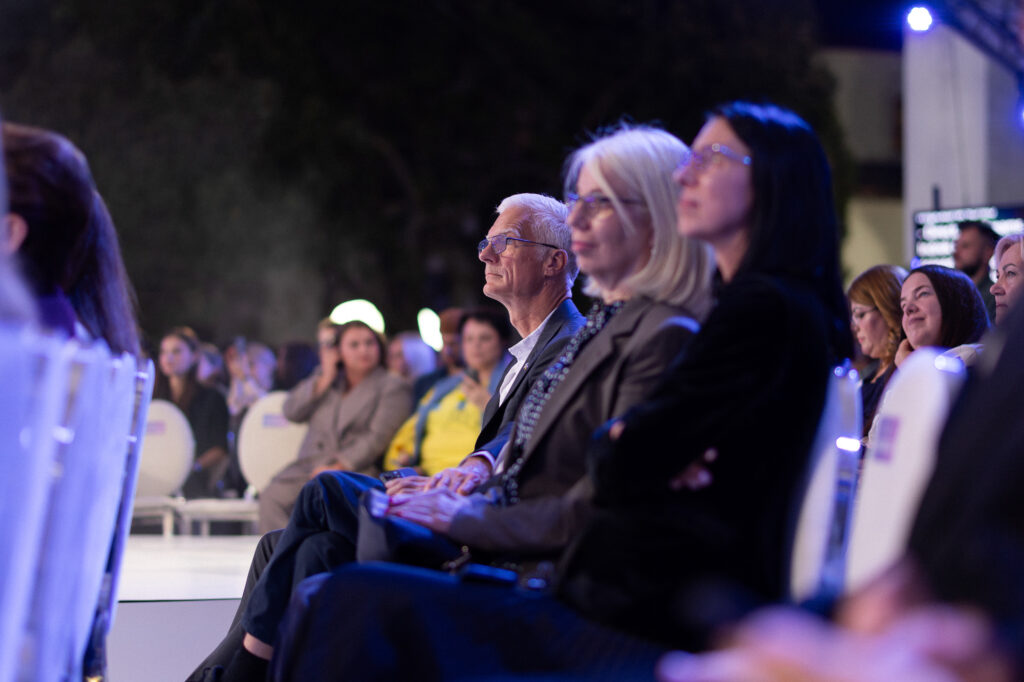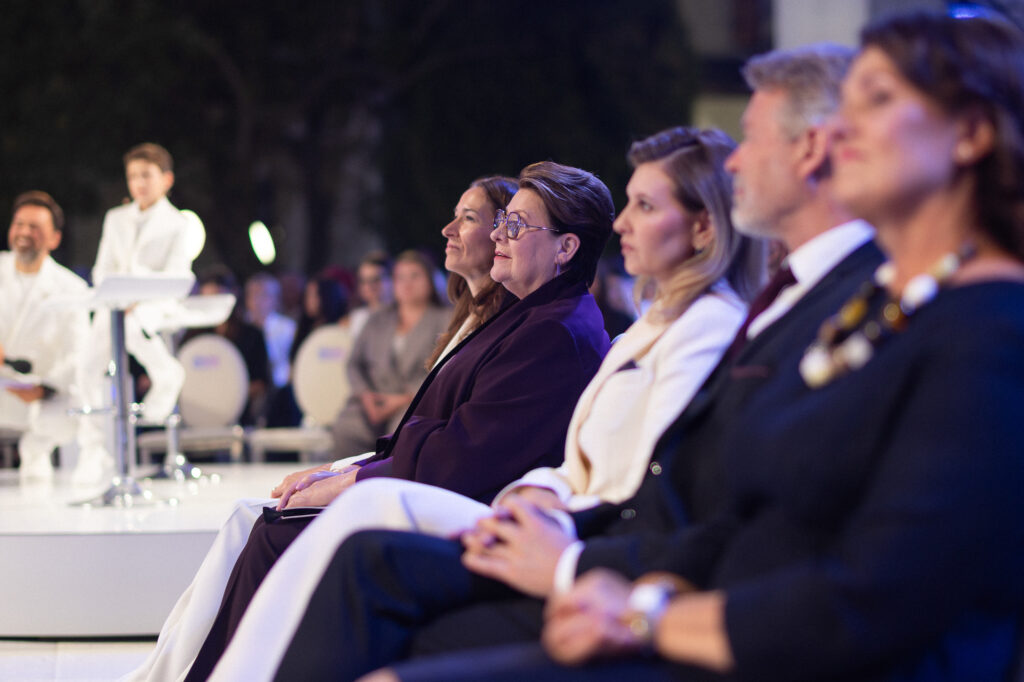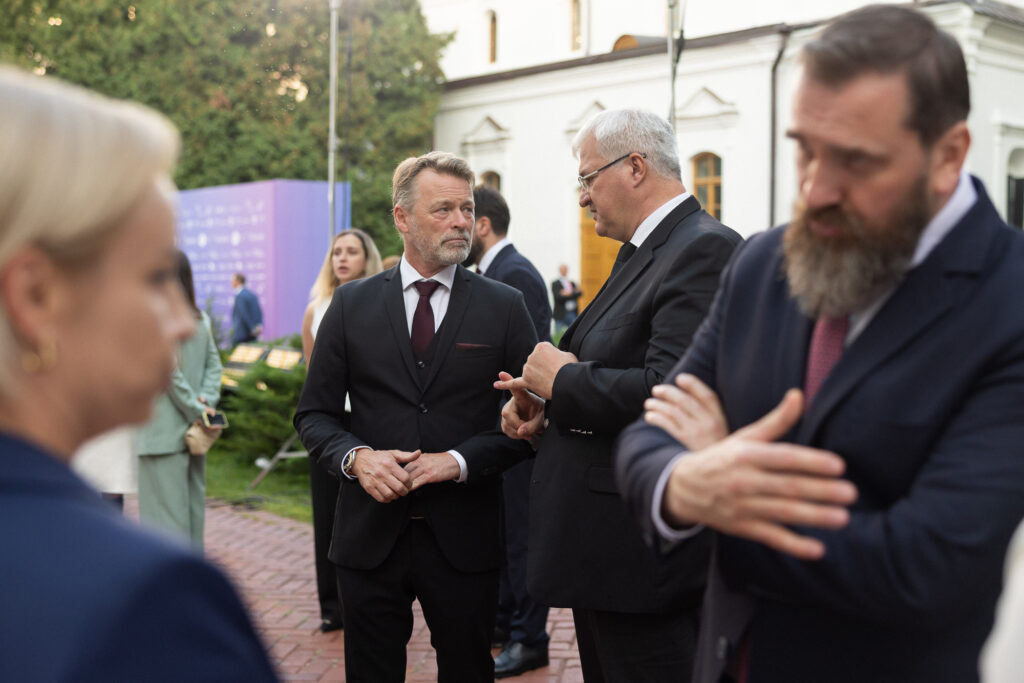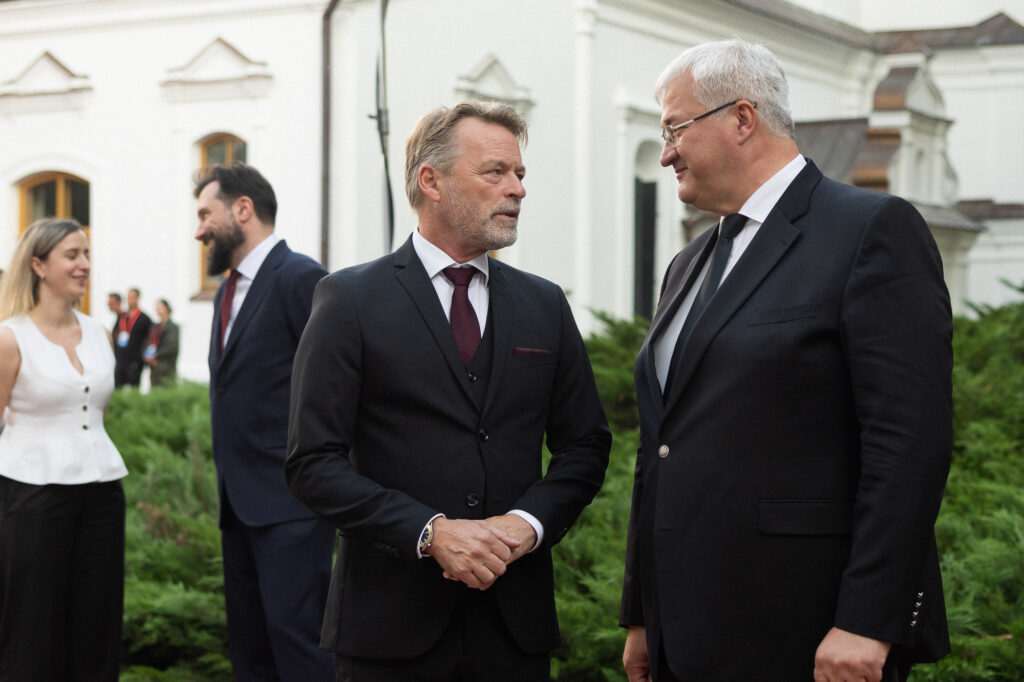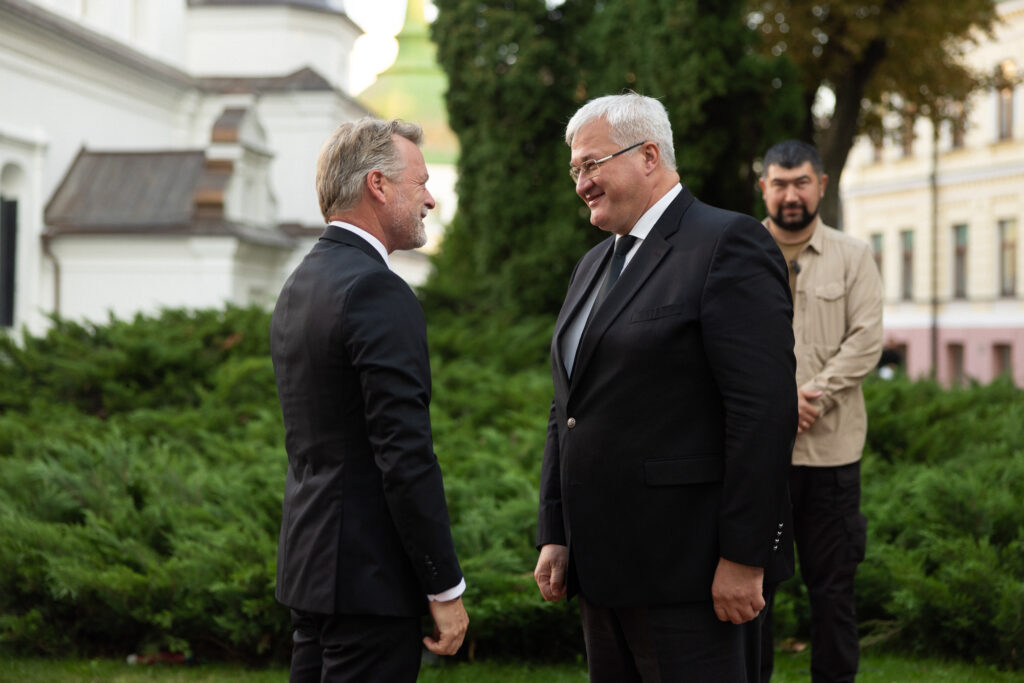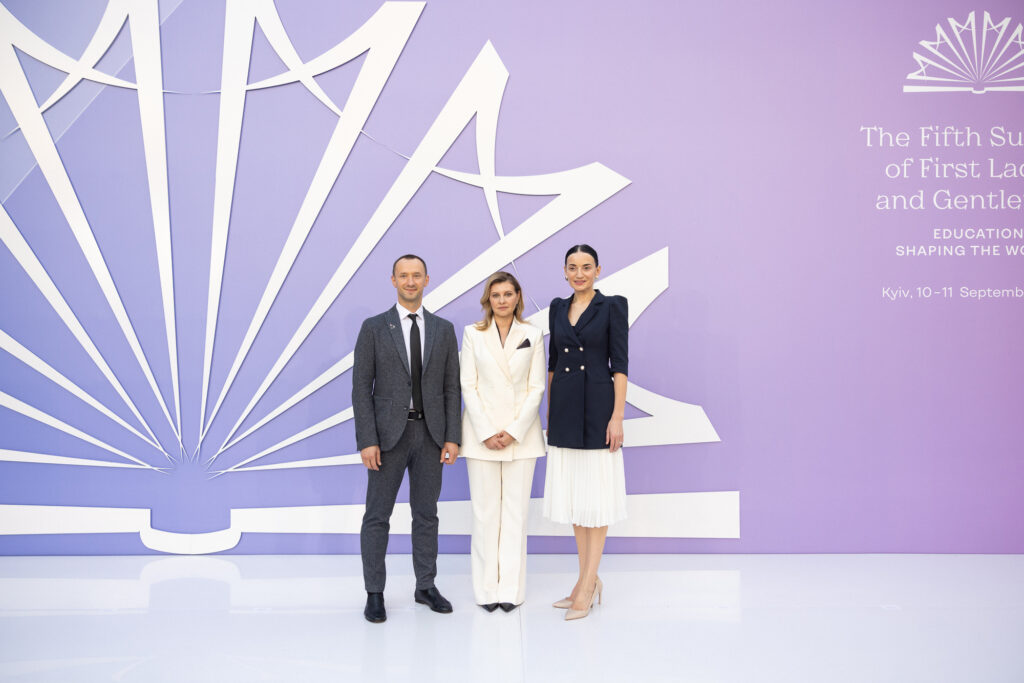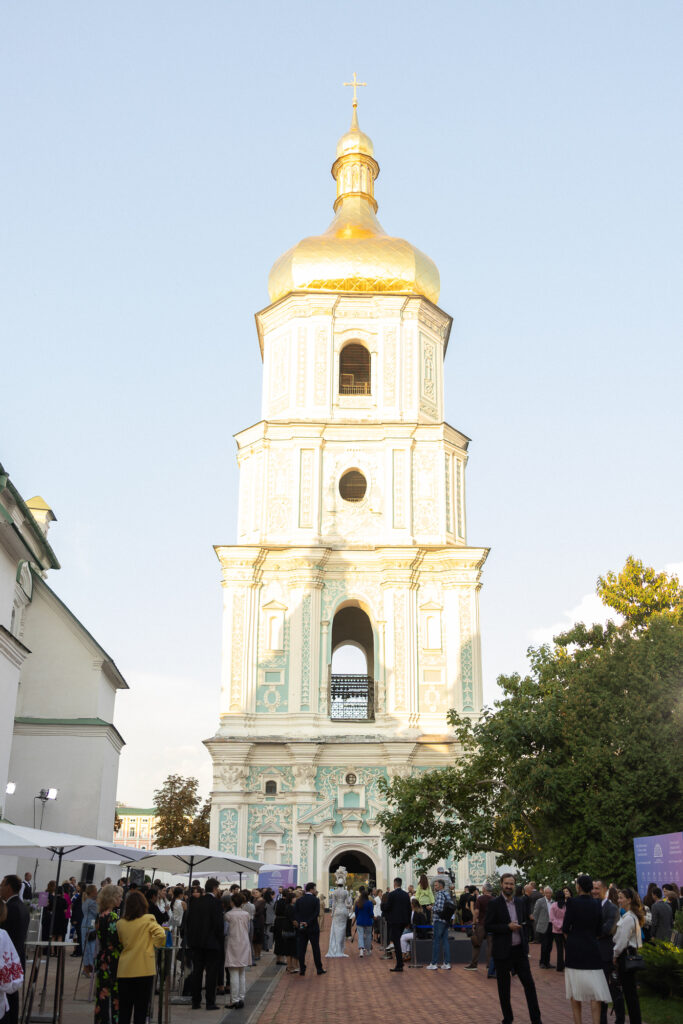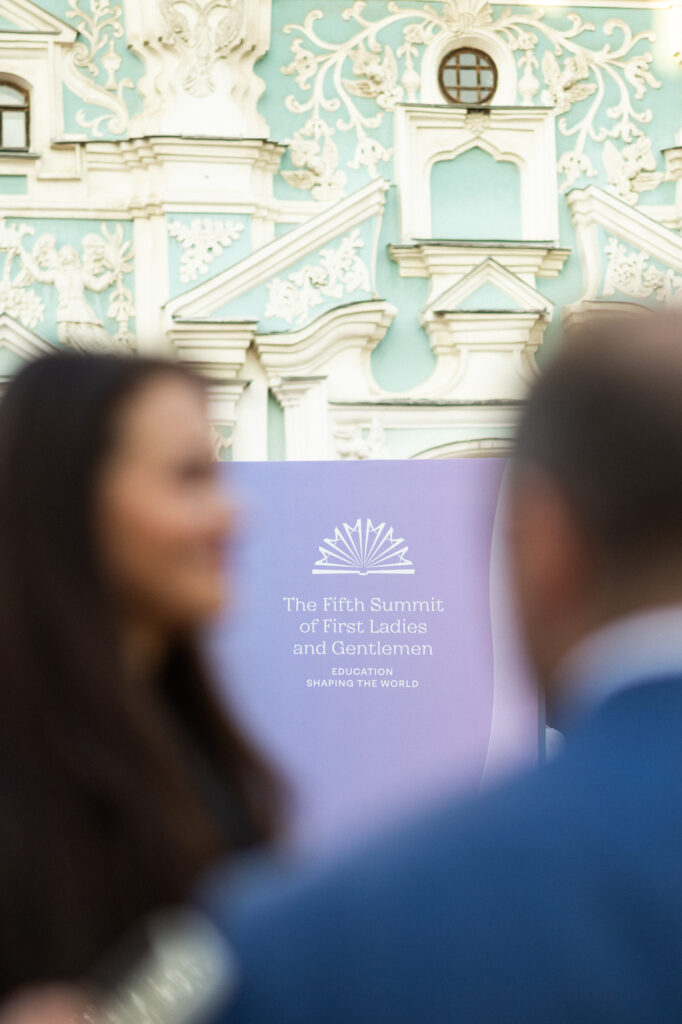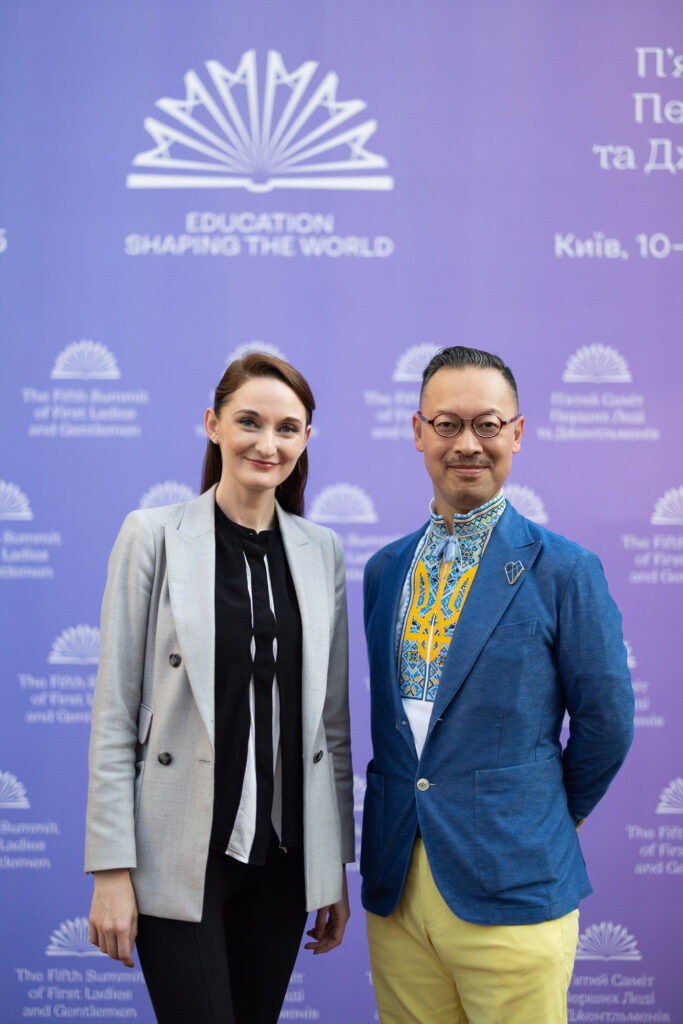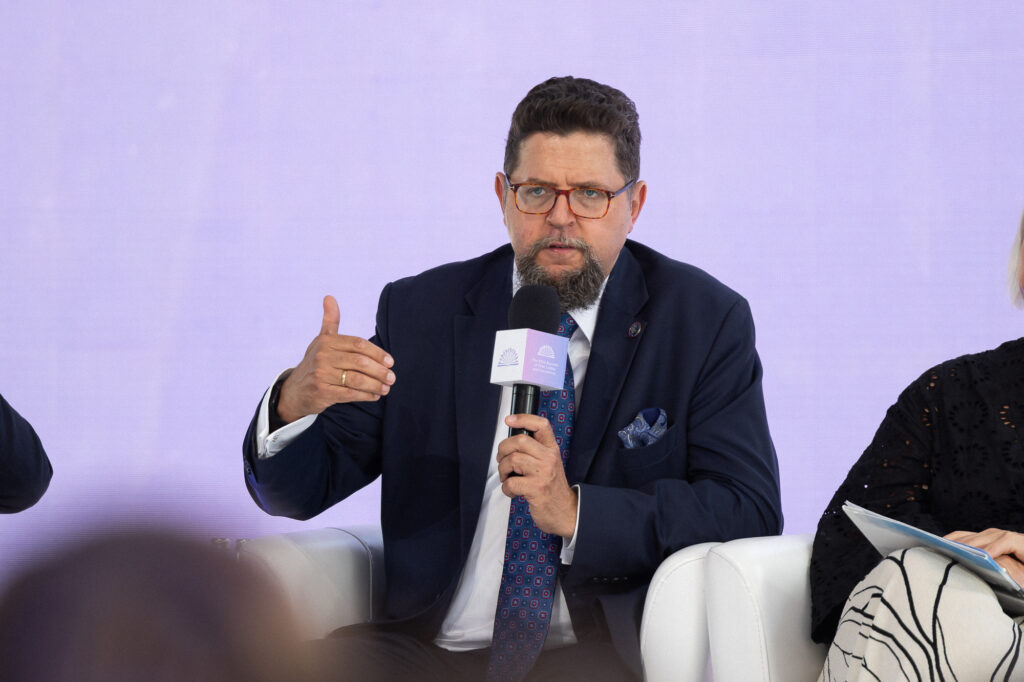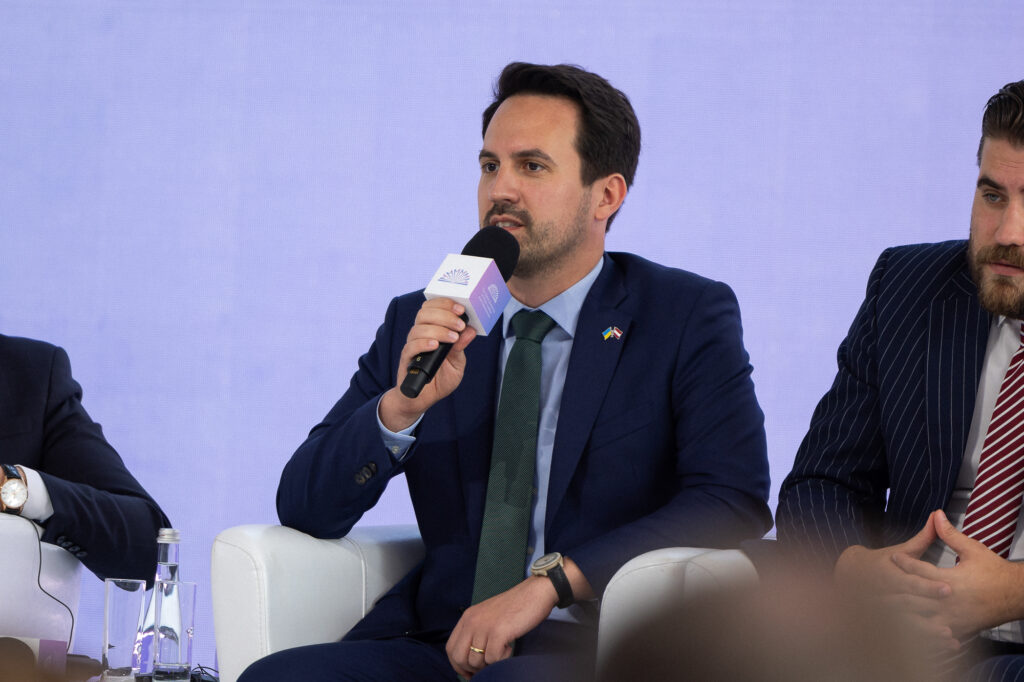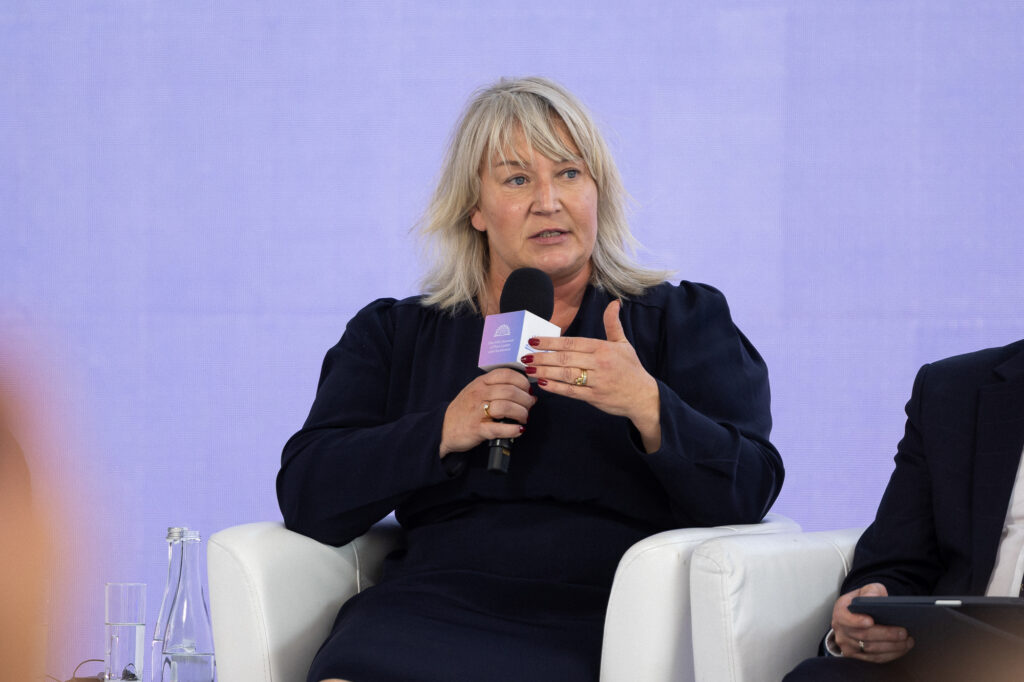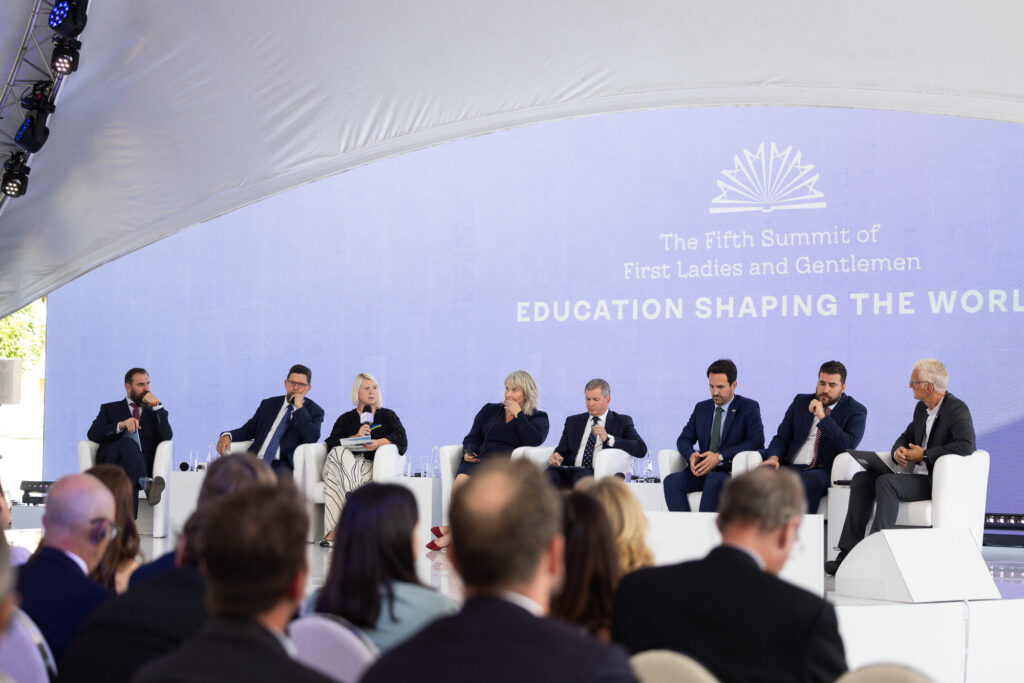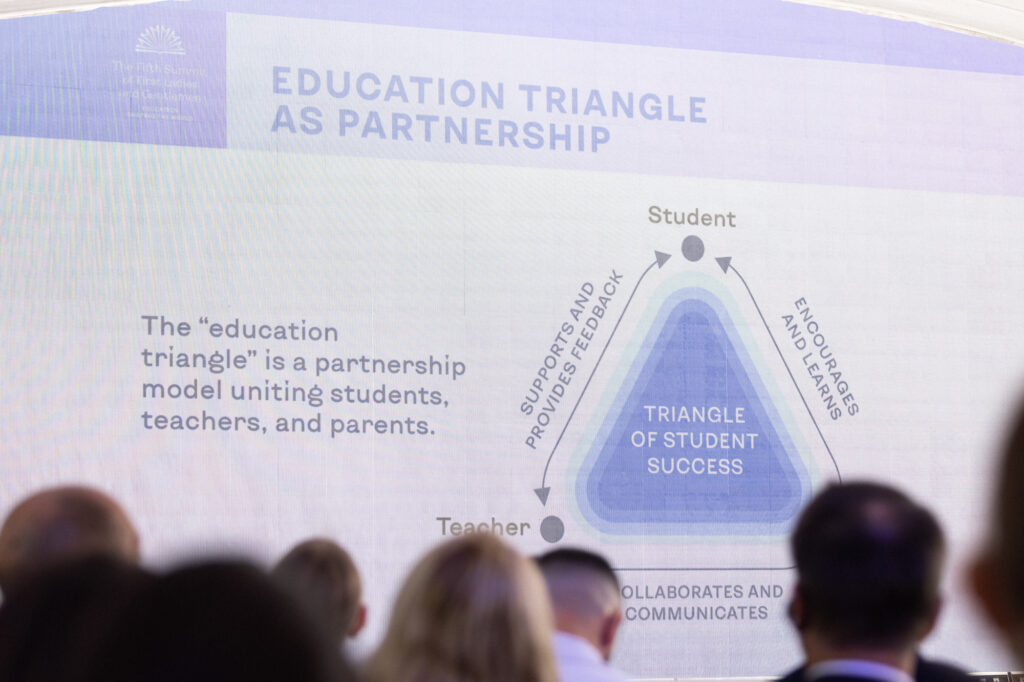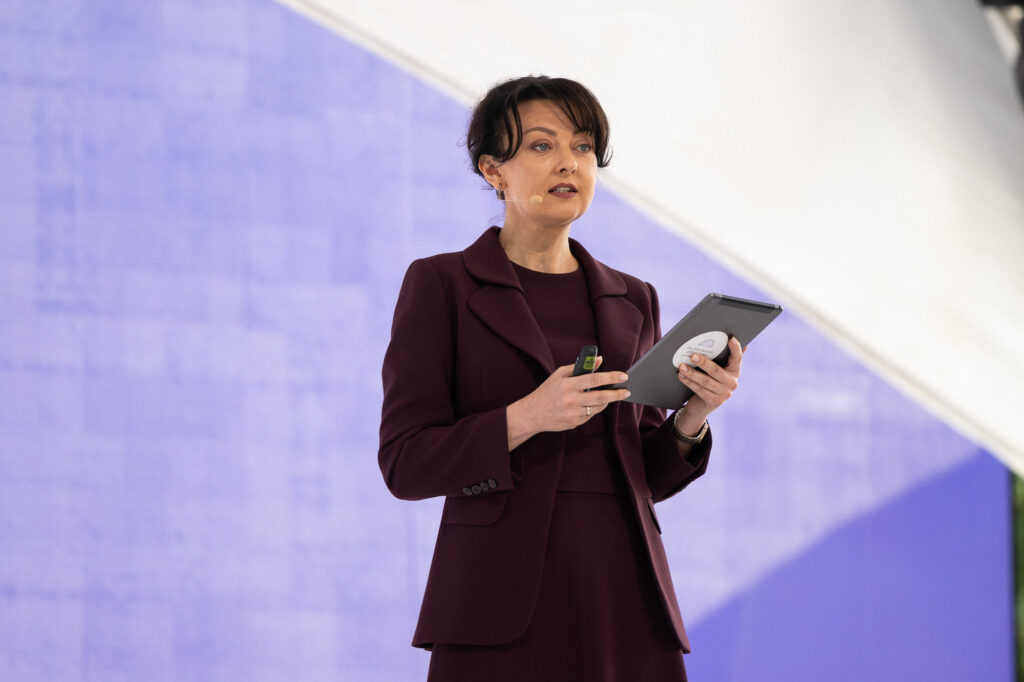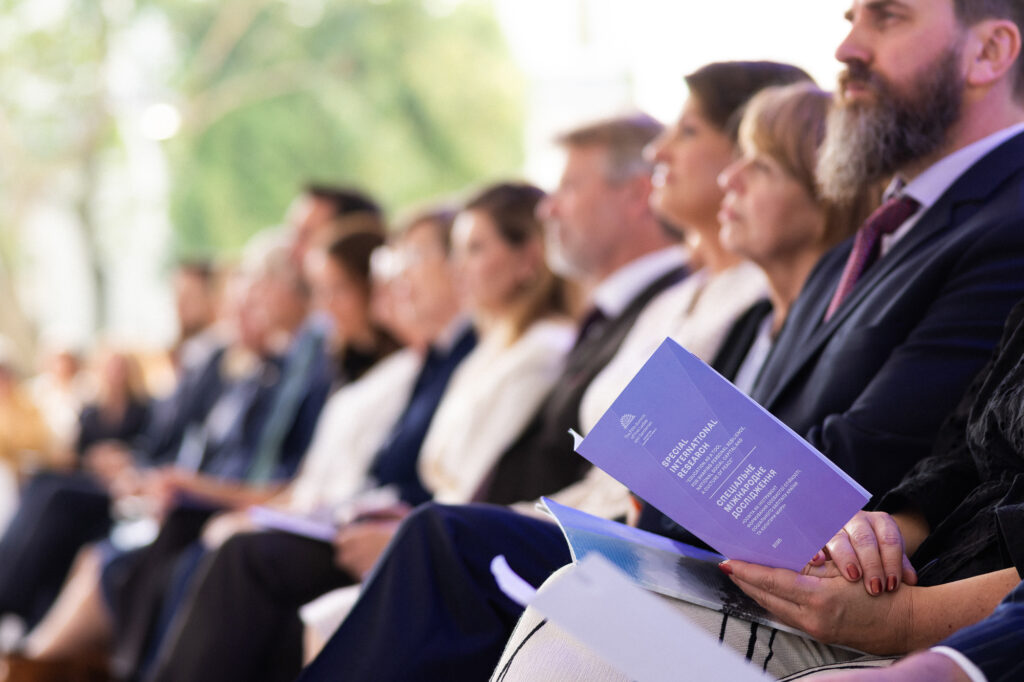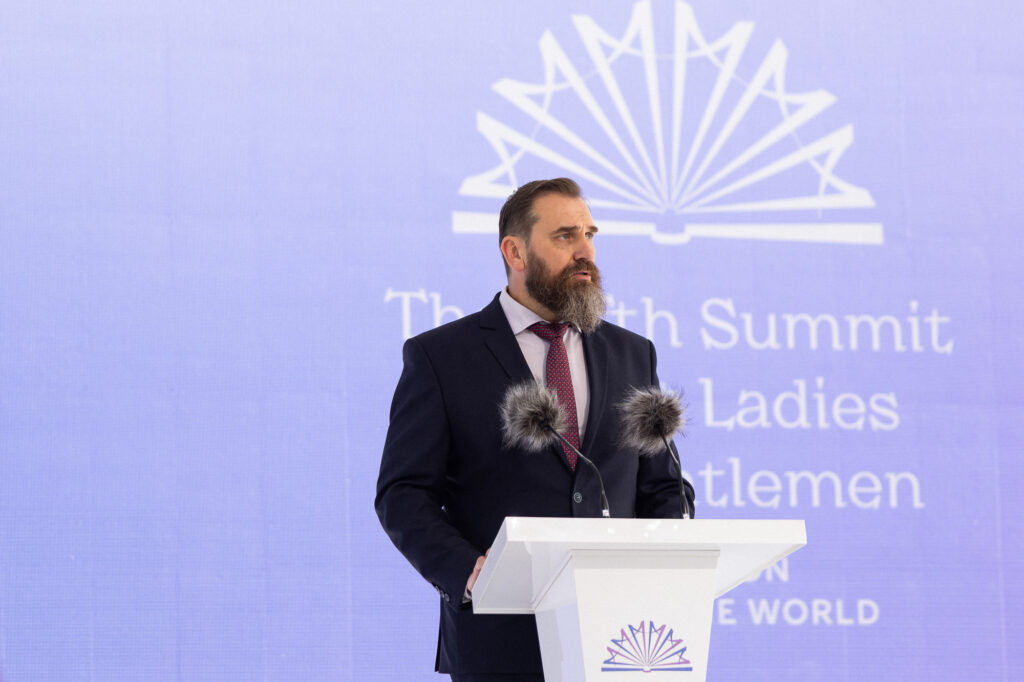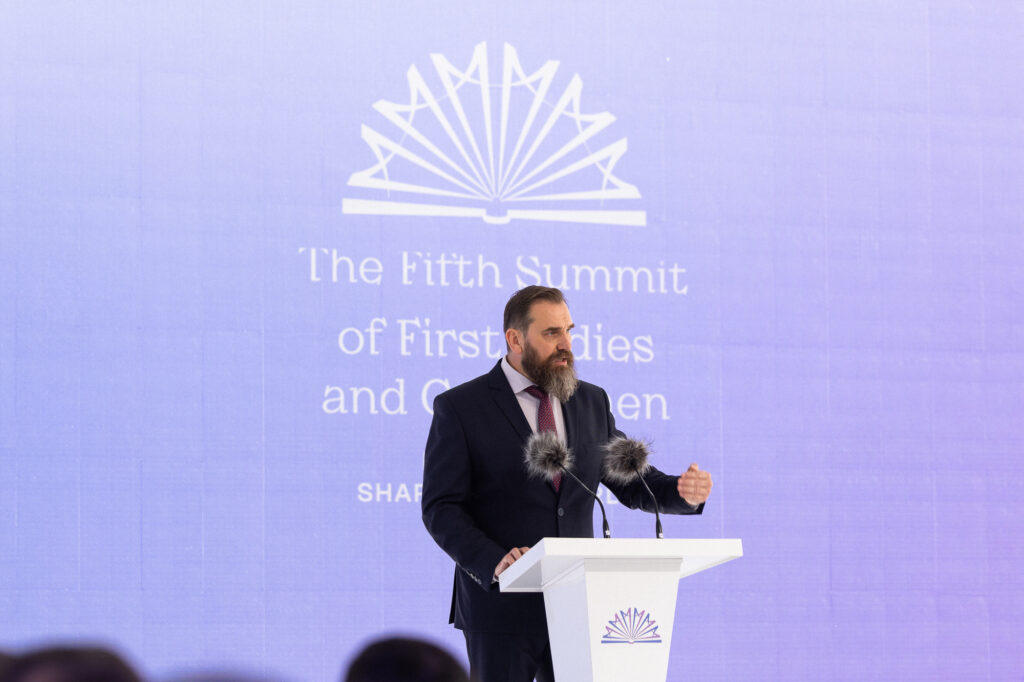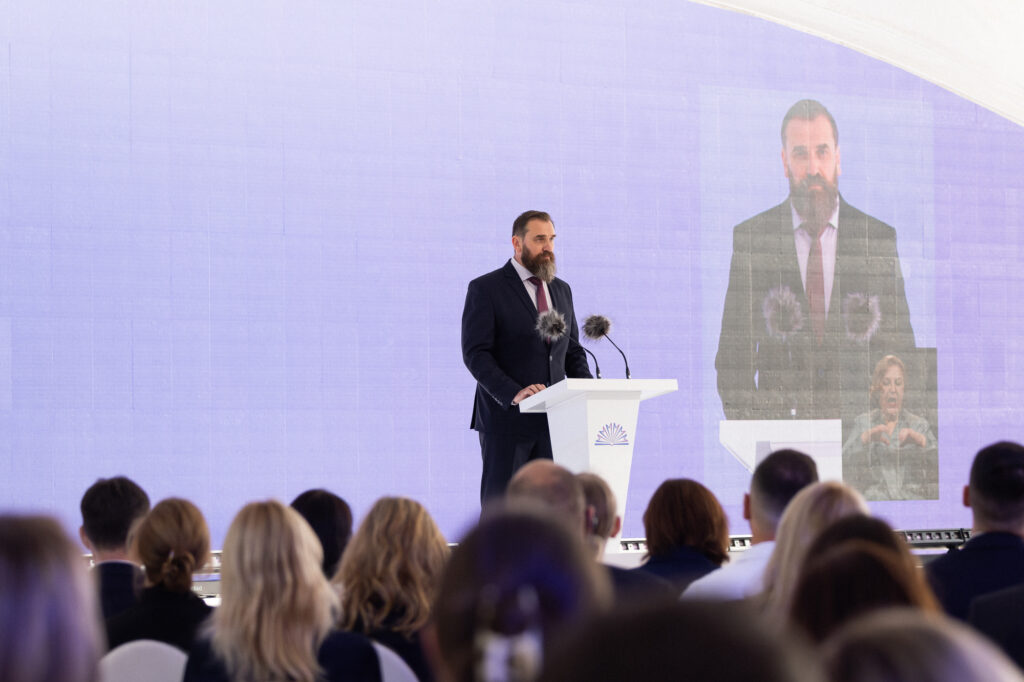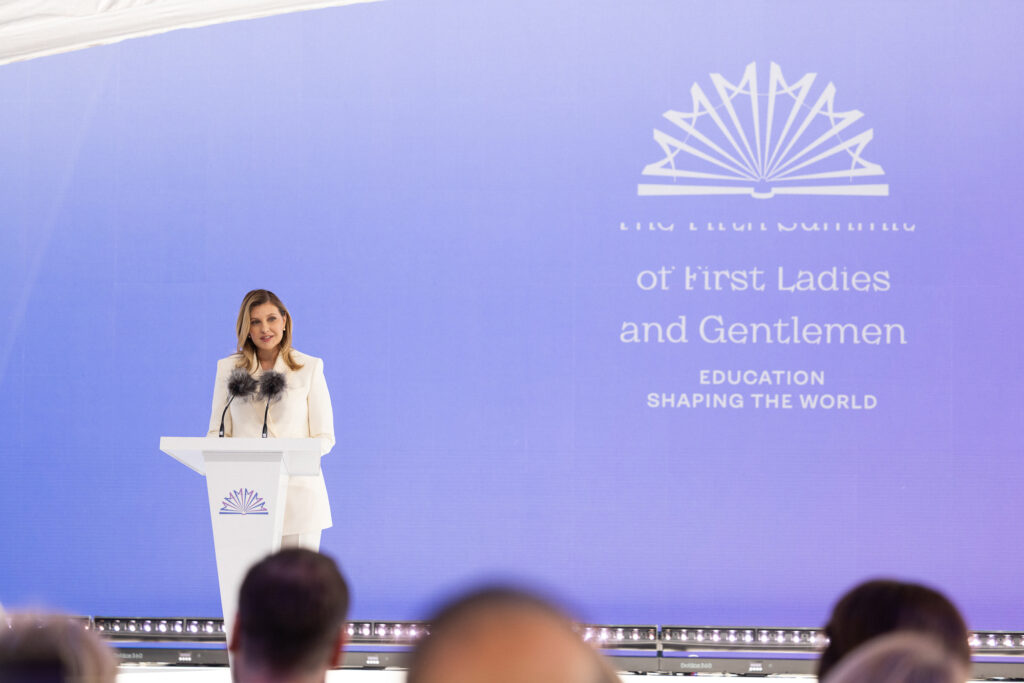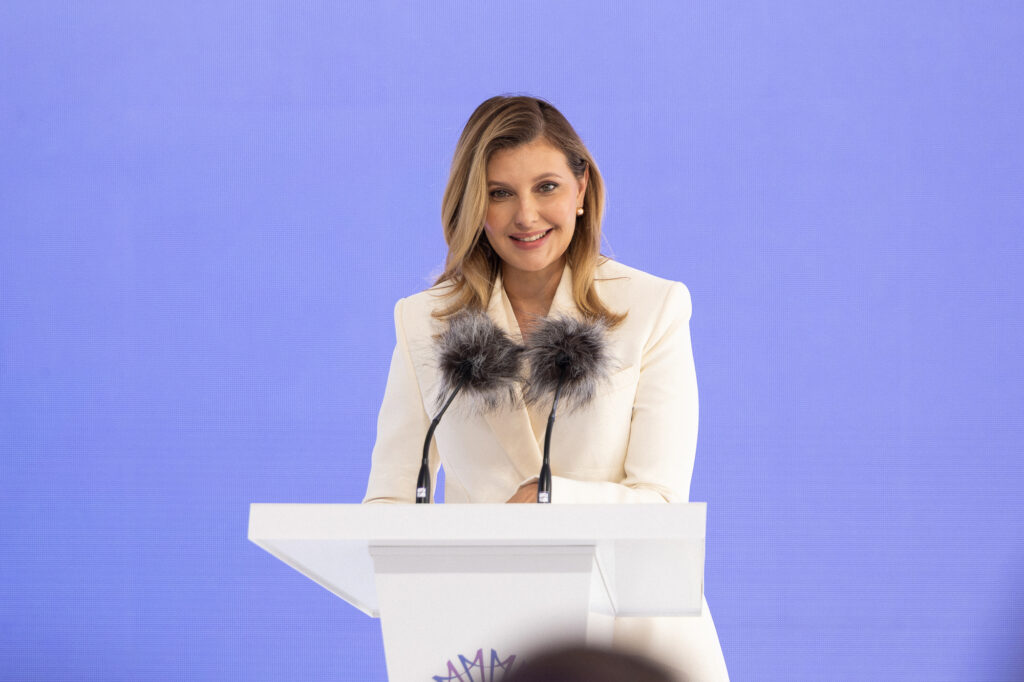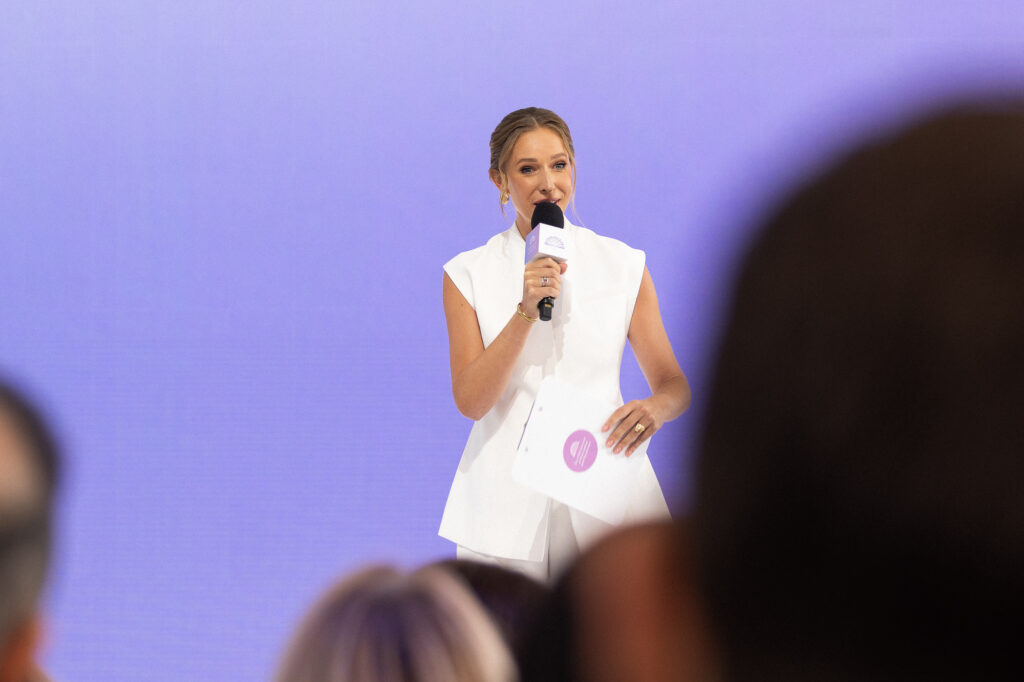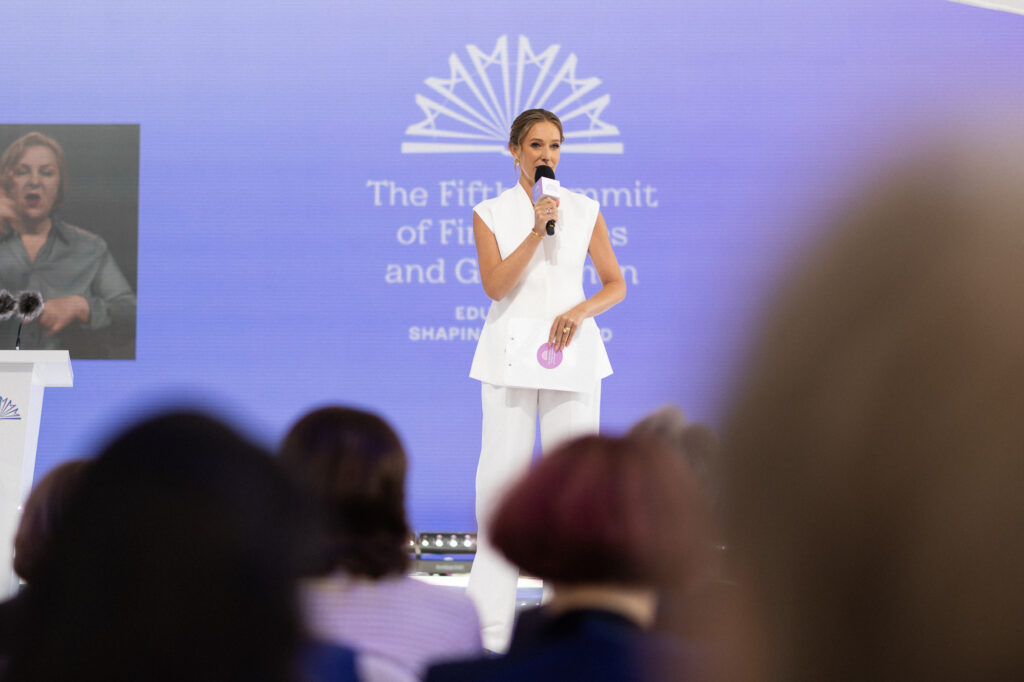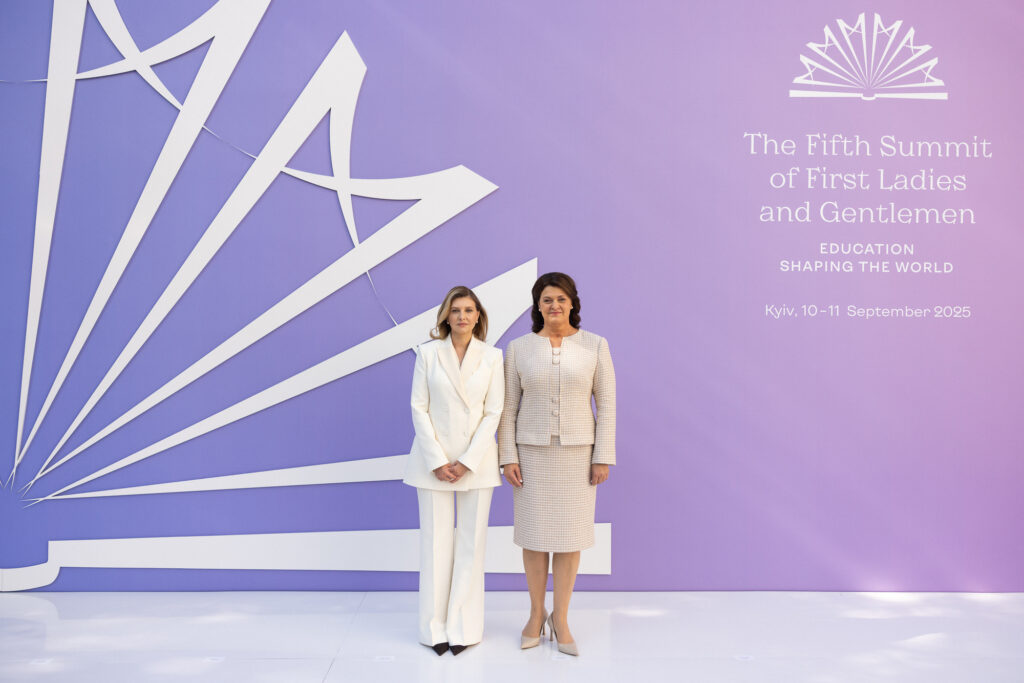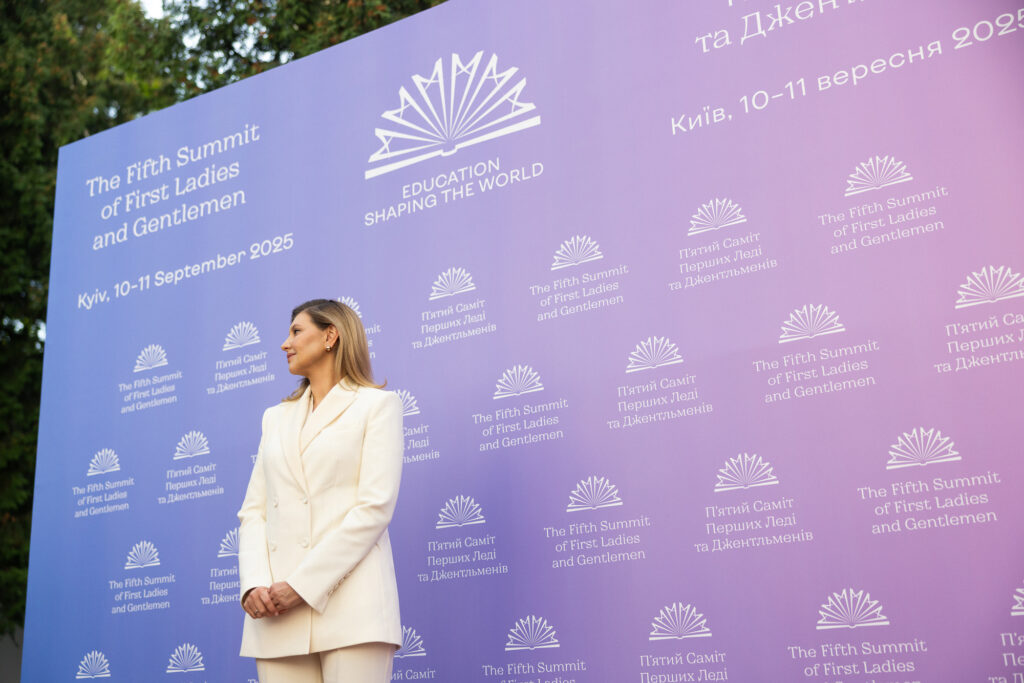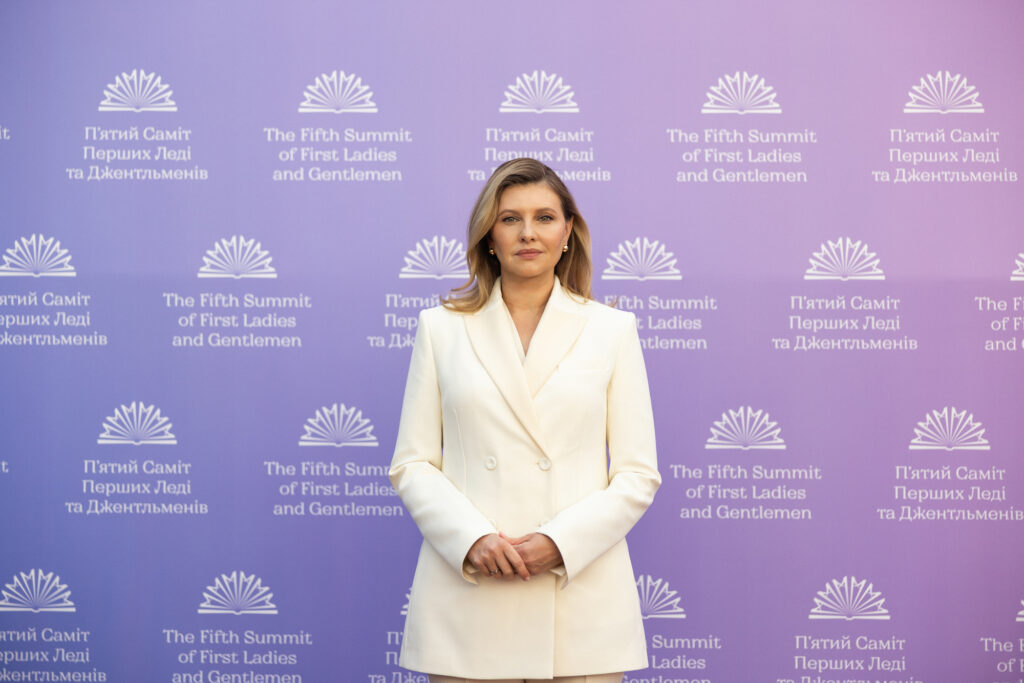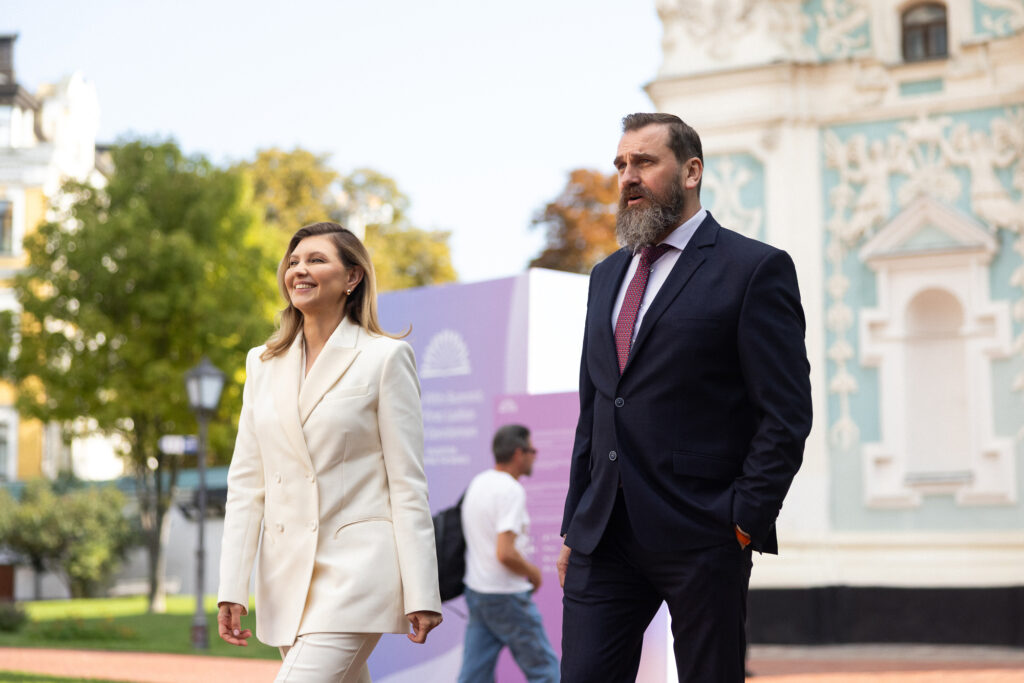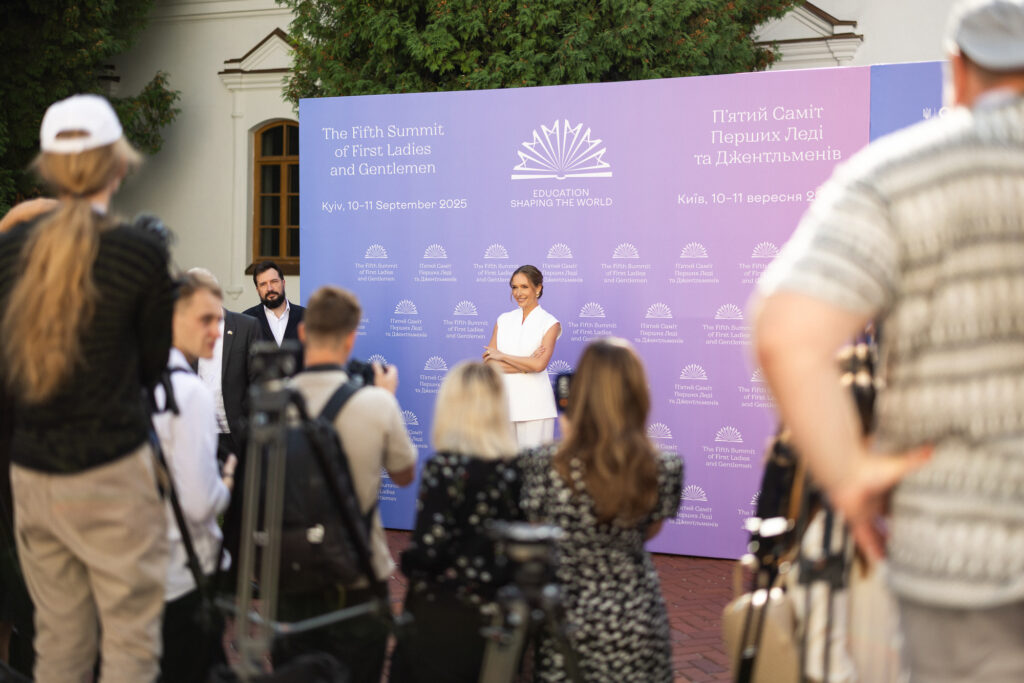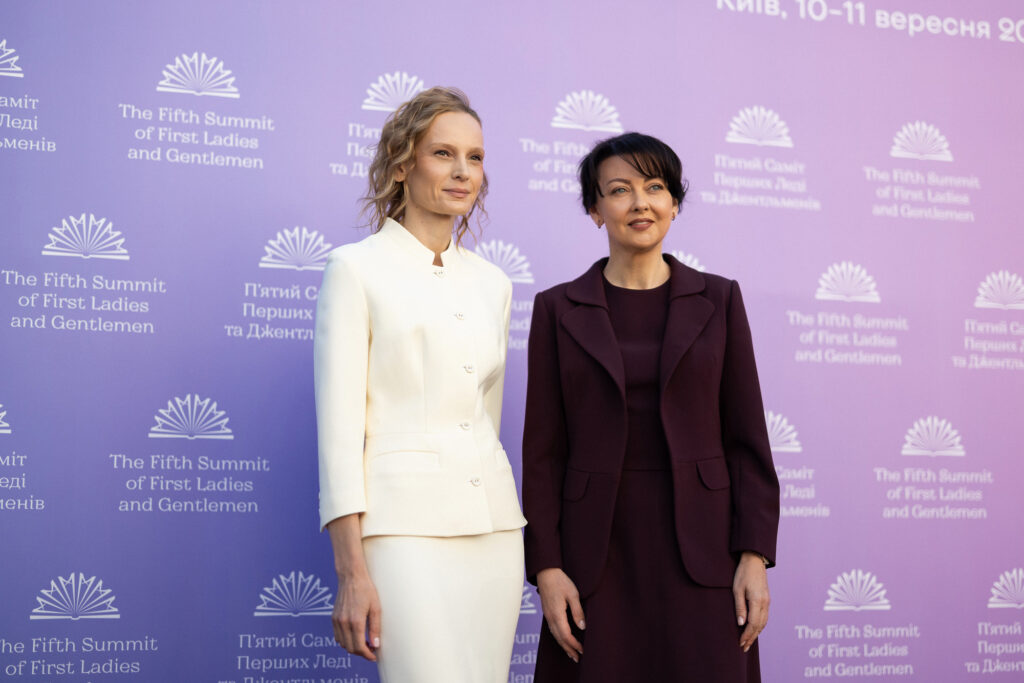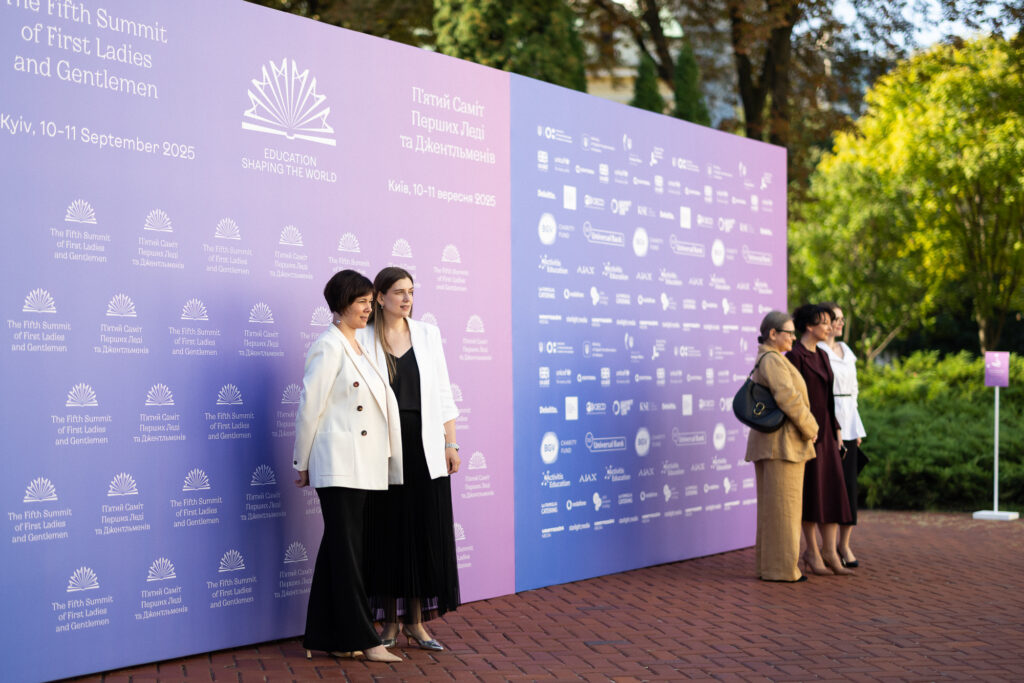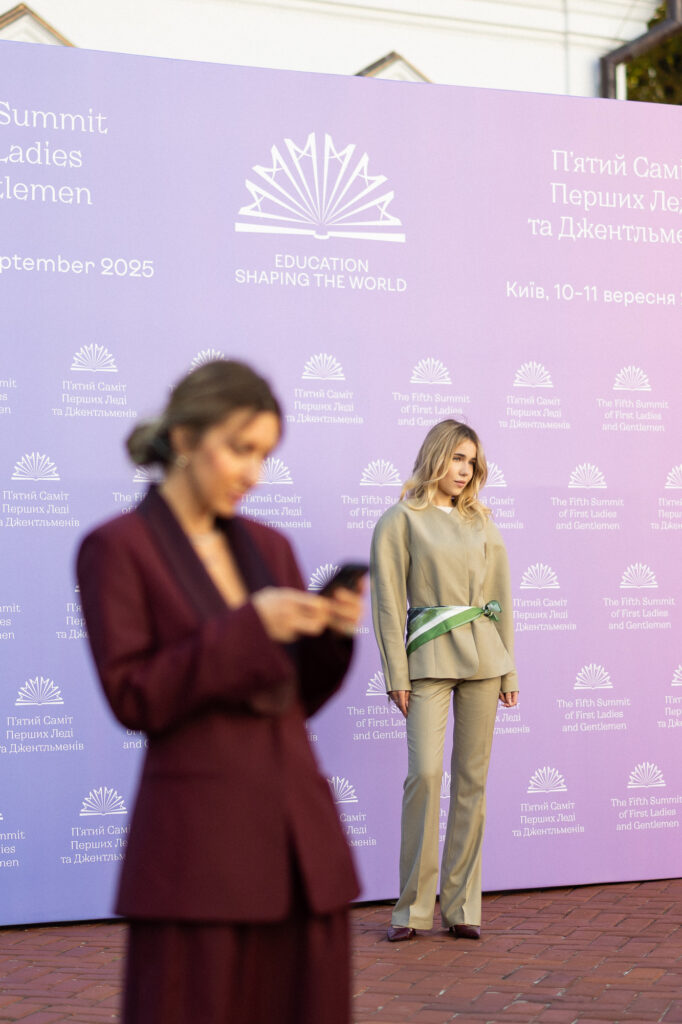
The Fifth Summit of First Ladies and Gentlemen
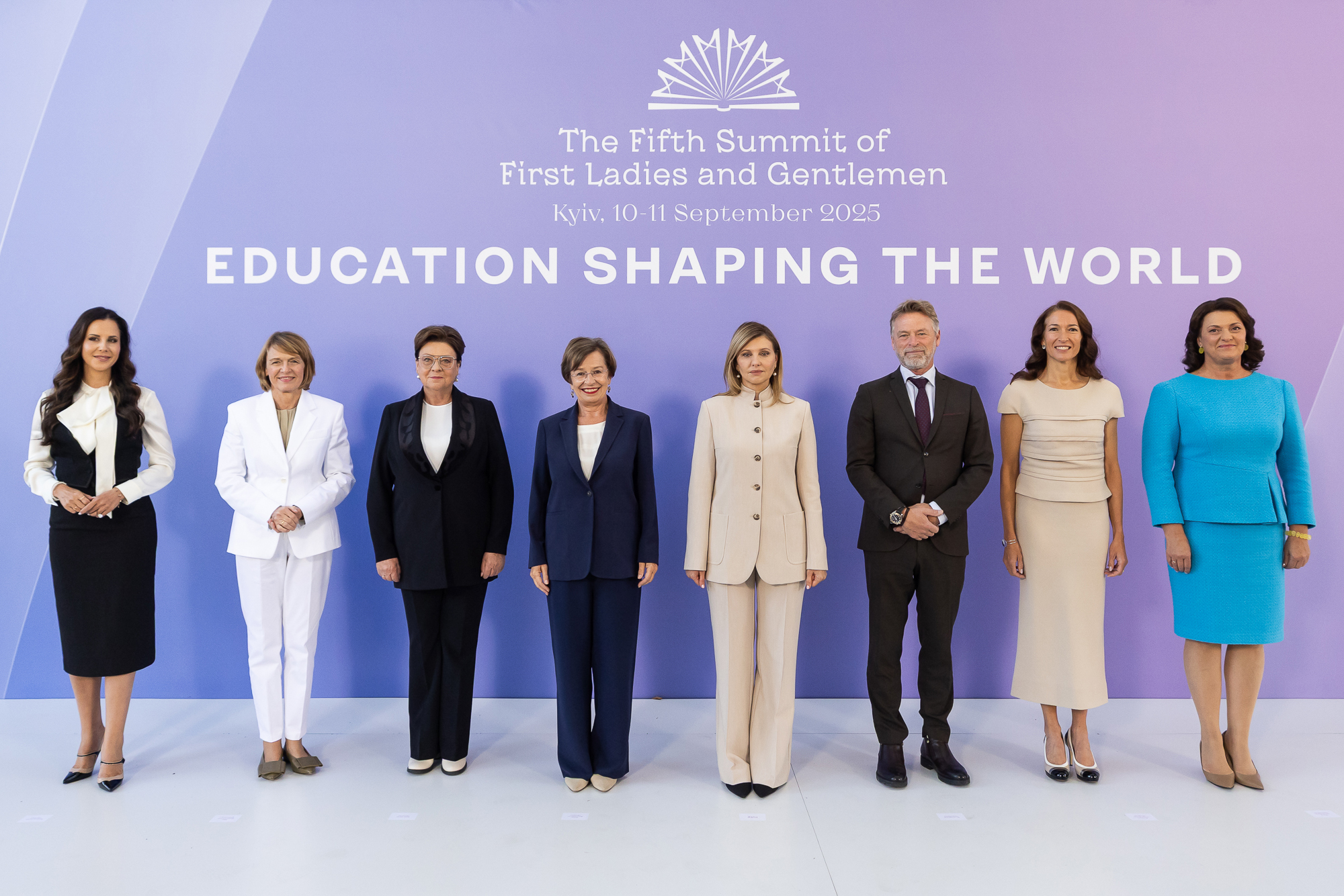
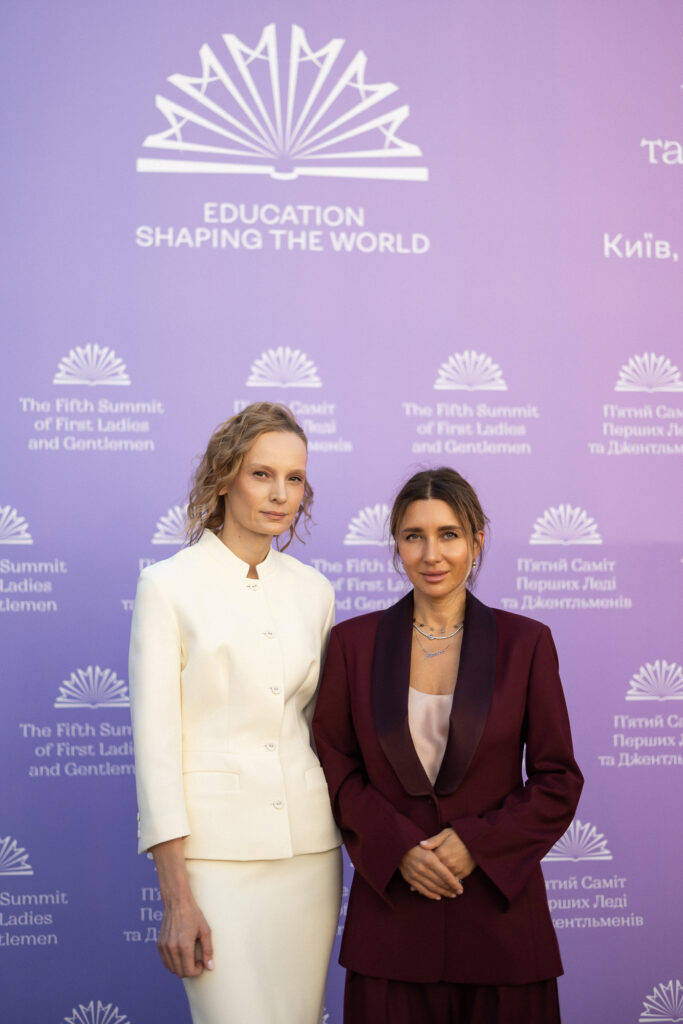
Theme of the Fifth Summit: ‘Education Shaping the World’
The Summit of First Ladies and Gentlemen is an international platform for dialogue and soft power that brings together First Ladies and Gentlemen from different countries around the world.
Education is not only a basic need or a right — it is the foundation of peace, sustainable development, equality, and global cooperation. In times when the world is experiencing waves of geopolitical instability, conflict, and transformation, education remains the only universal tool capable of shaping the mindsets of generations, building resilient societies, and preventing wars.
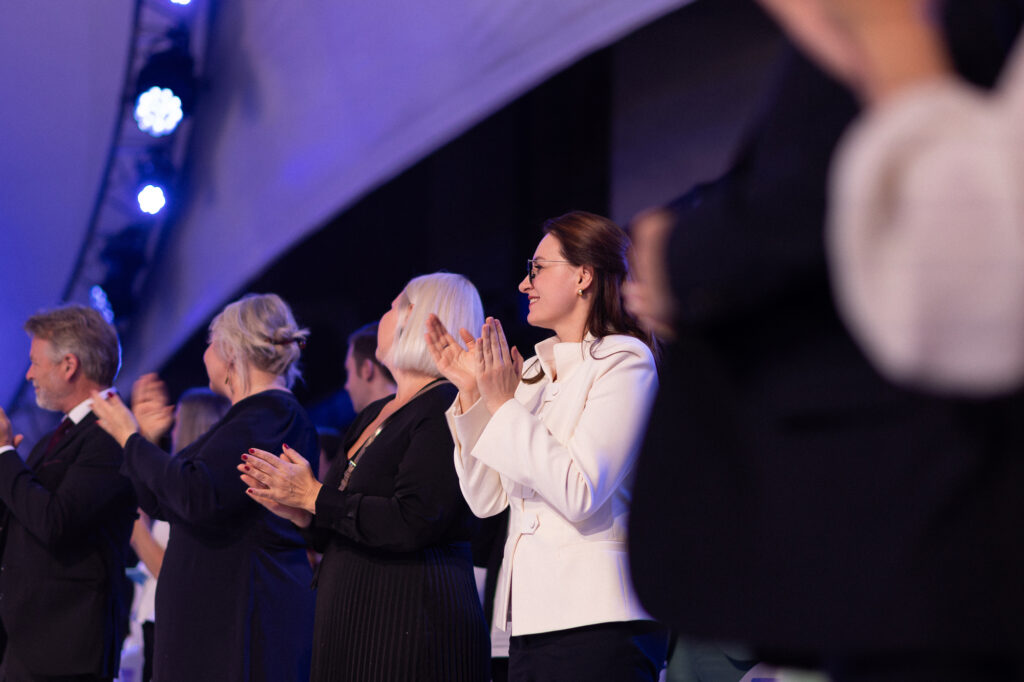
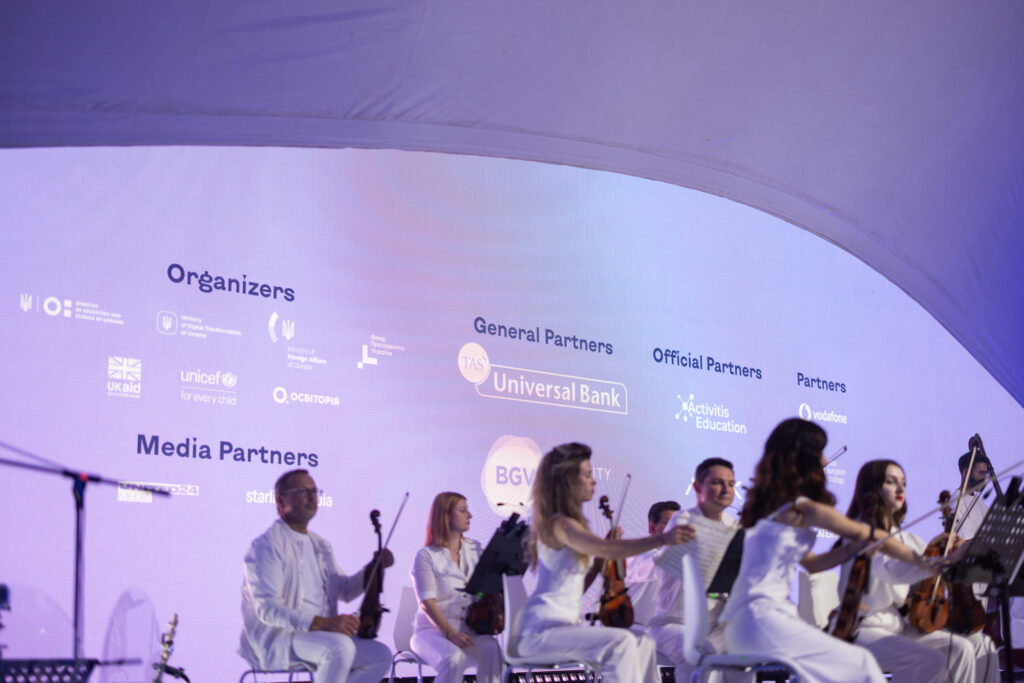
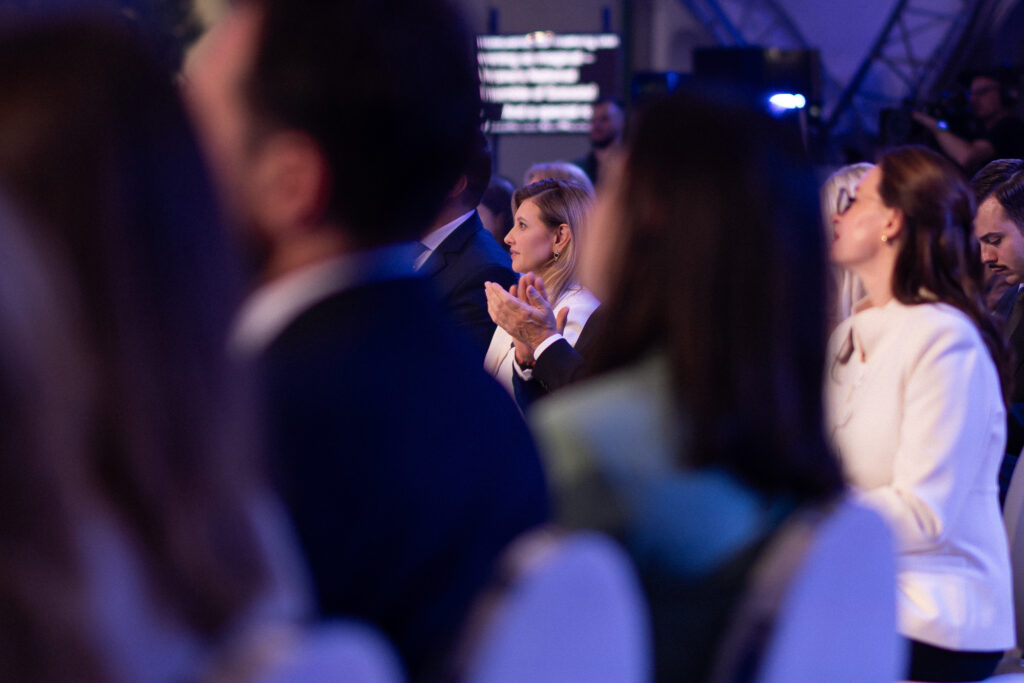
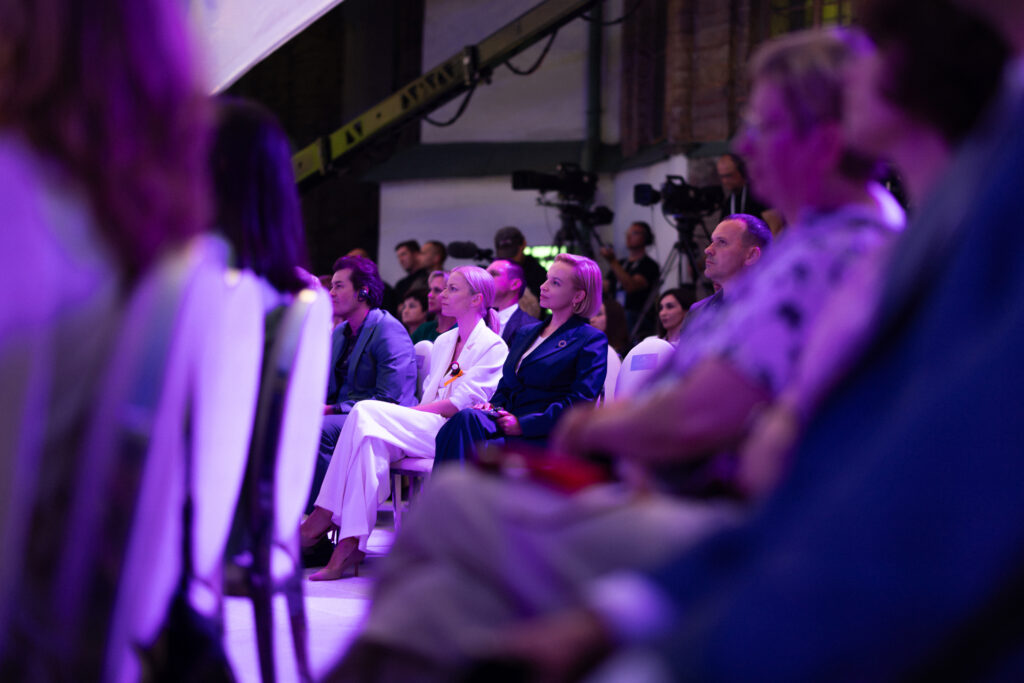
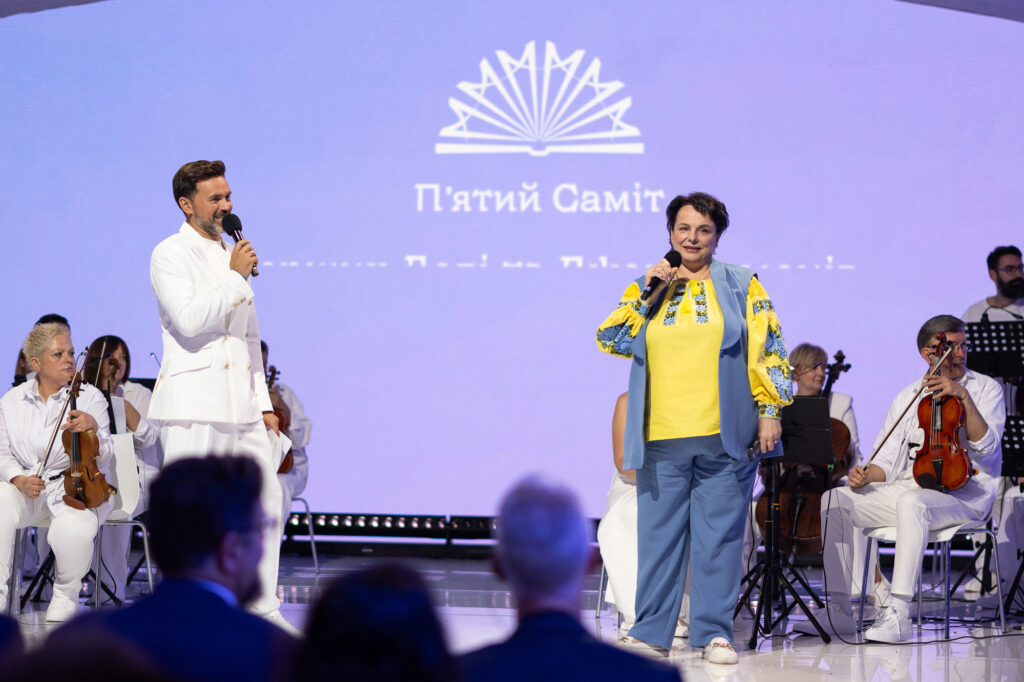
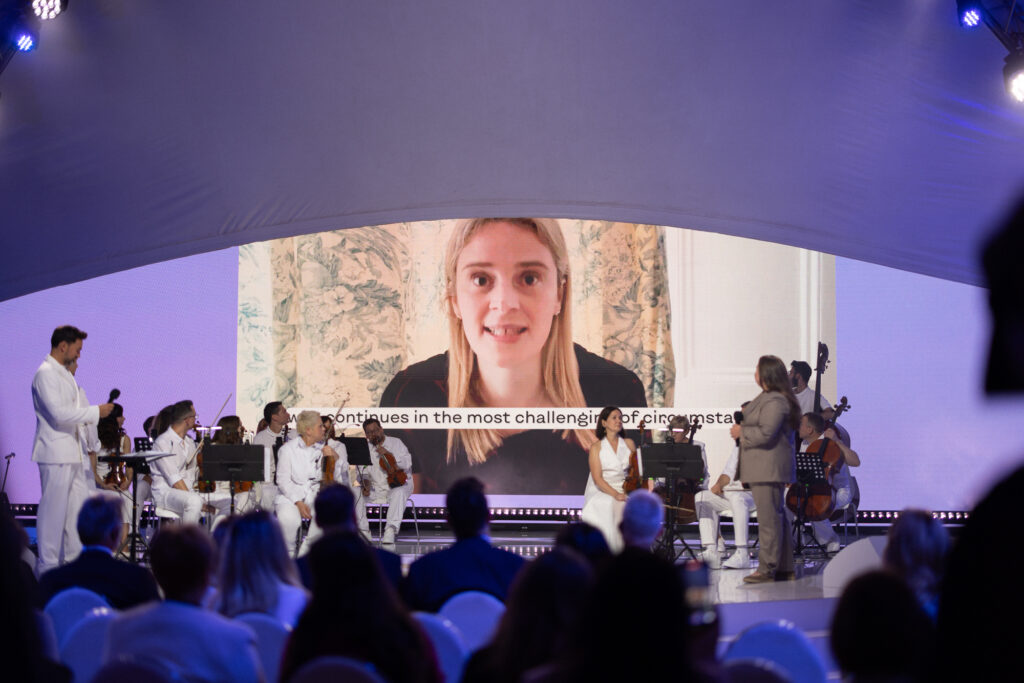
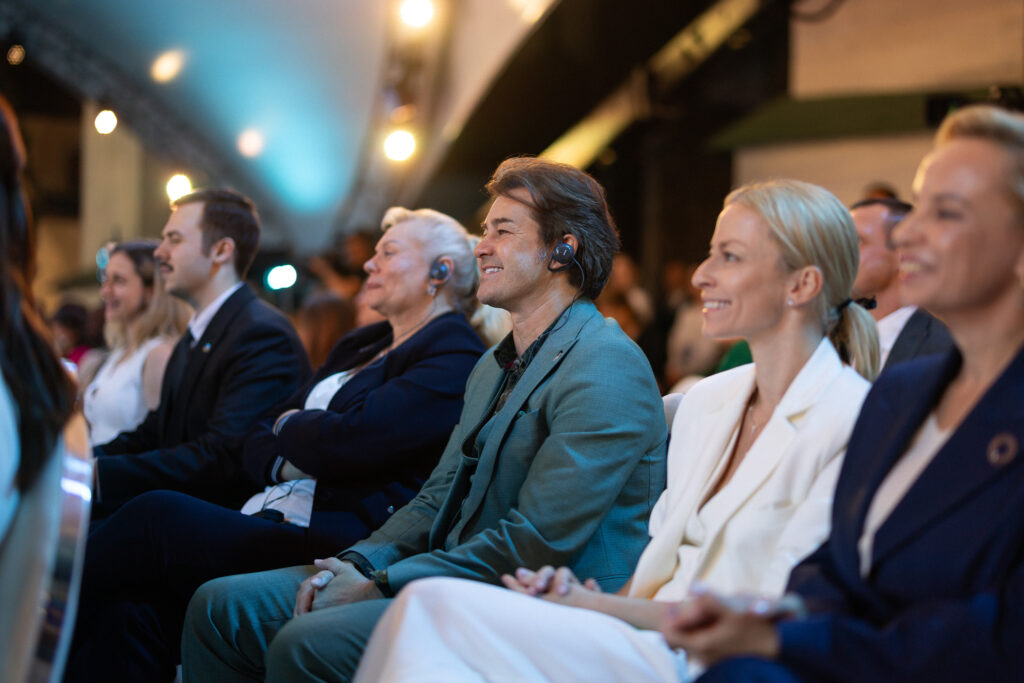
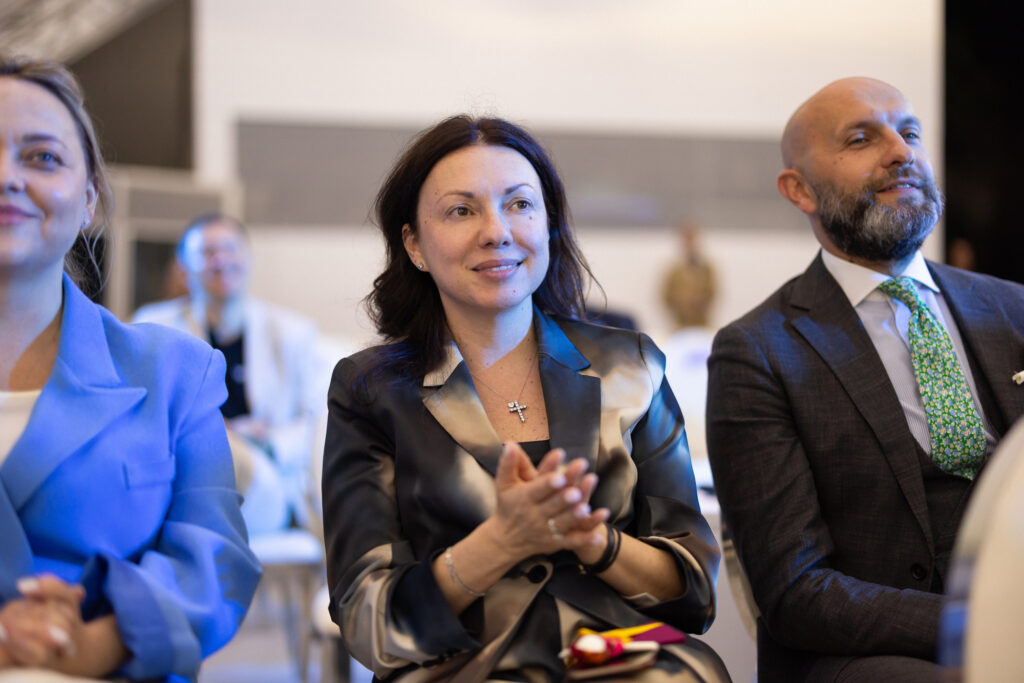
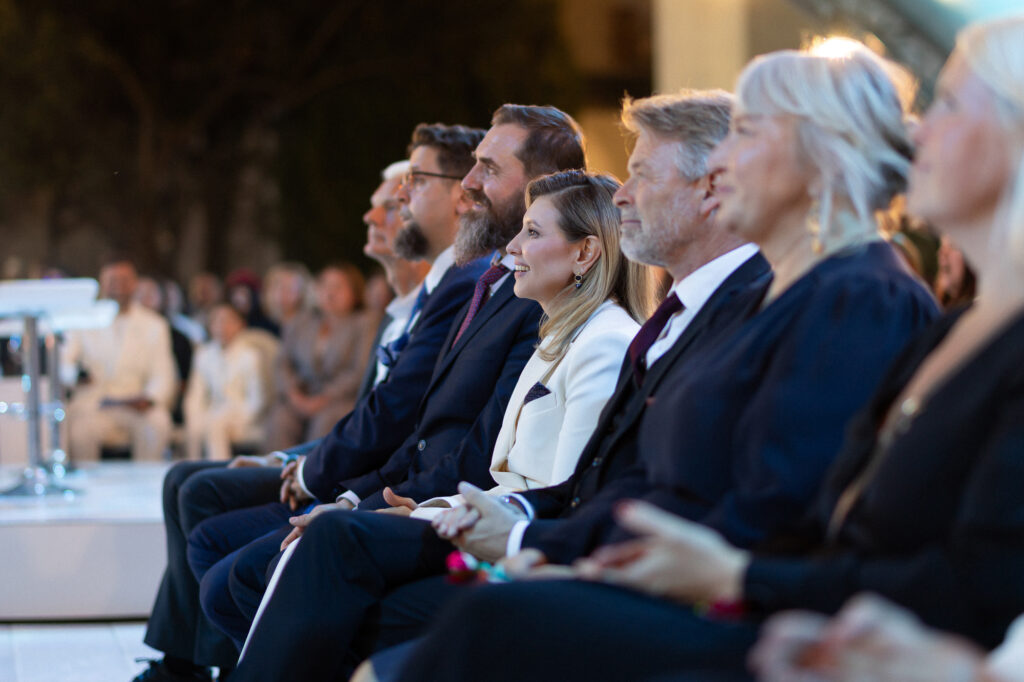
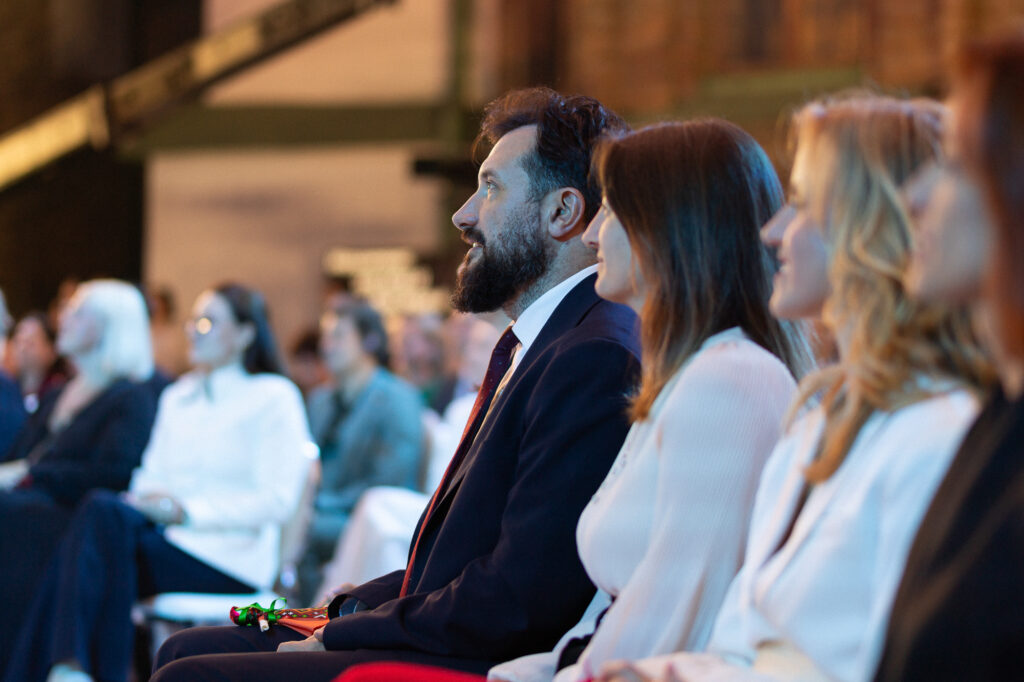
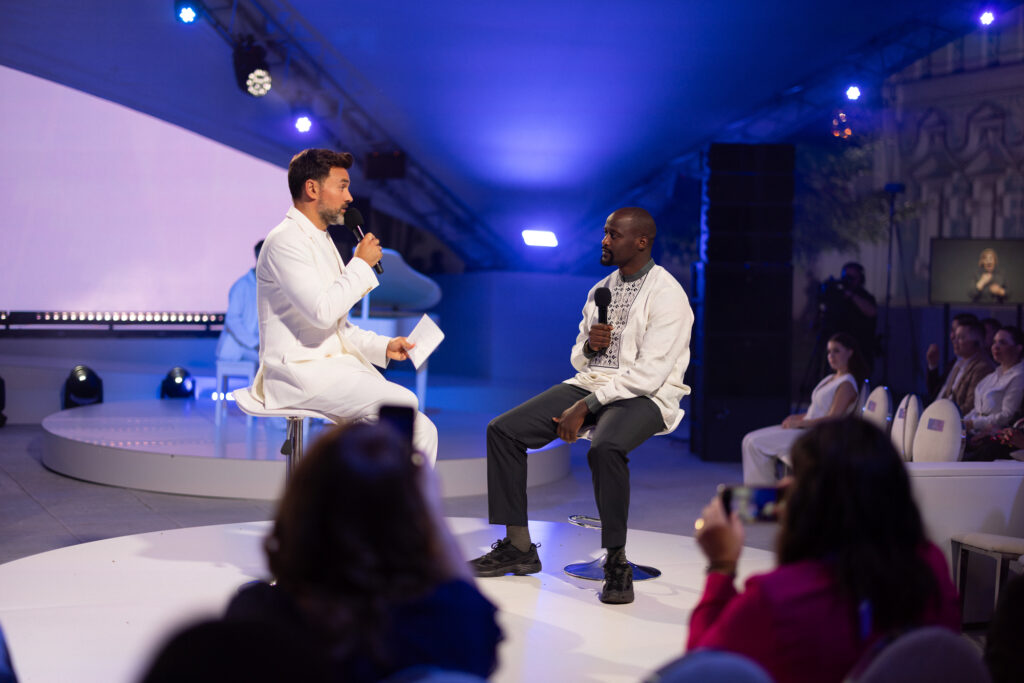
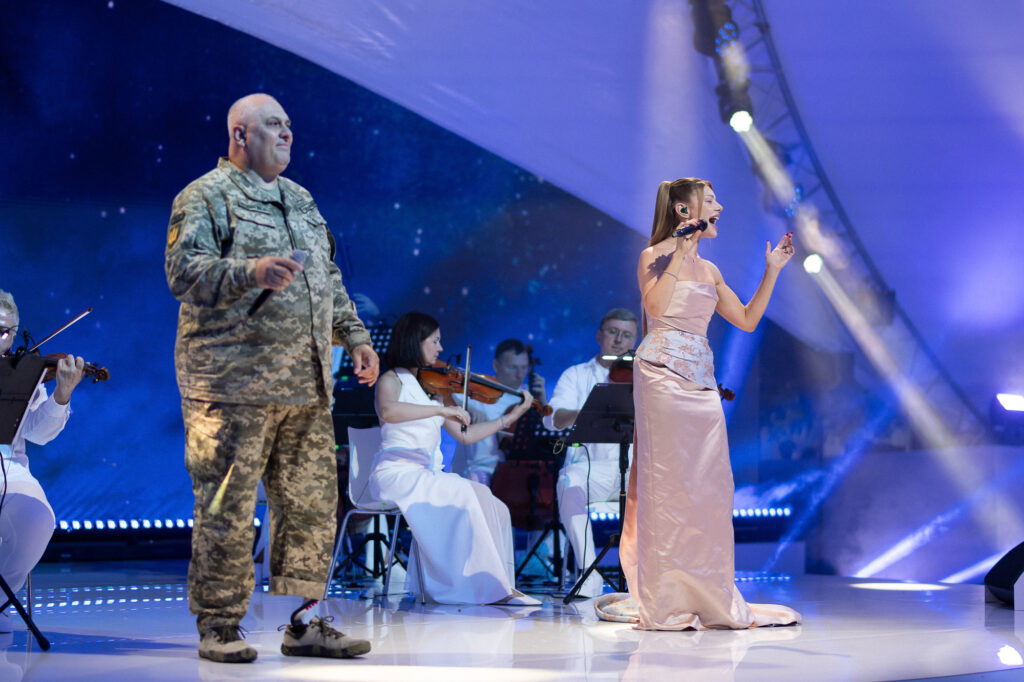
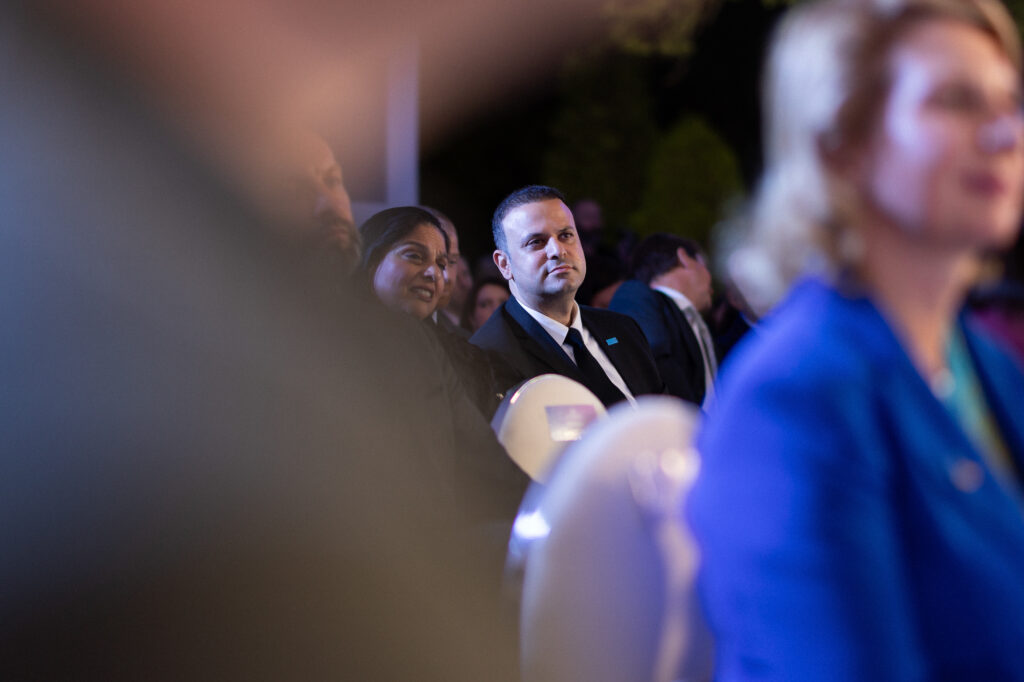
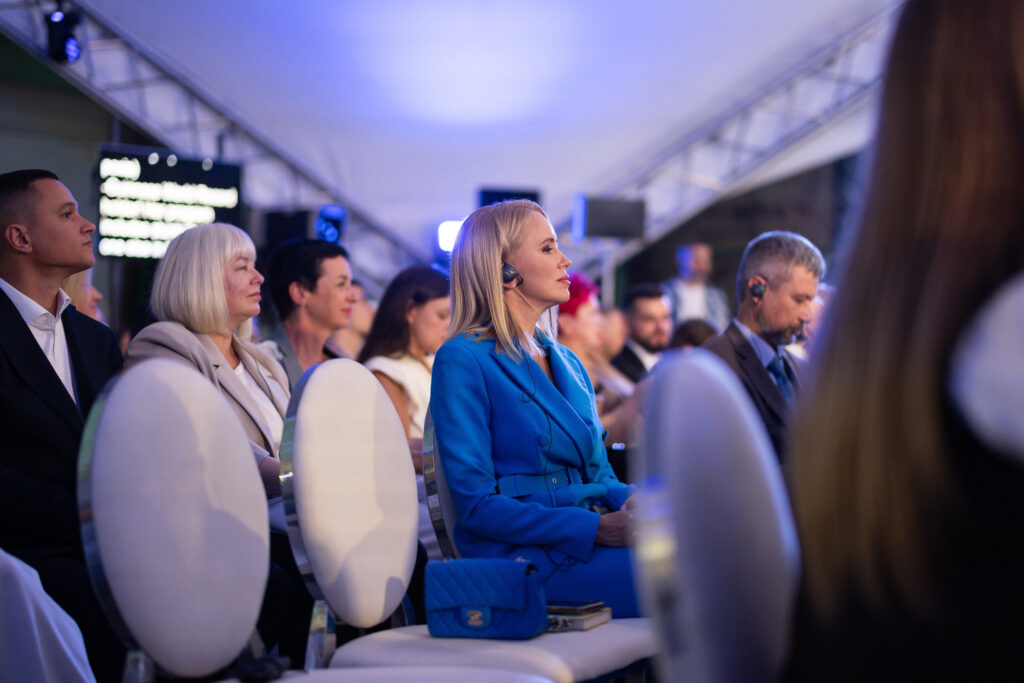
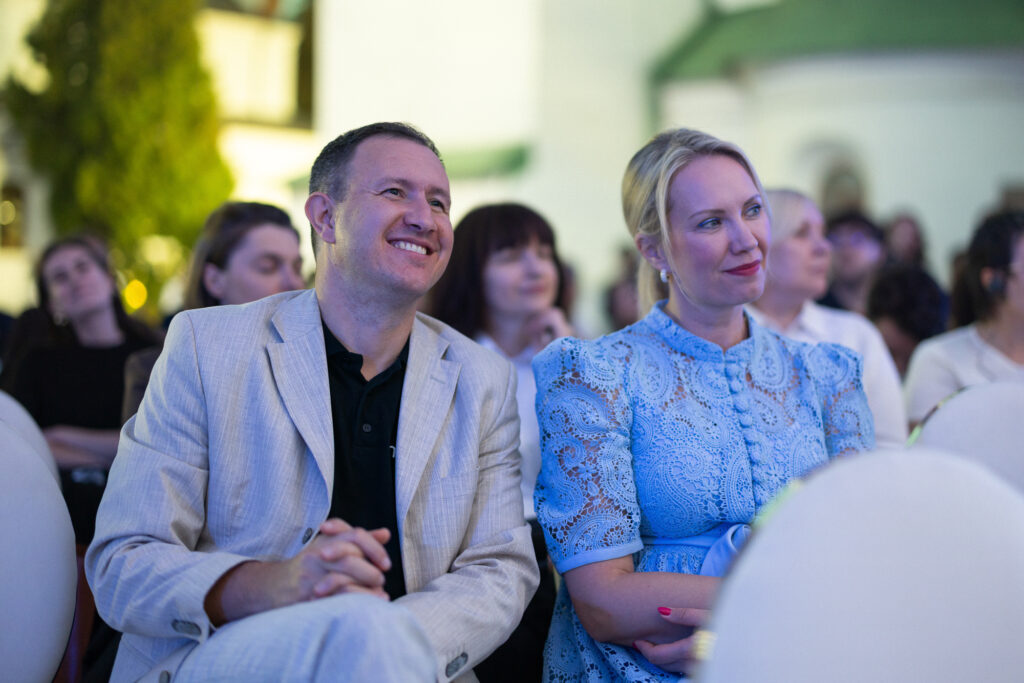
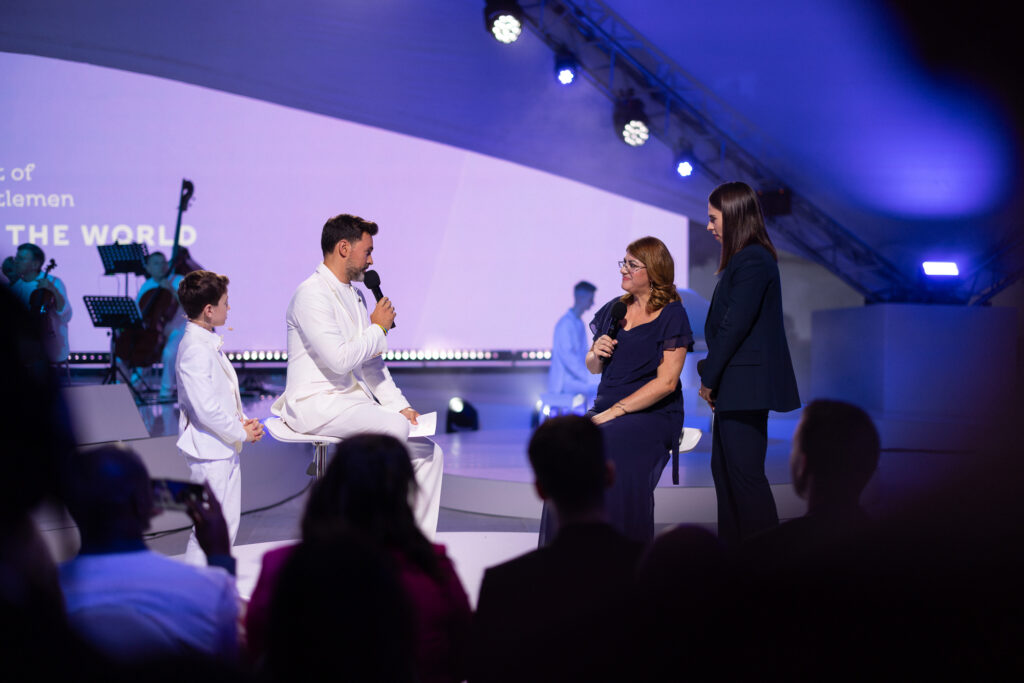
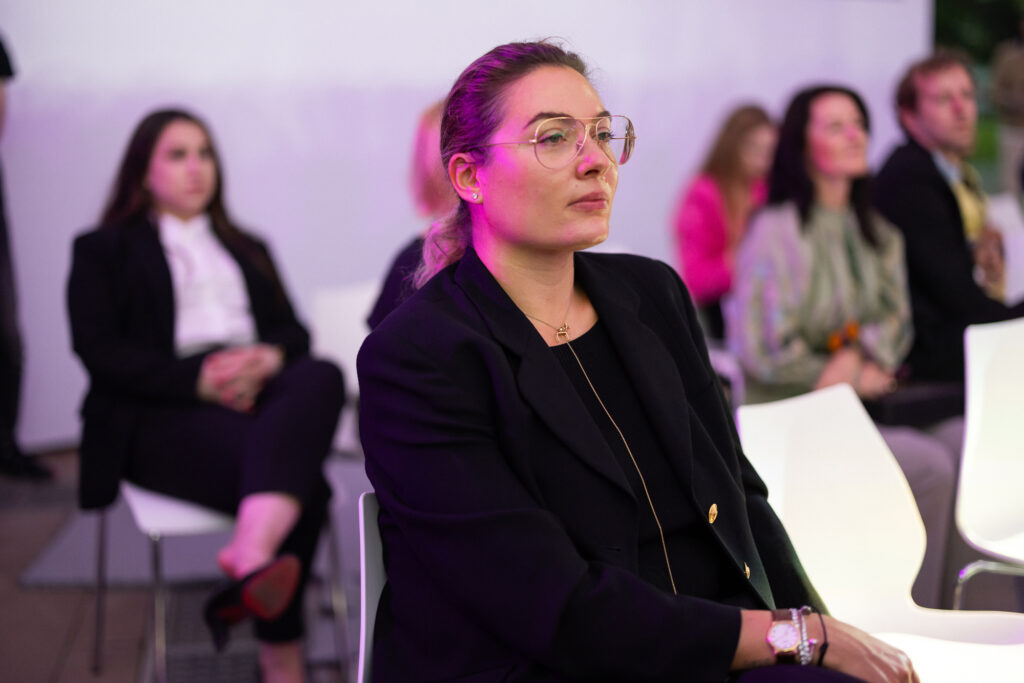
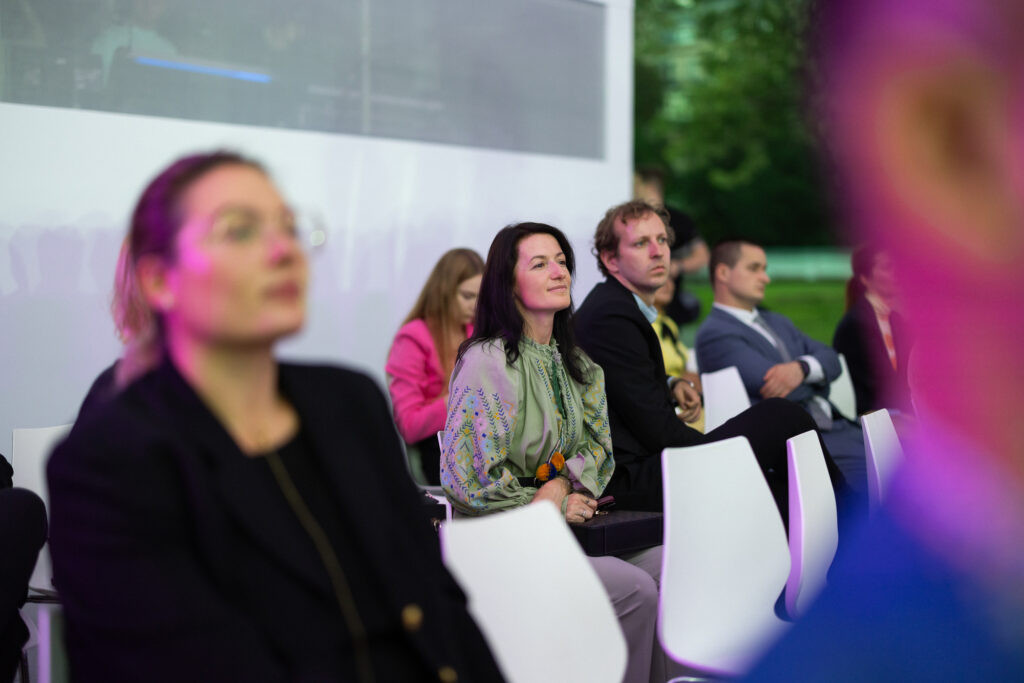
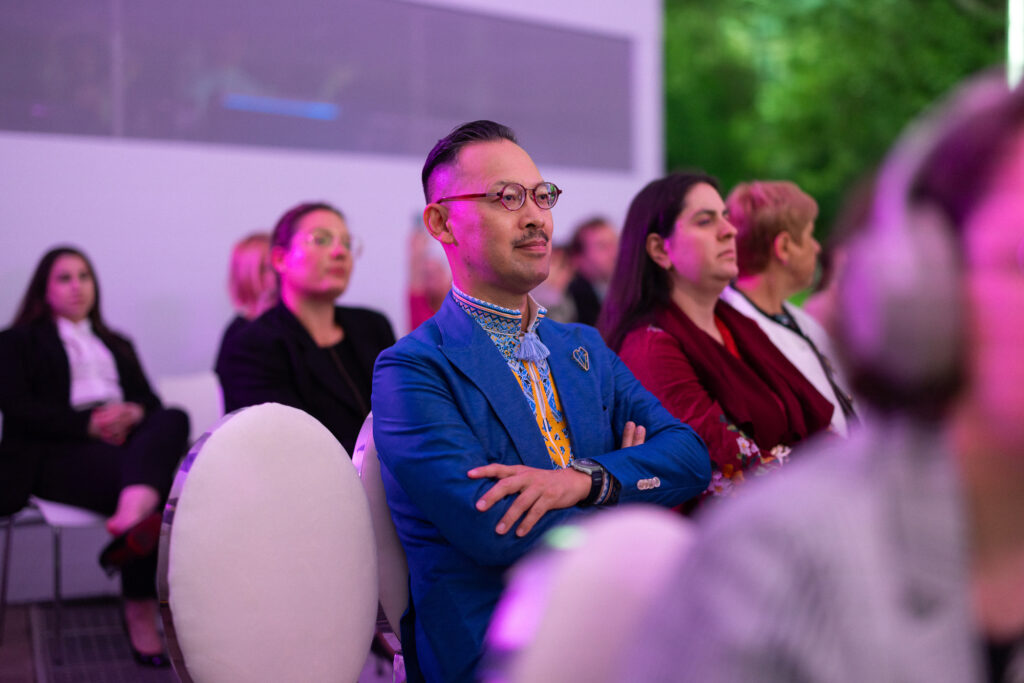
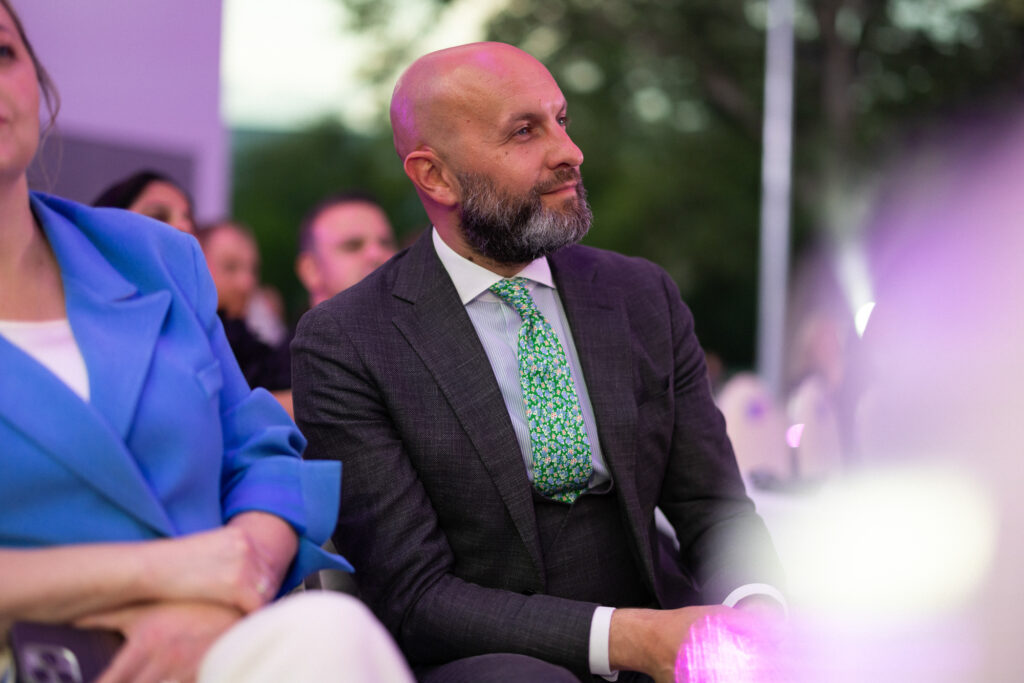
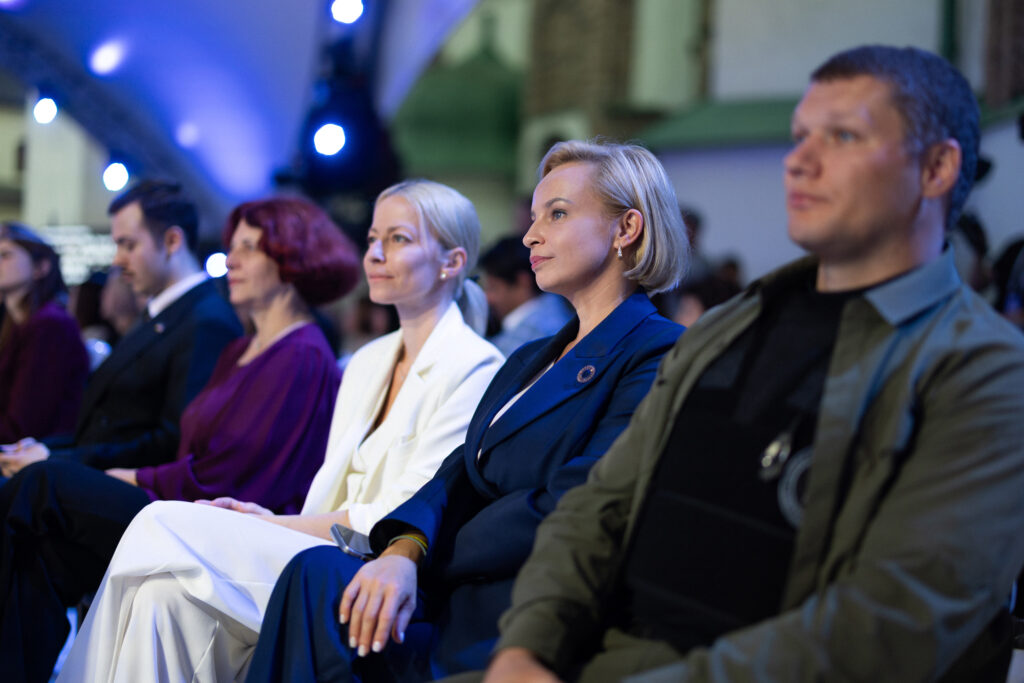
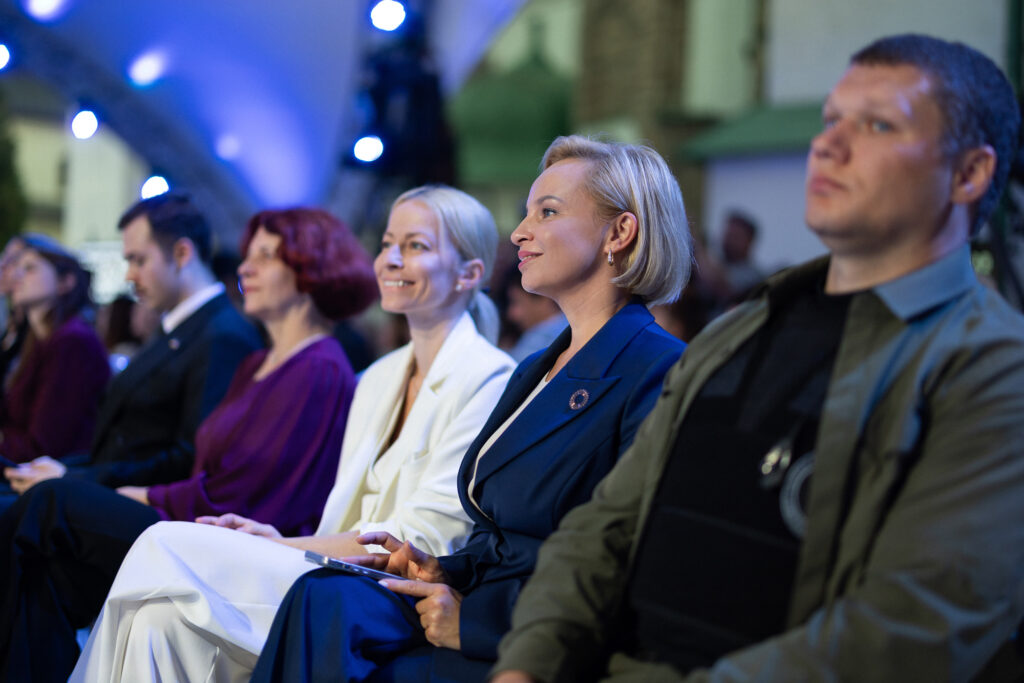
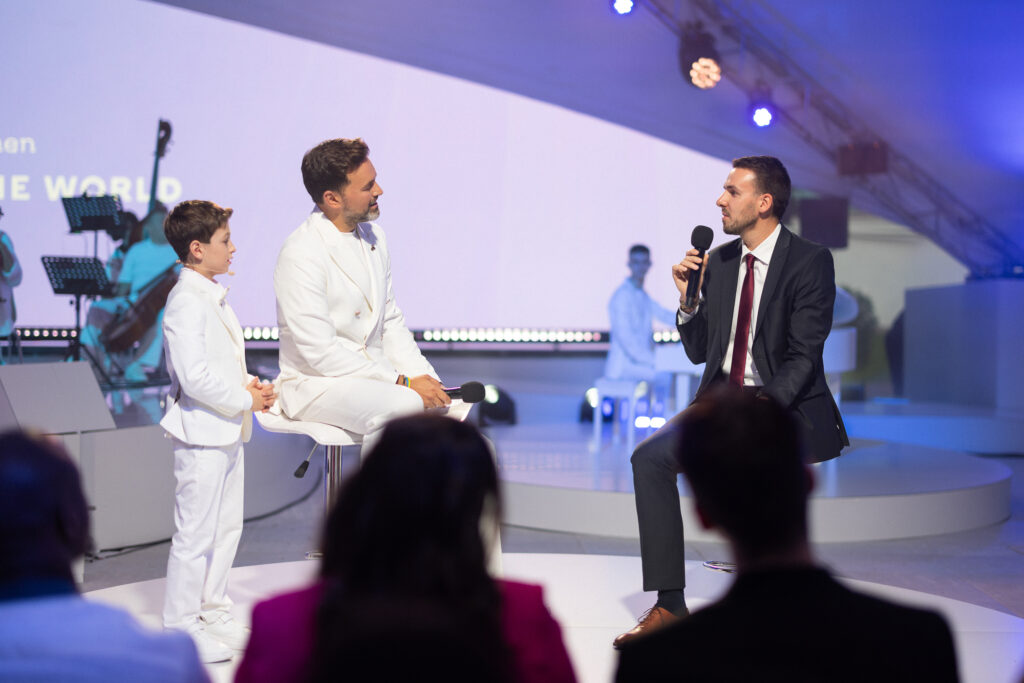
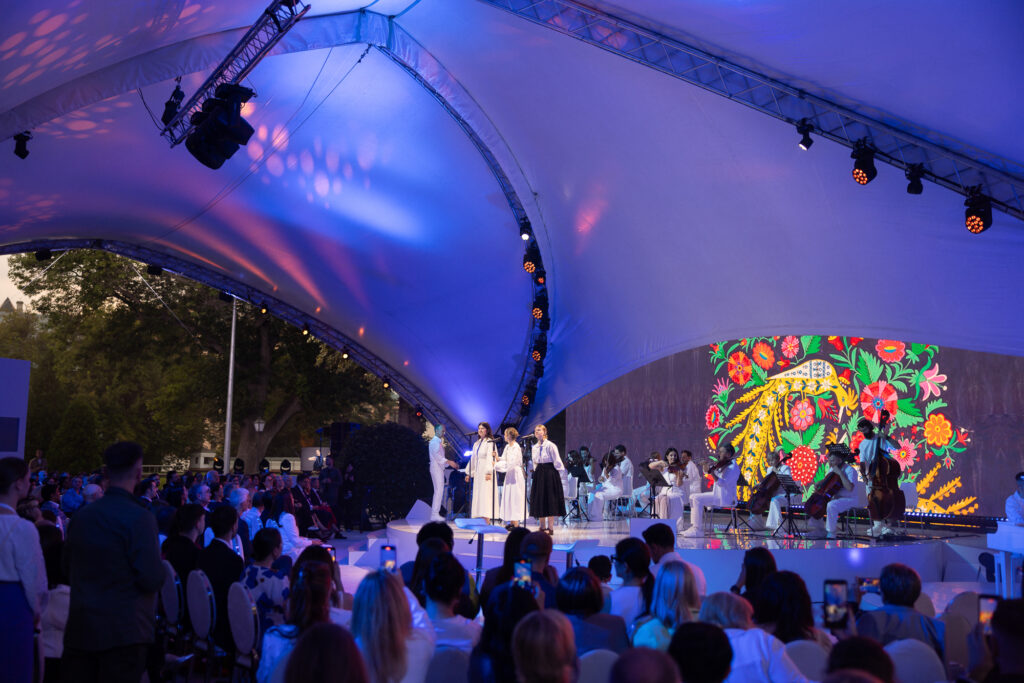
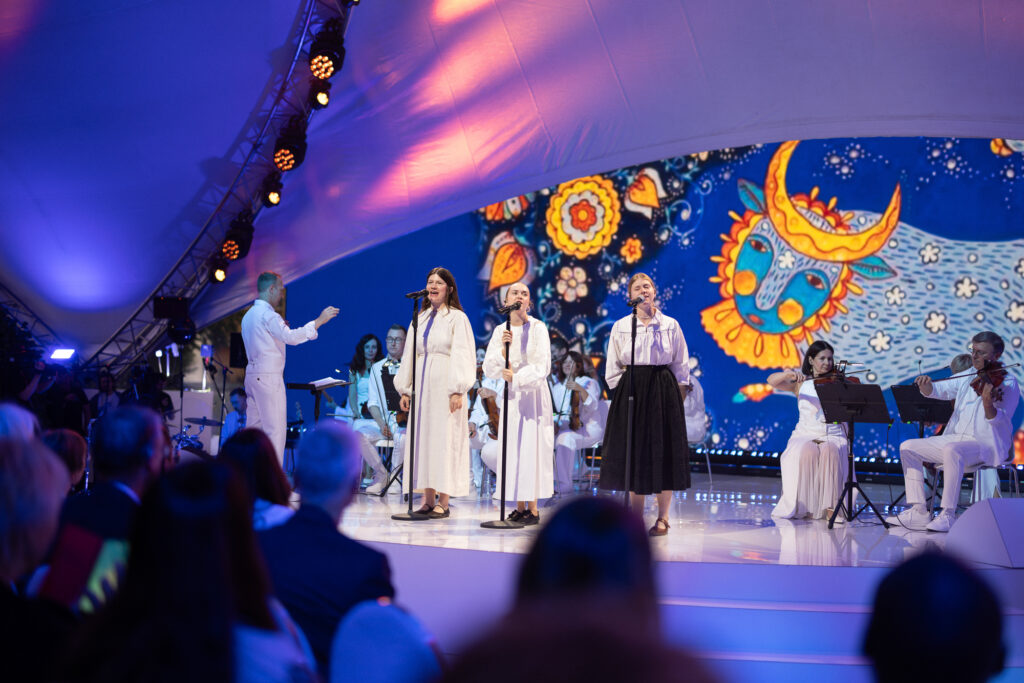
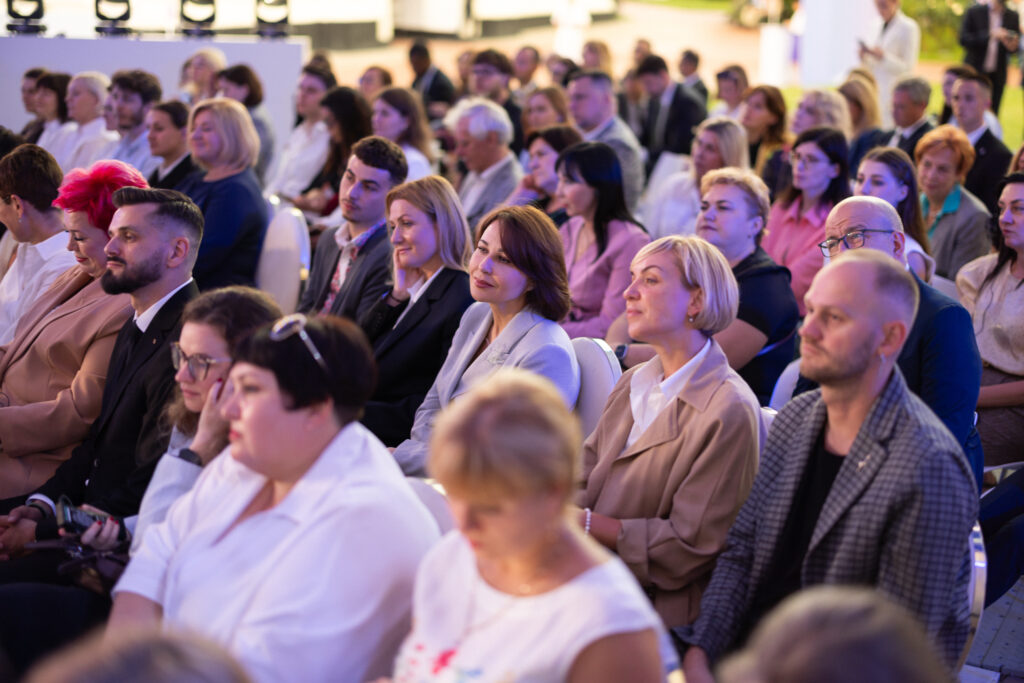
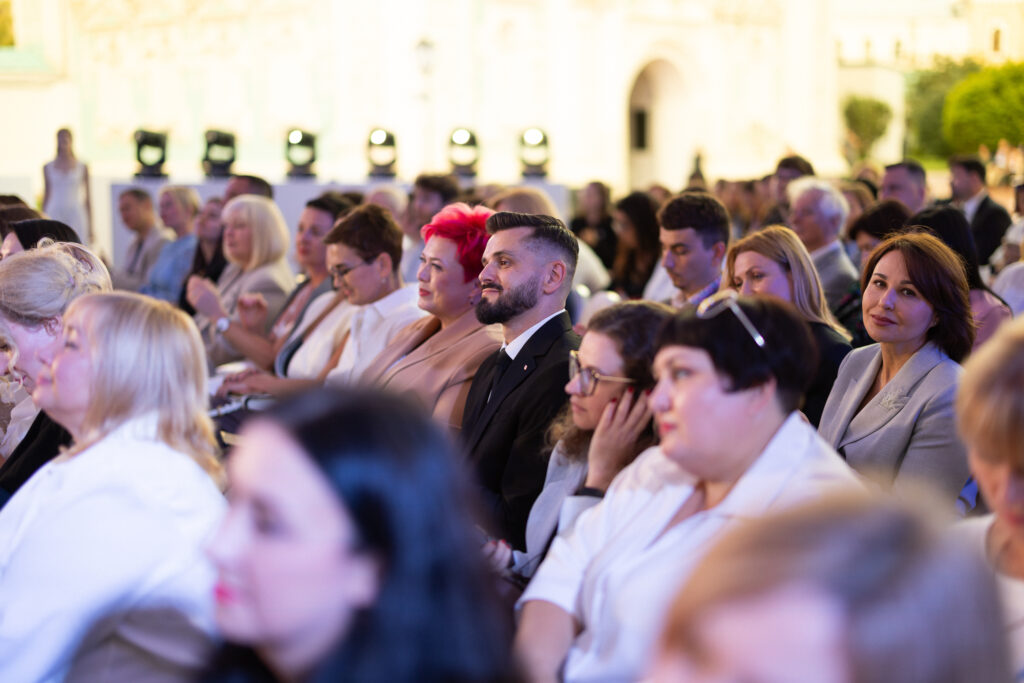
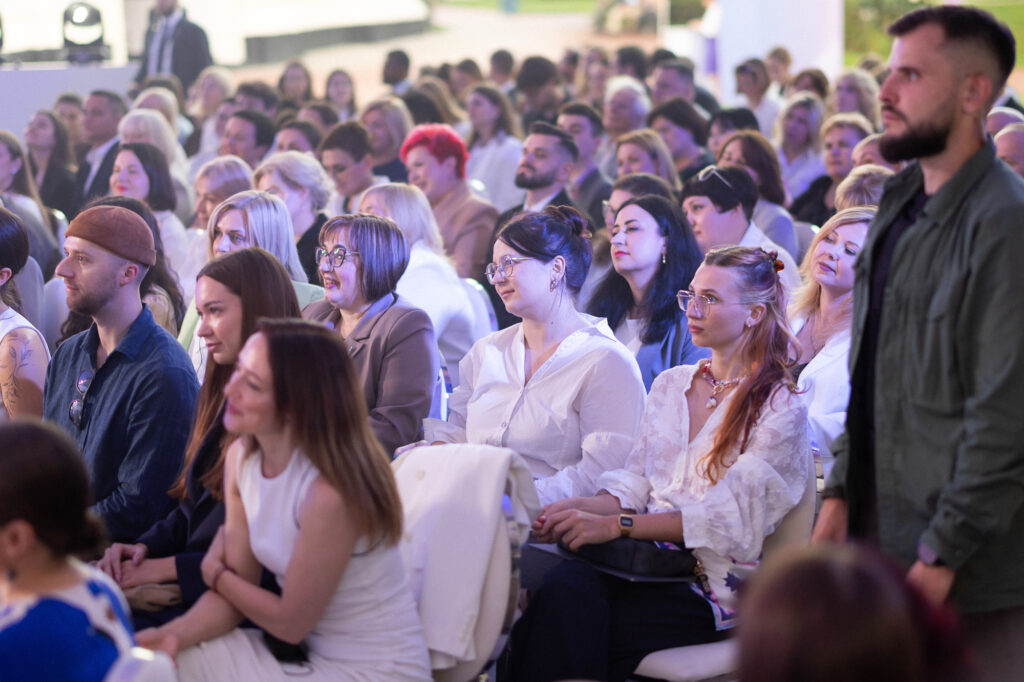
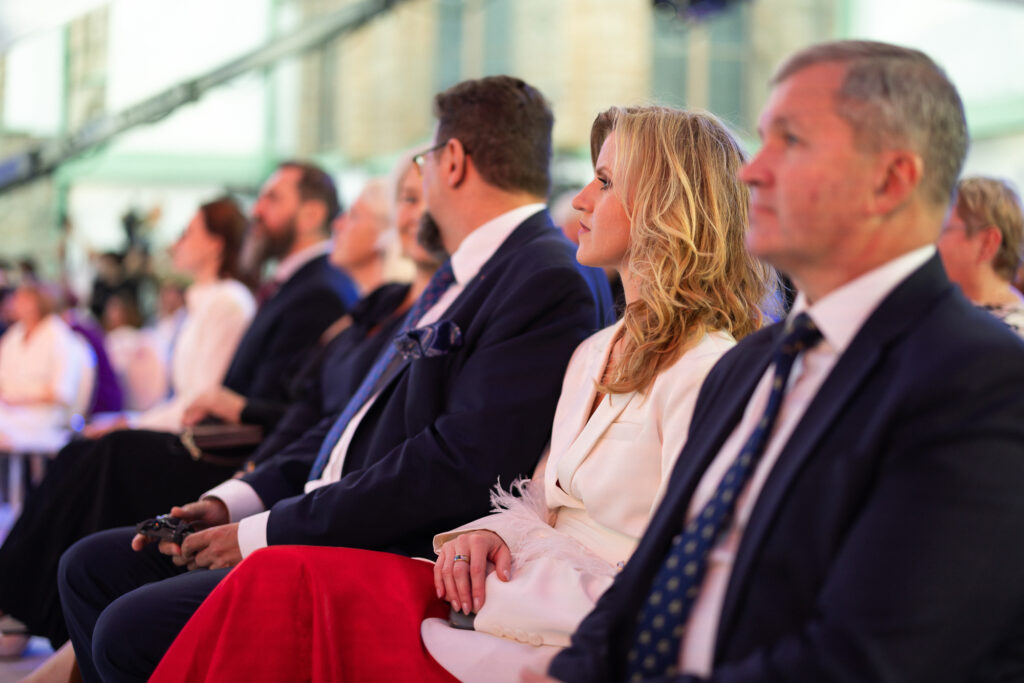
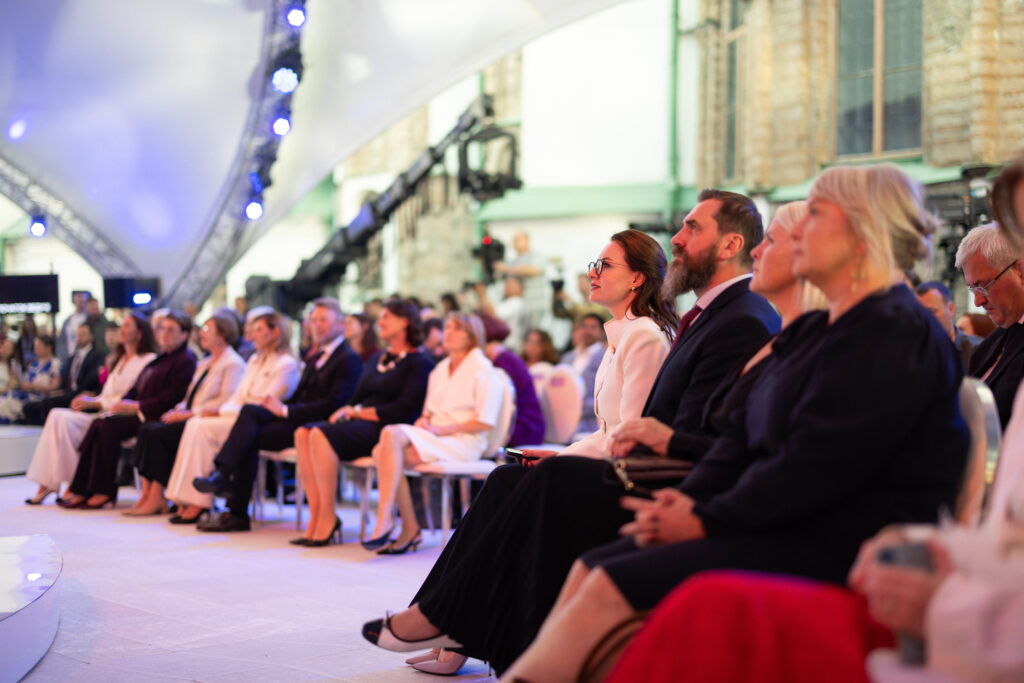
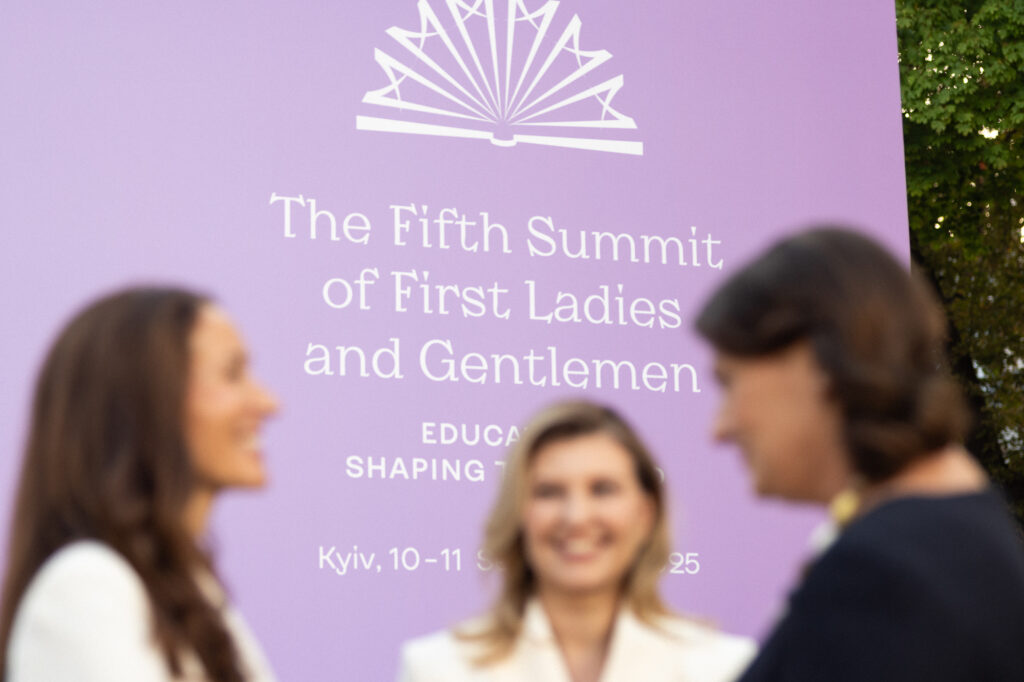
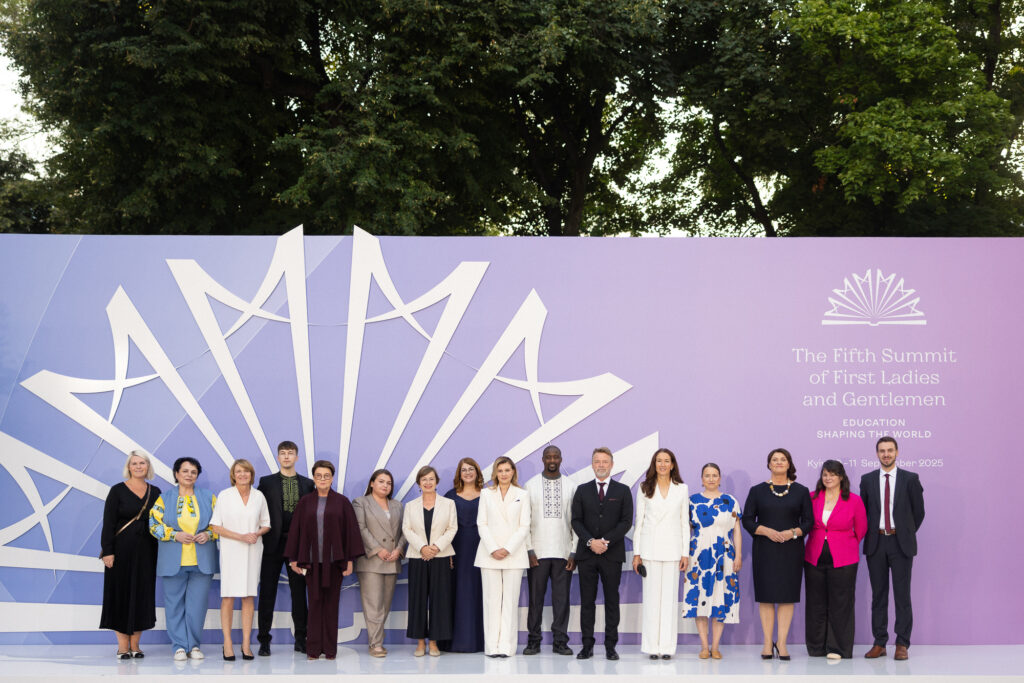
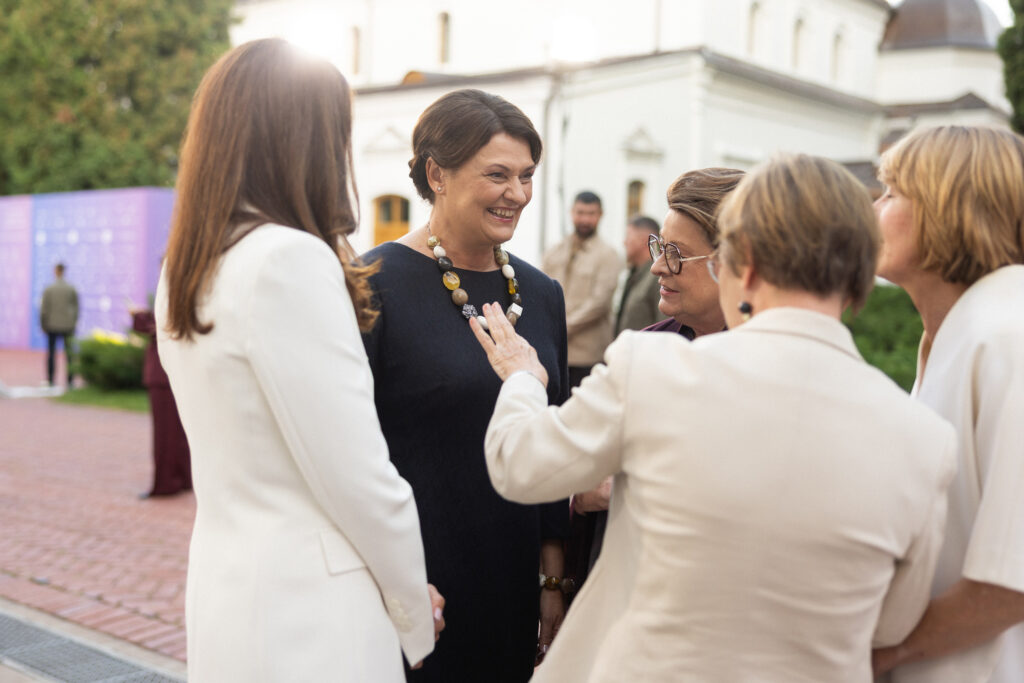
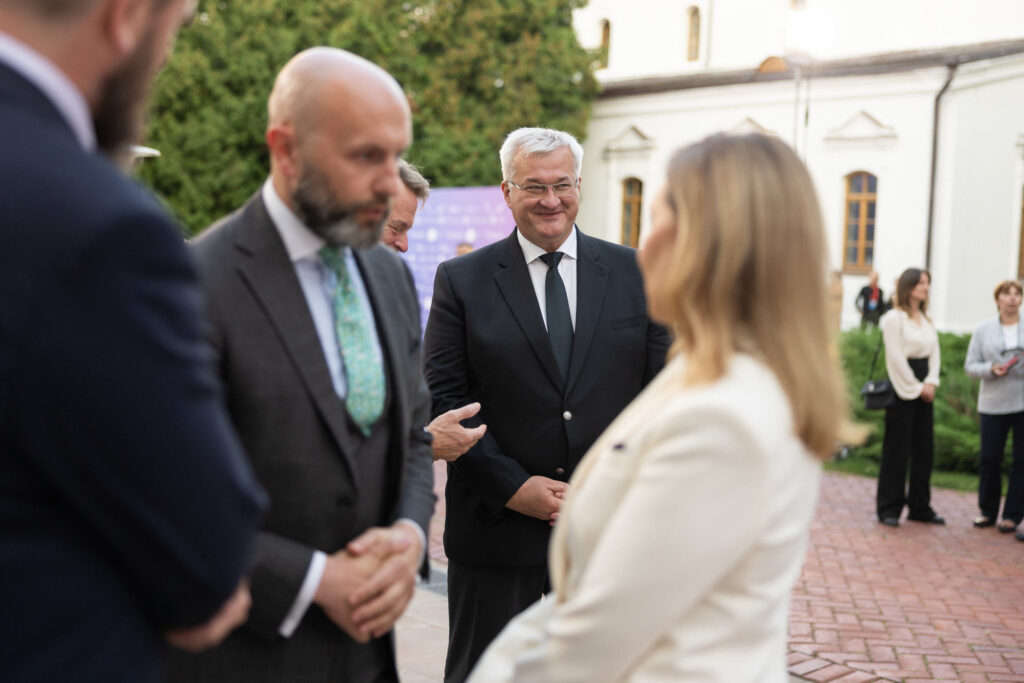
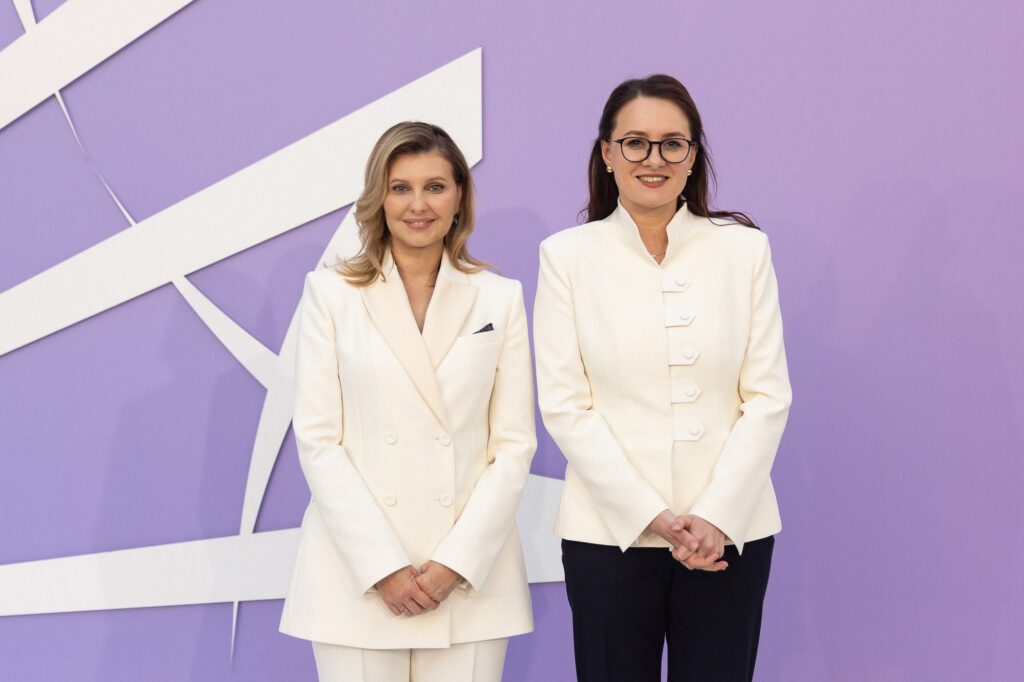
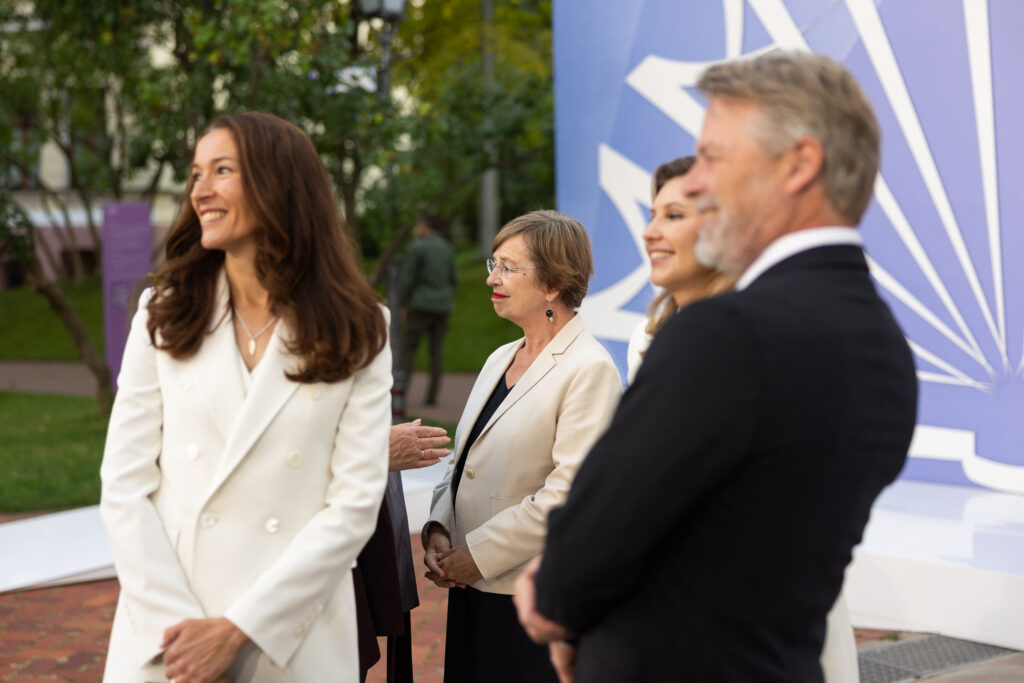
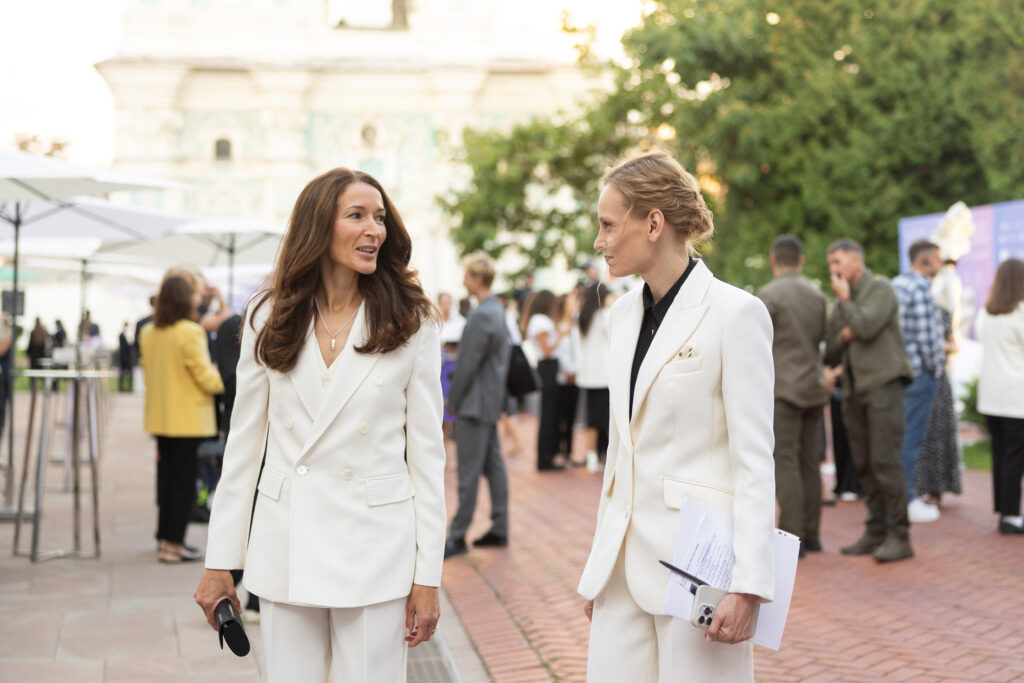
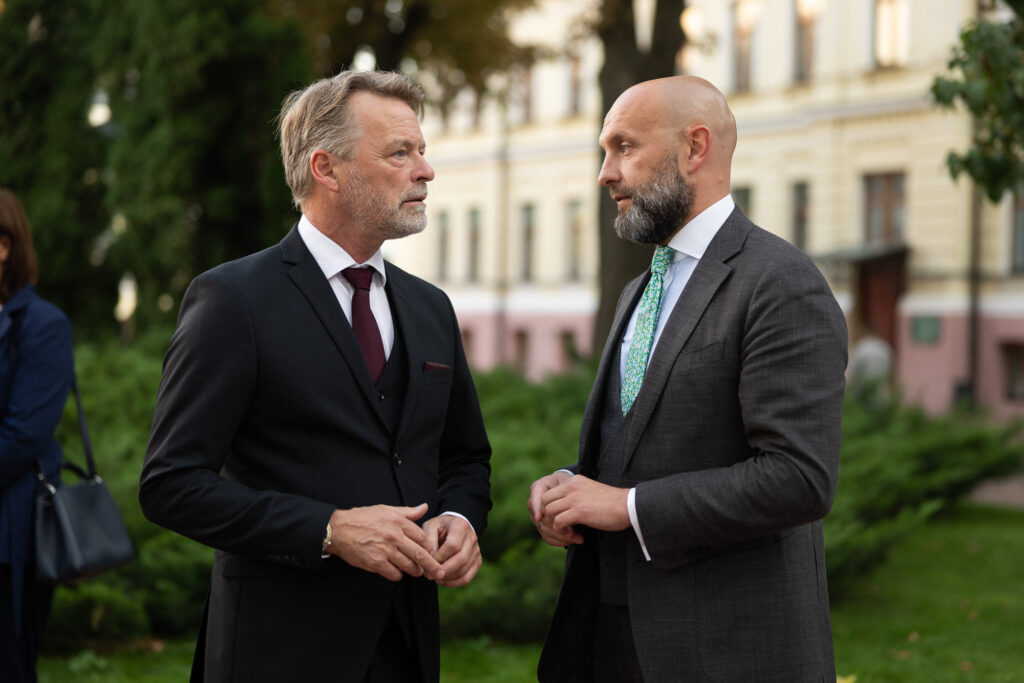
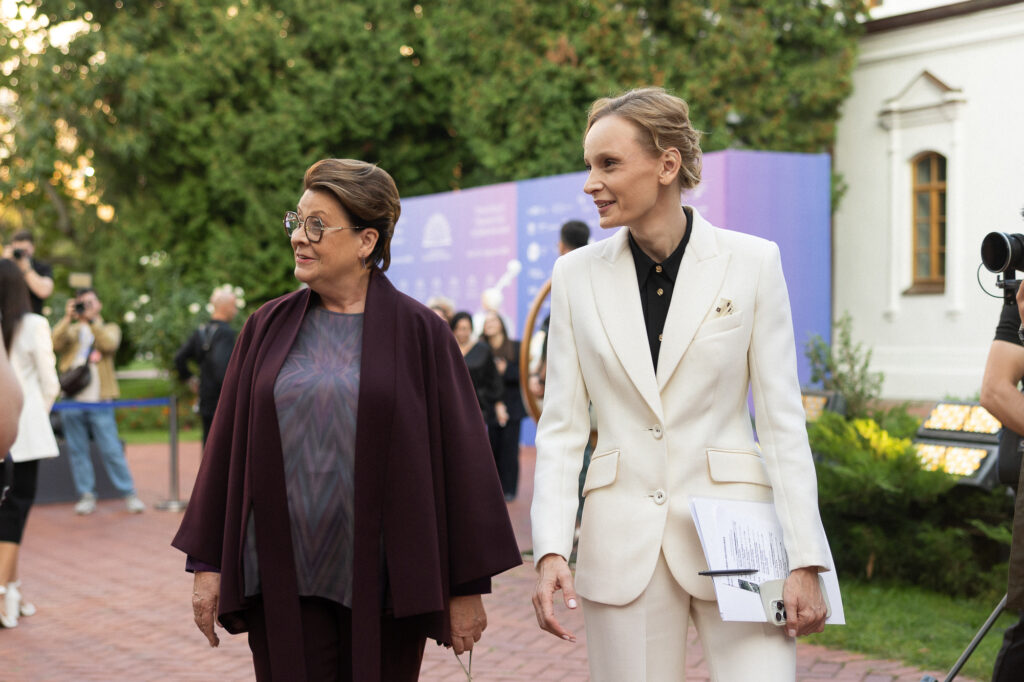
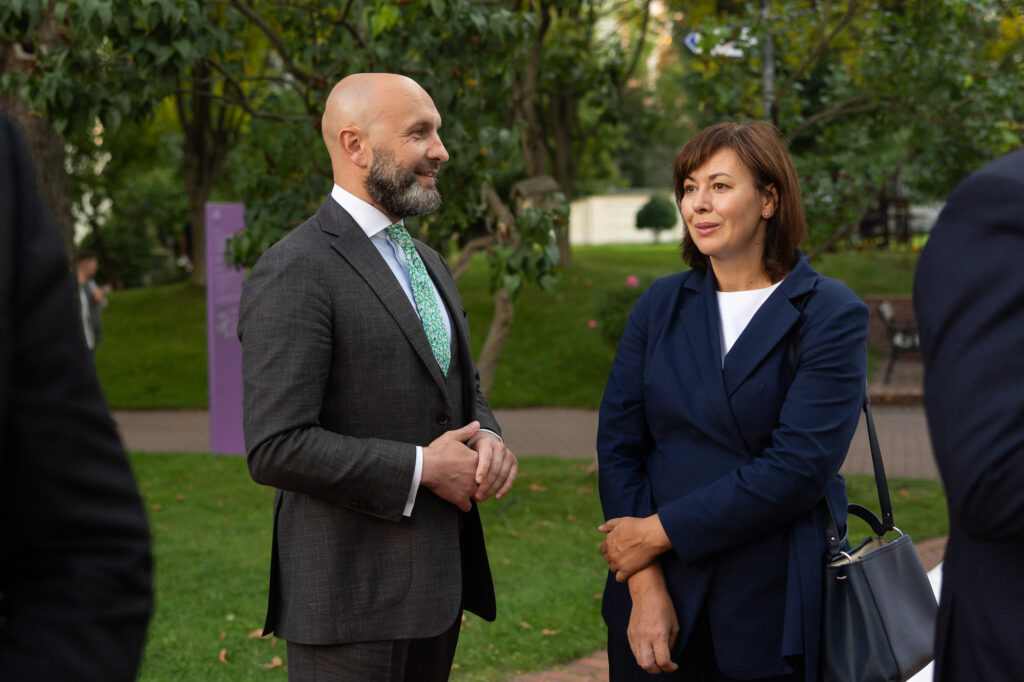
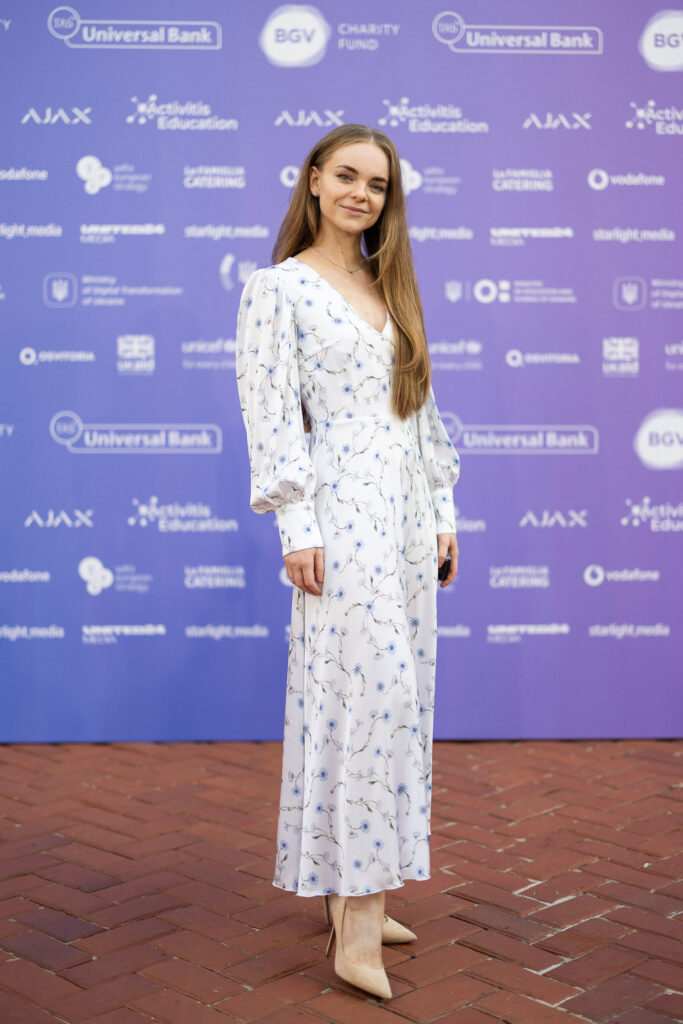
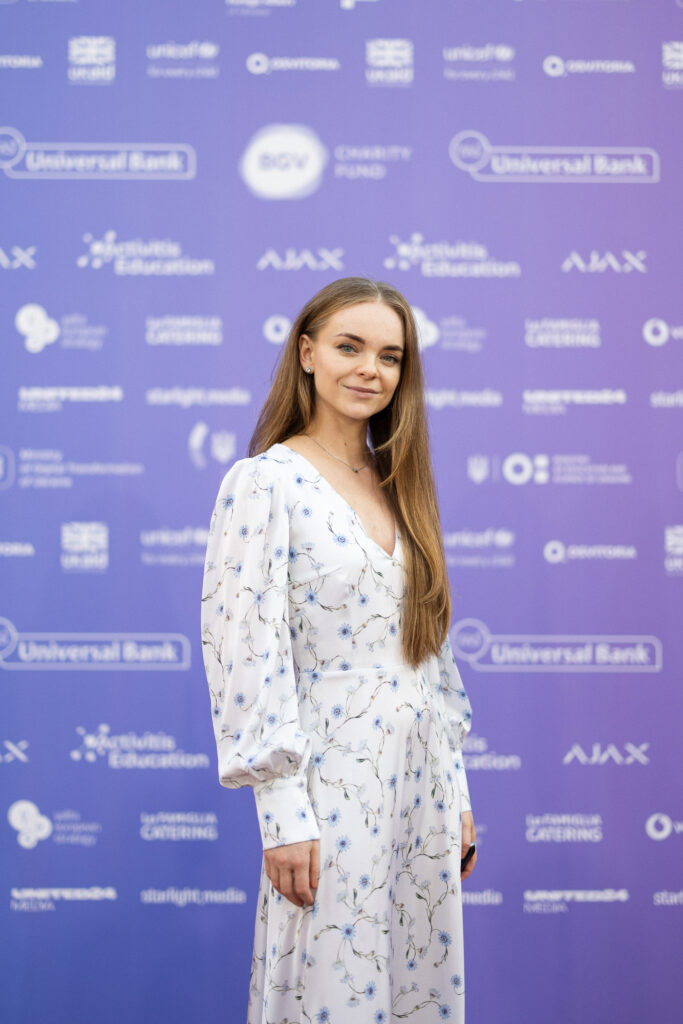
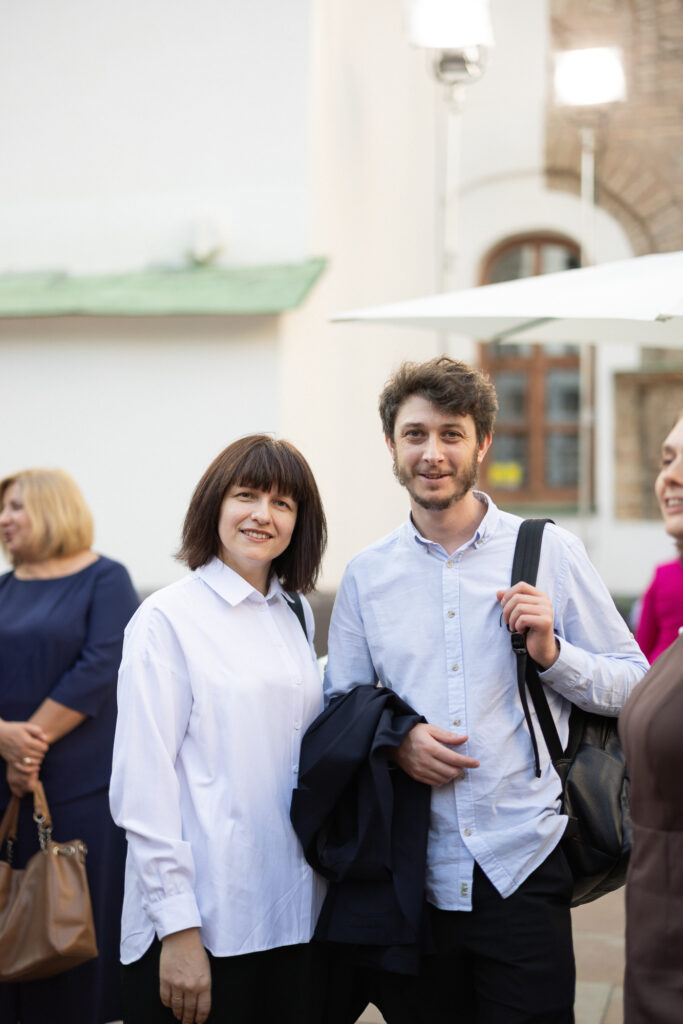
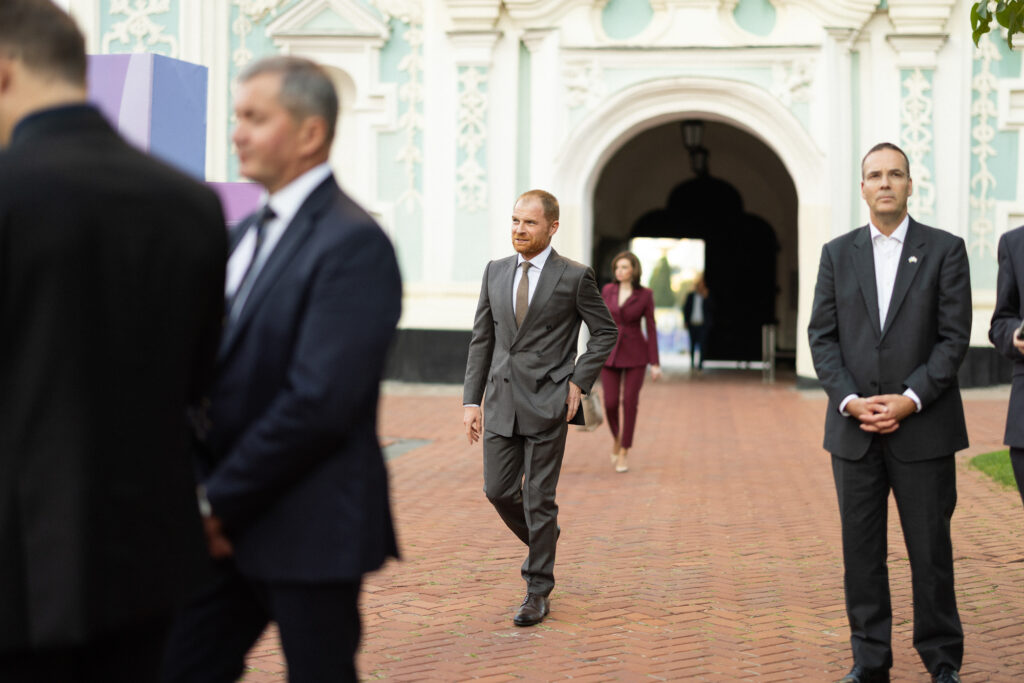
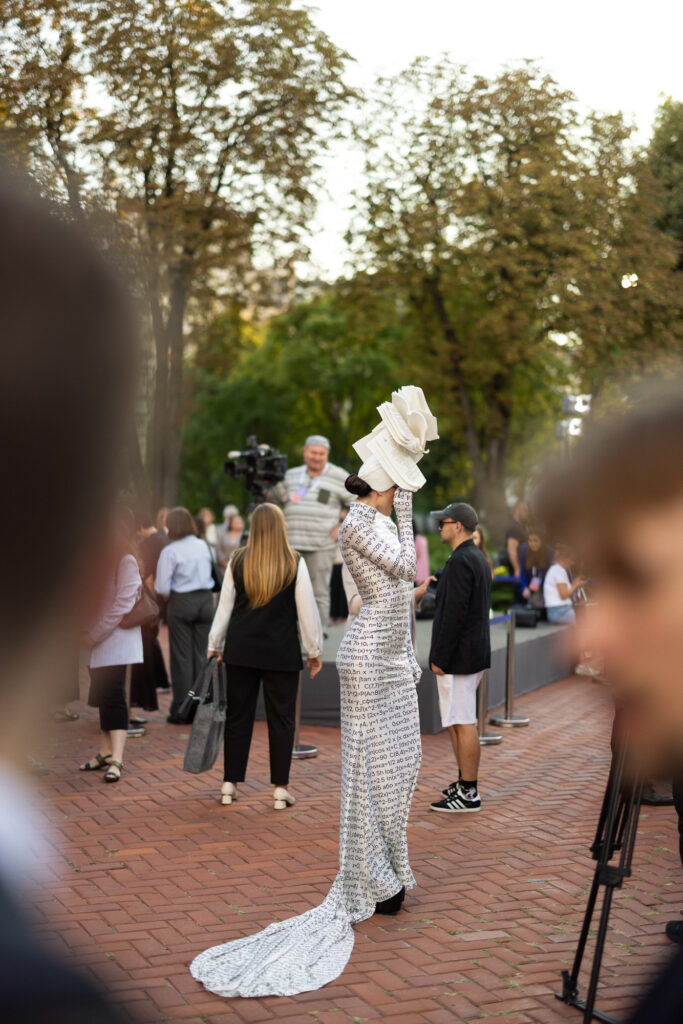
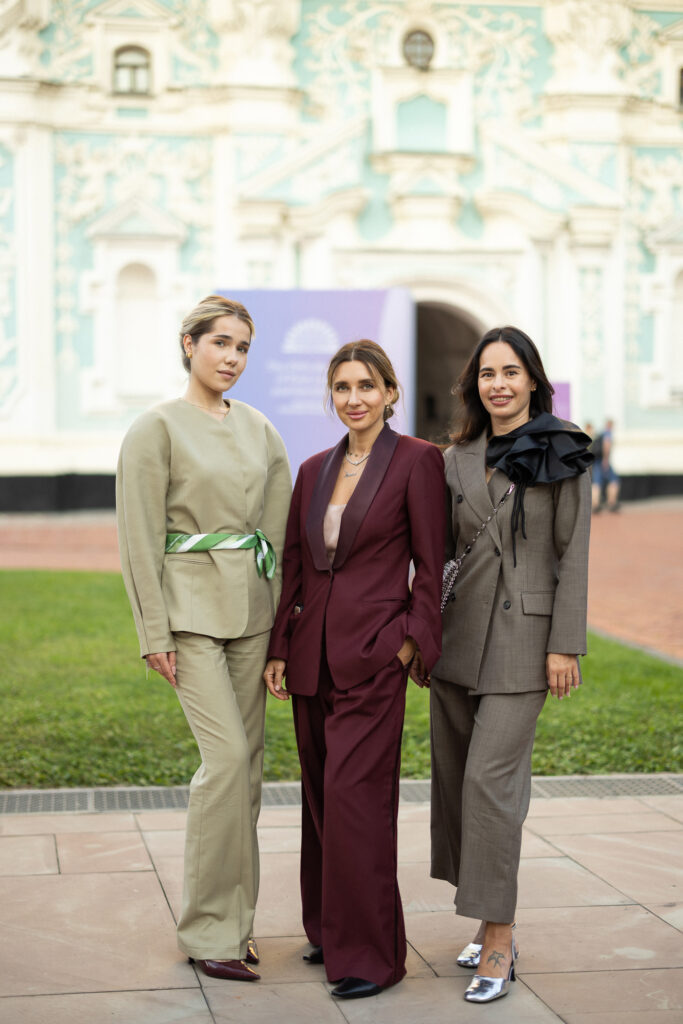
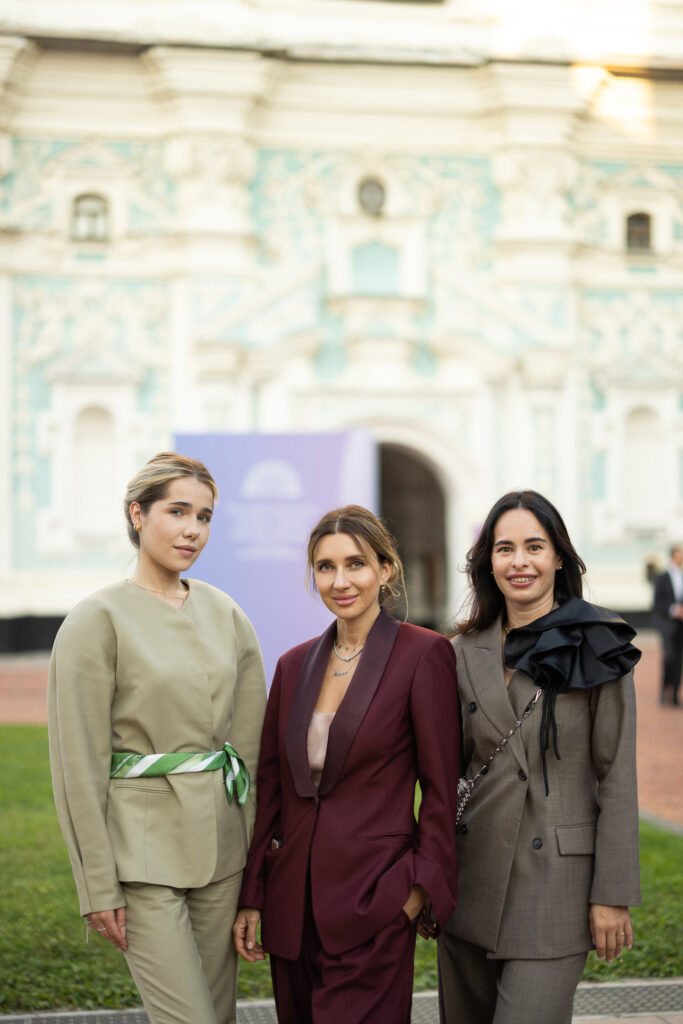
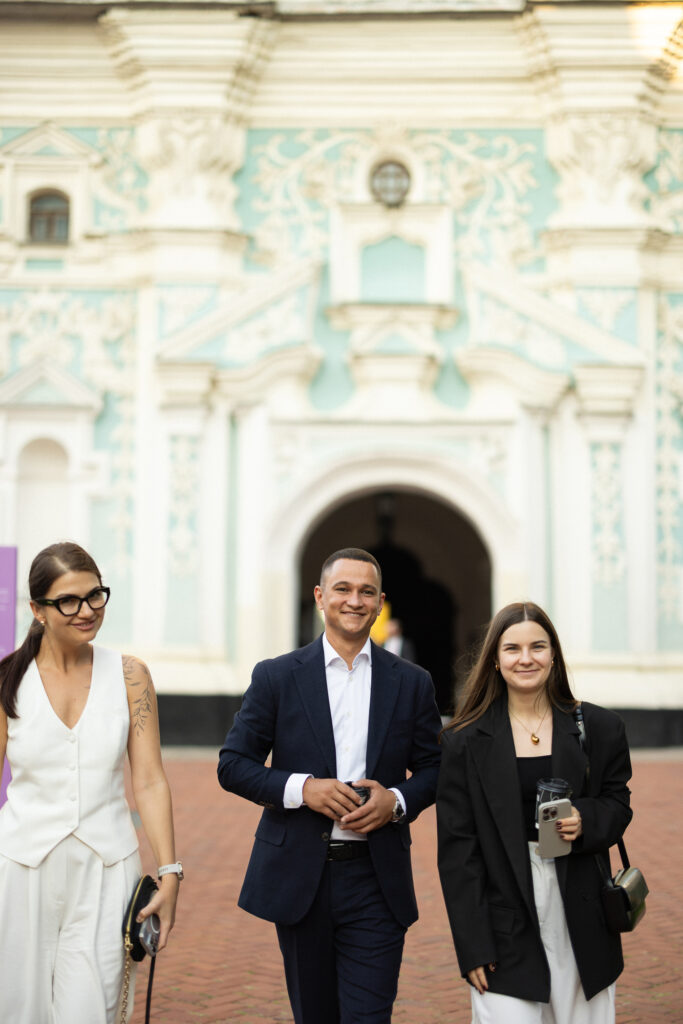
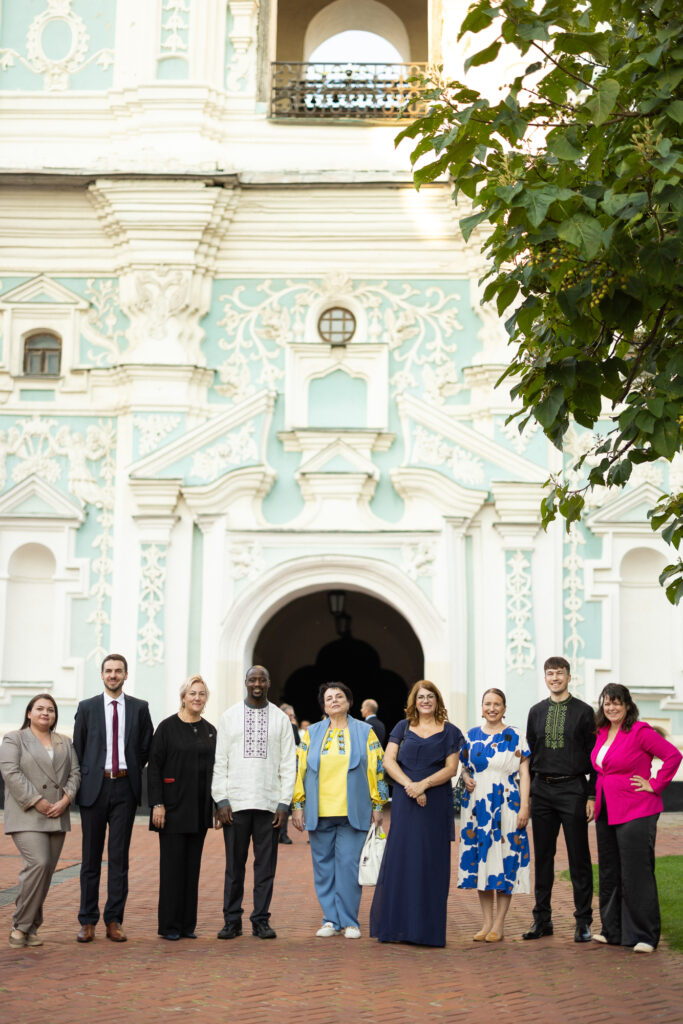
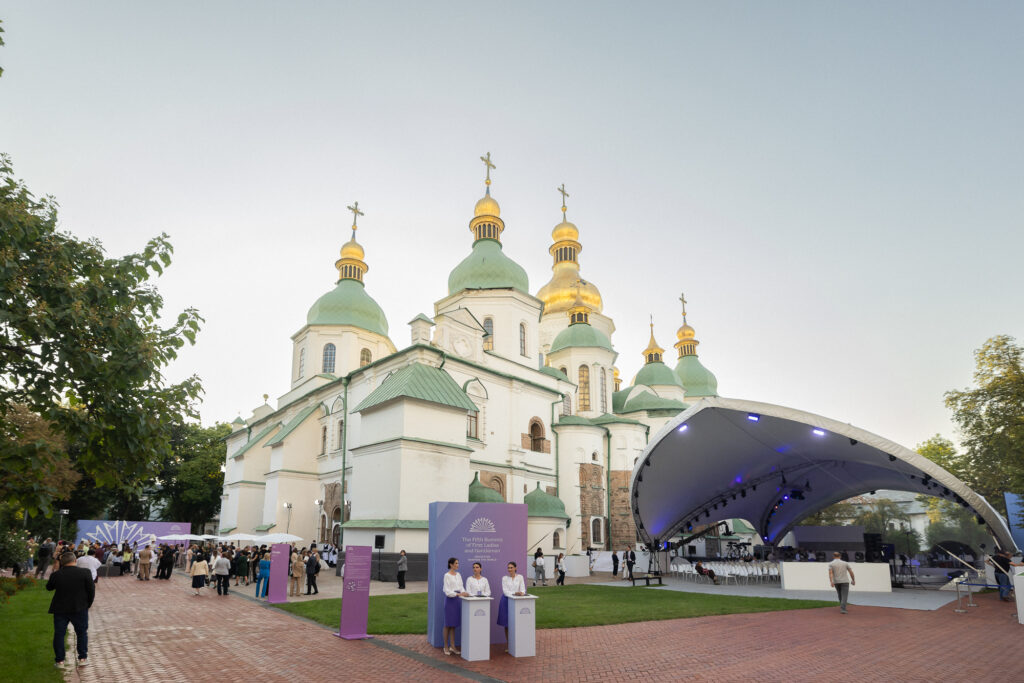
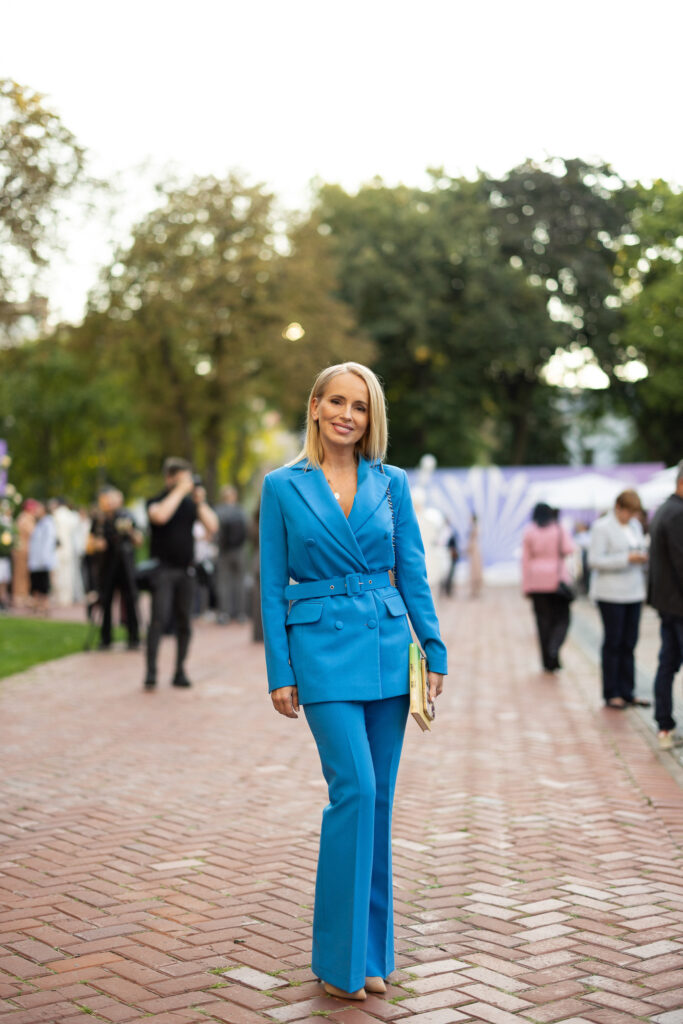
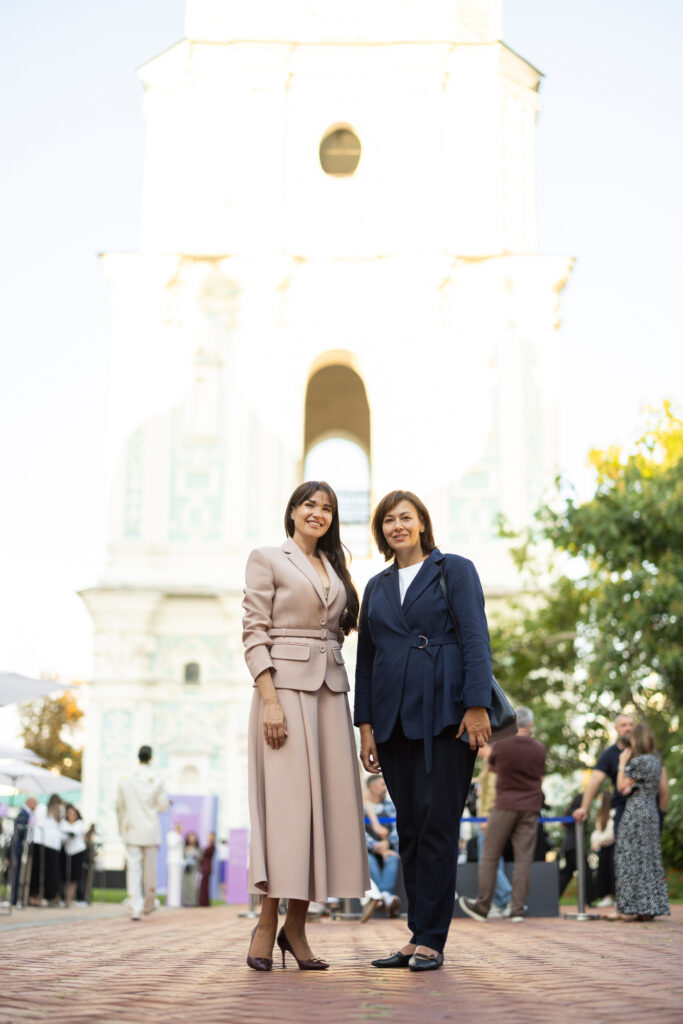
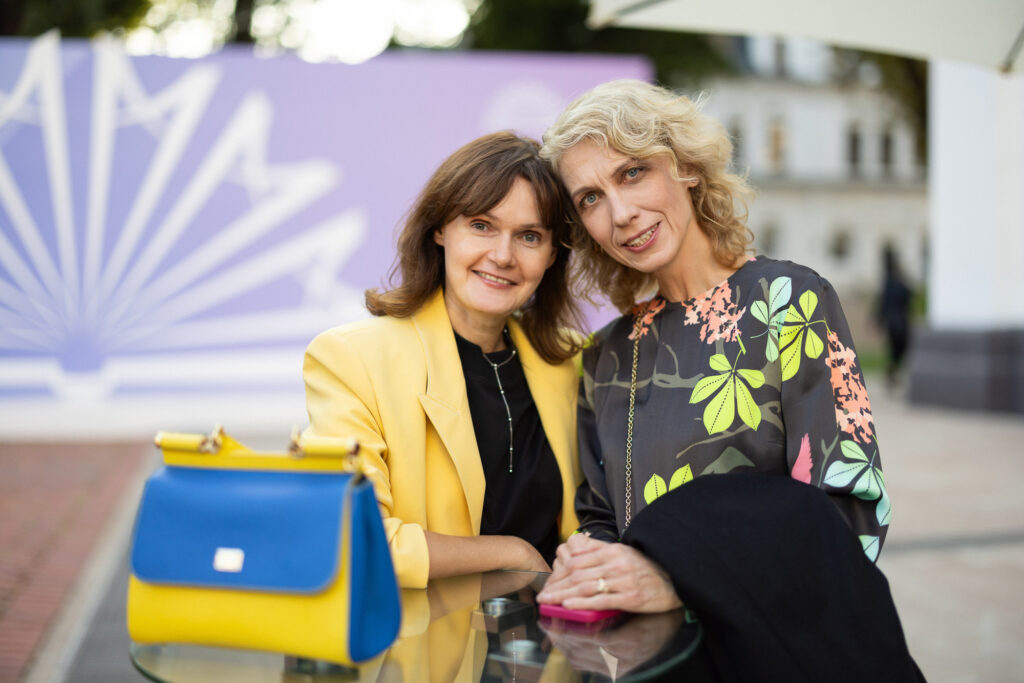
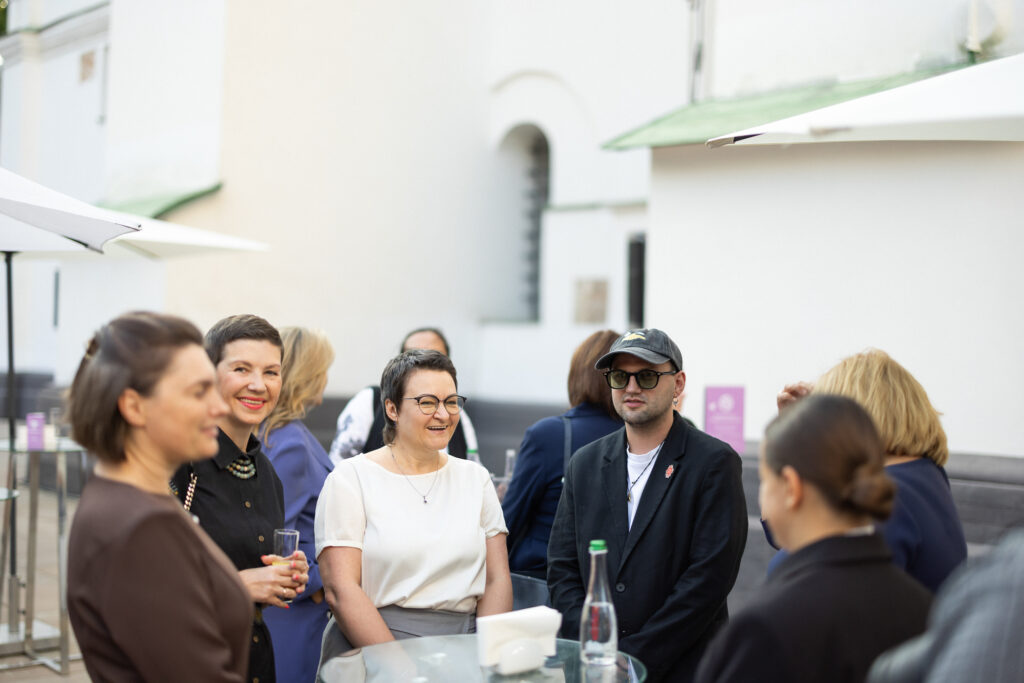
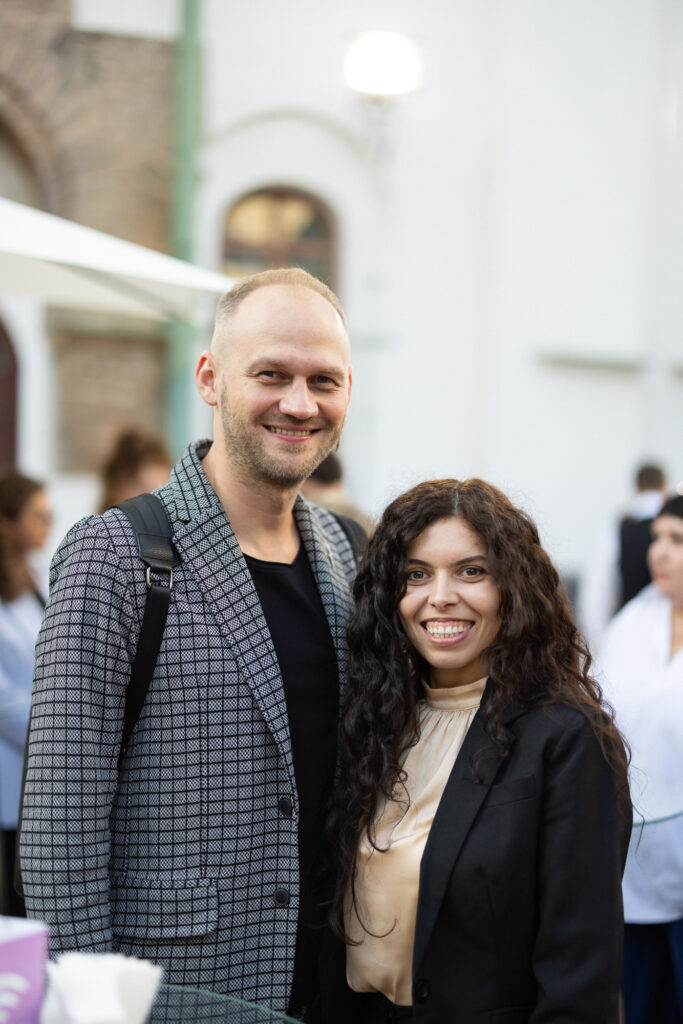
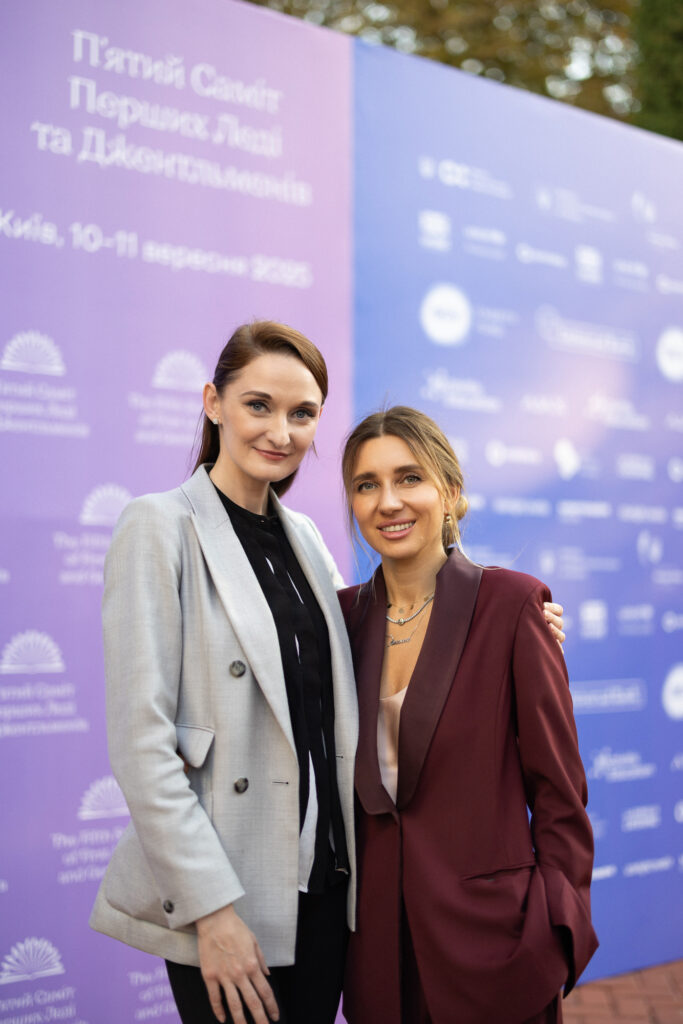
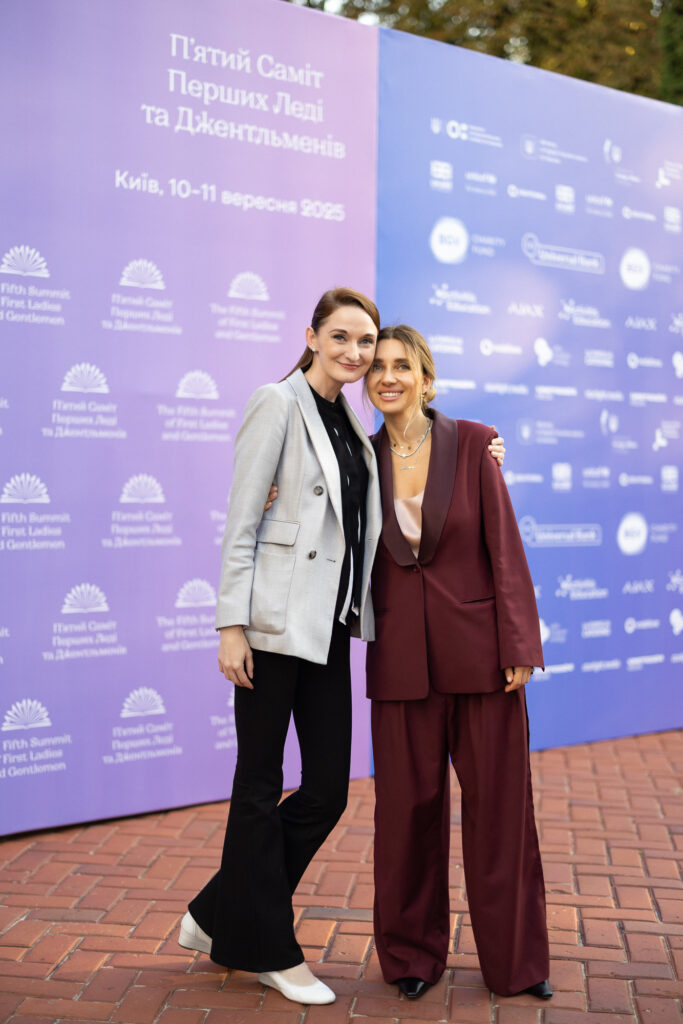
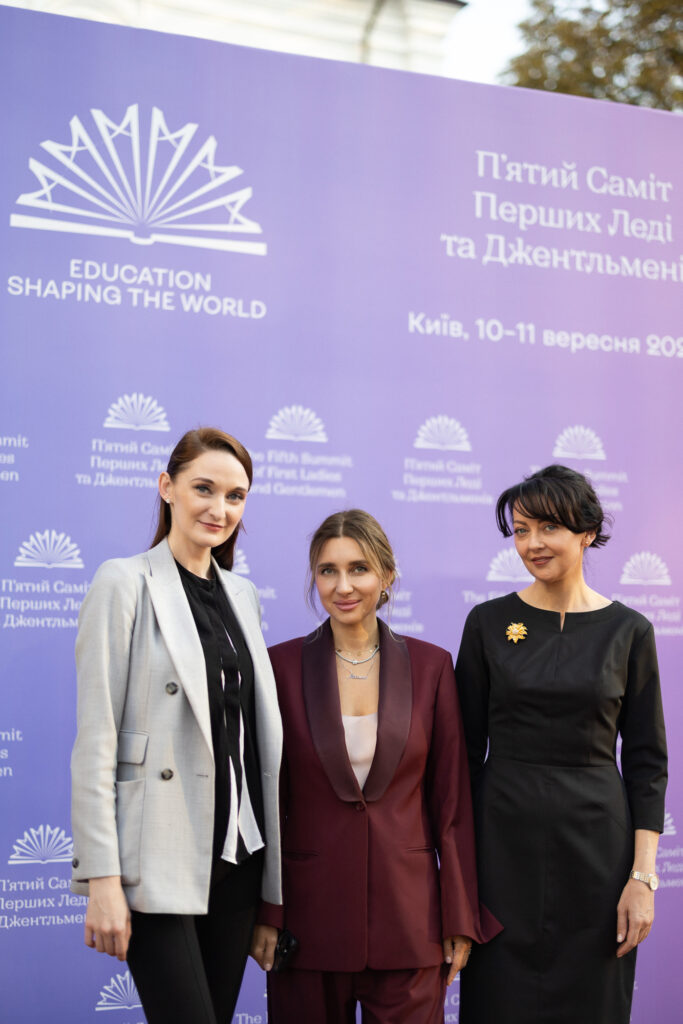
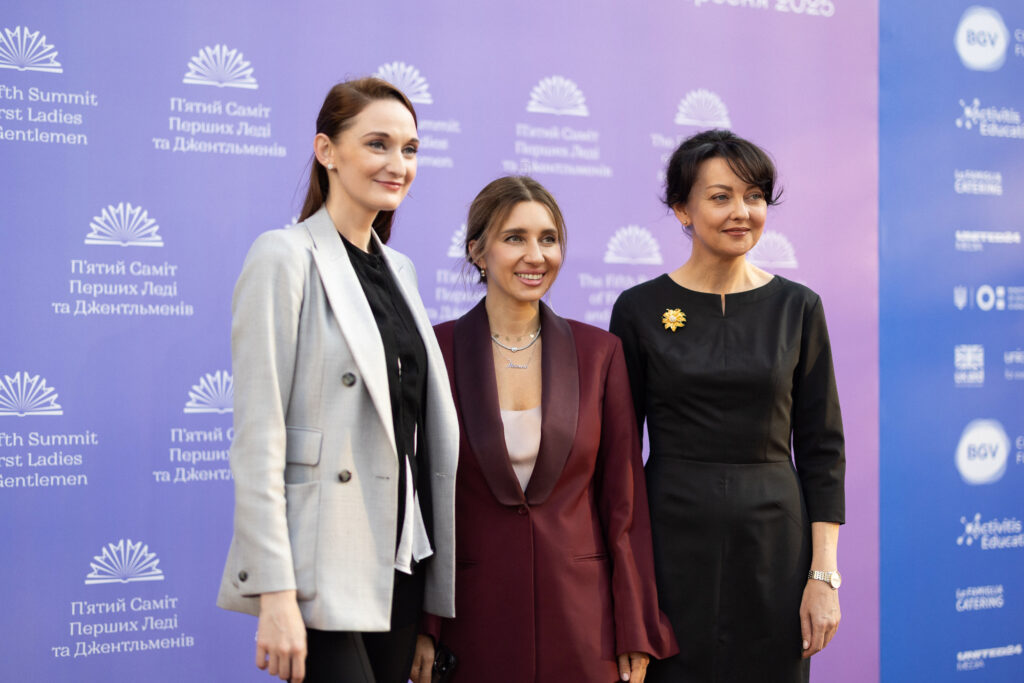
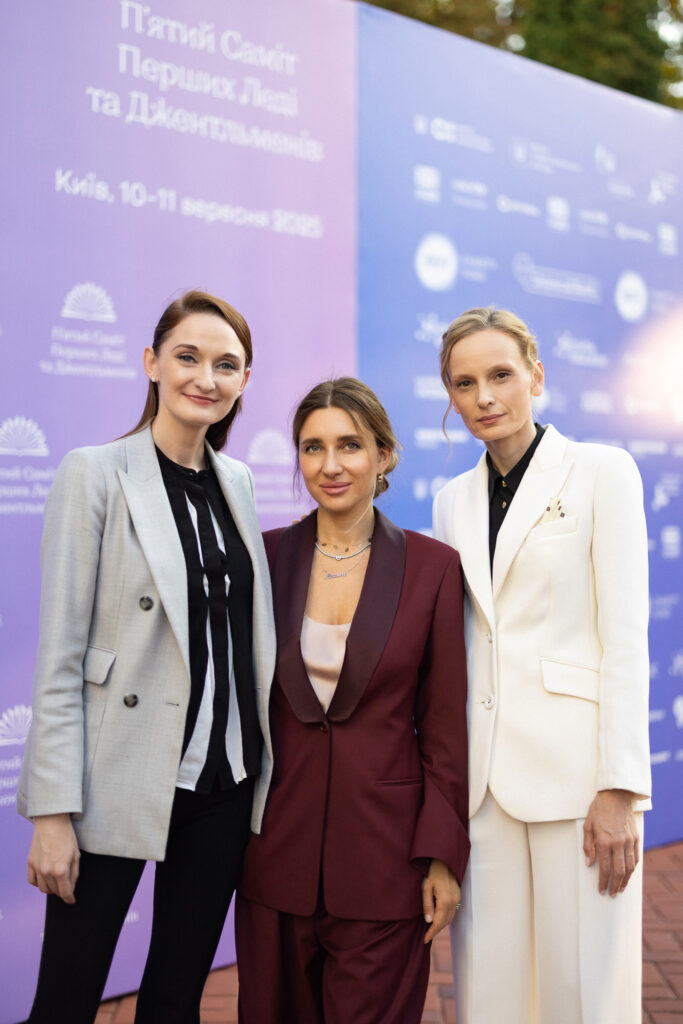
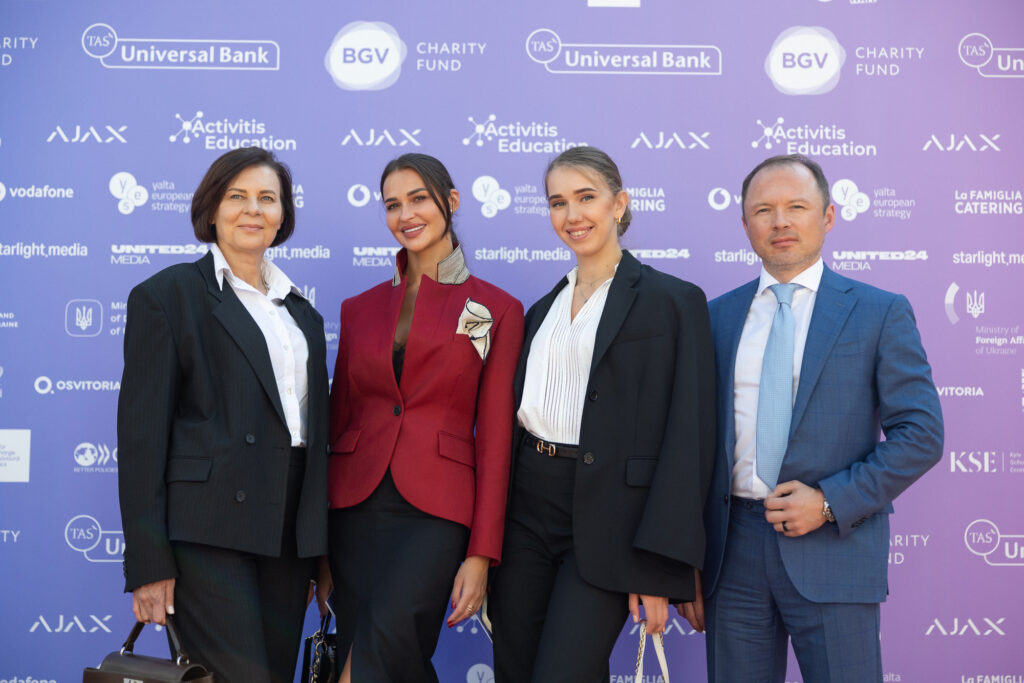
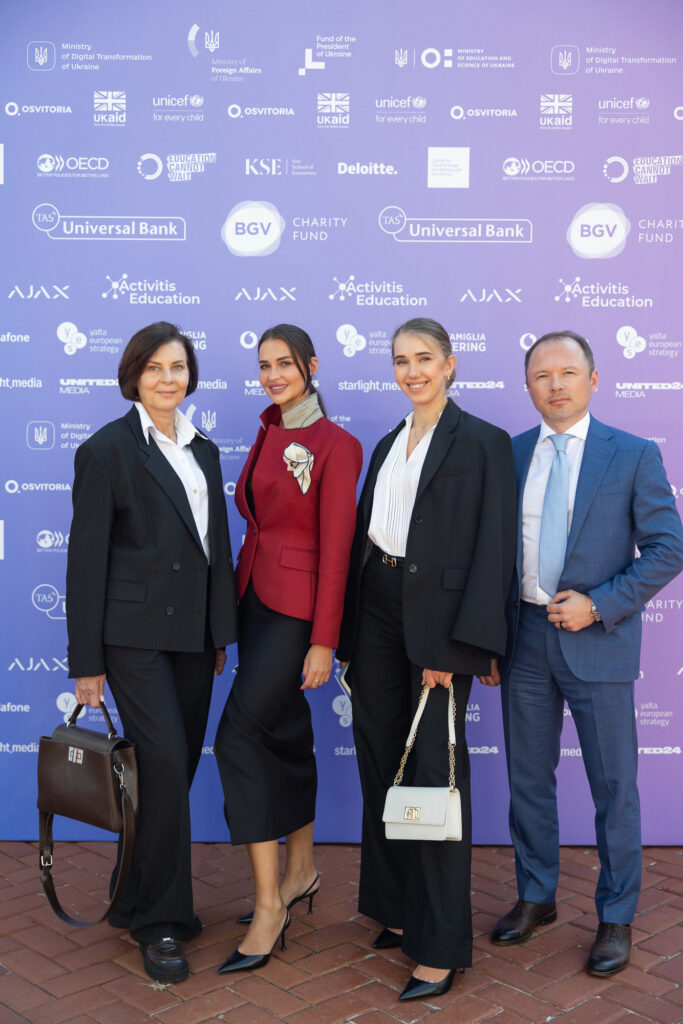
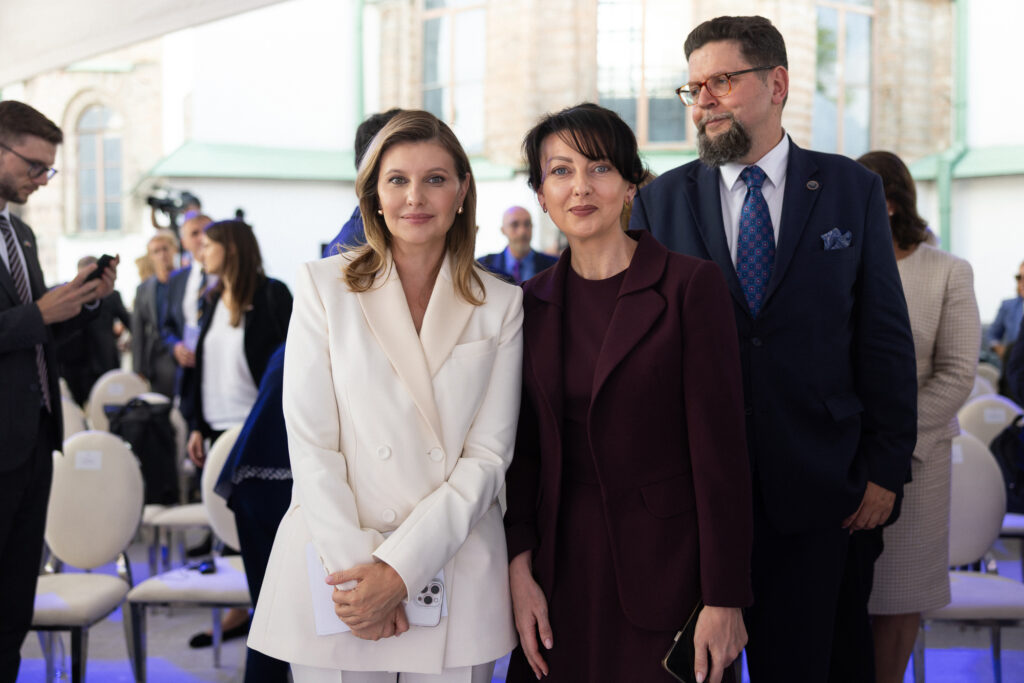
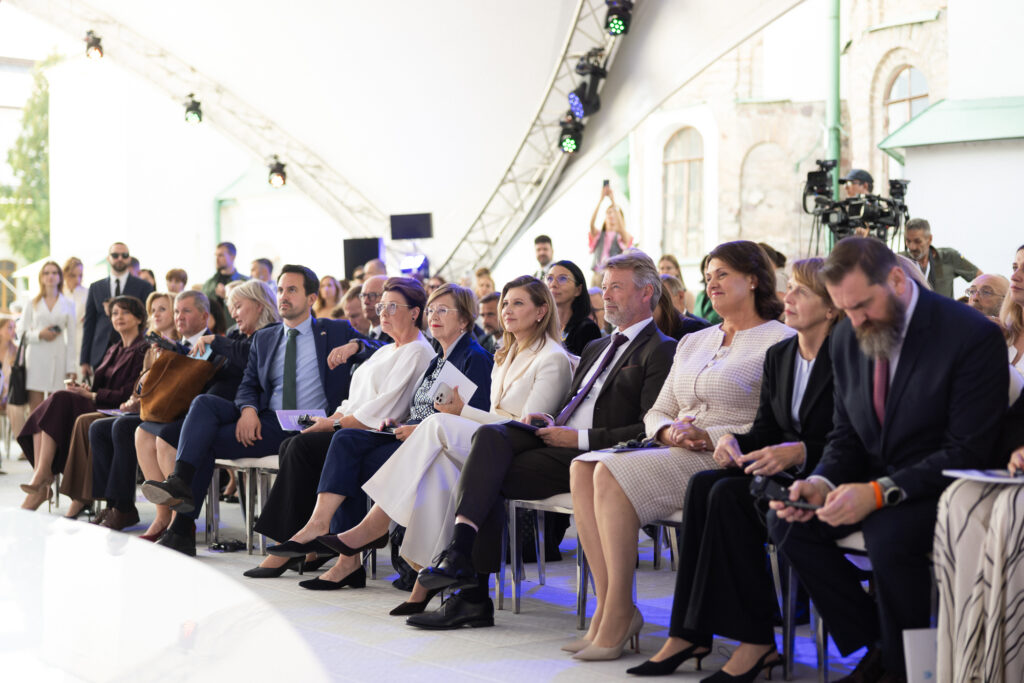
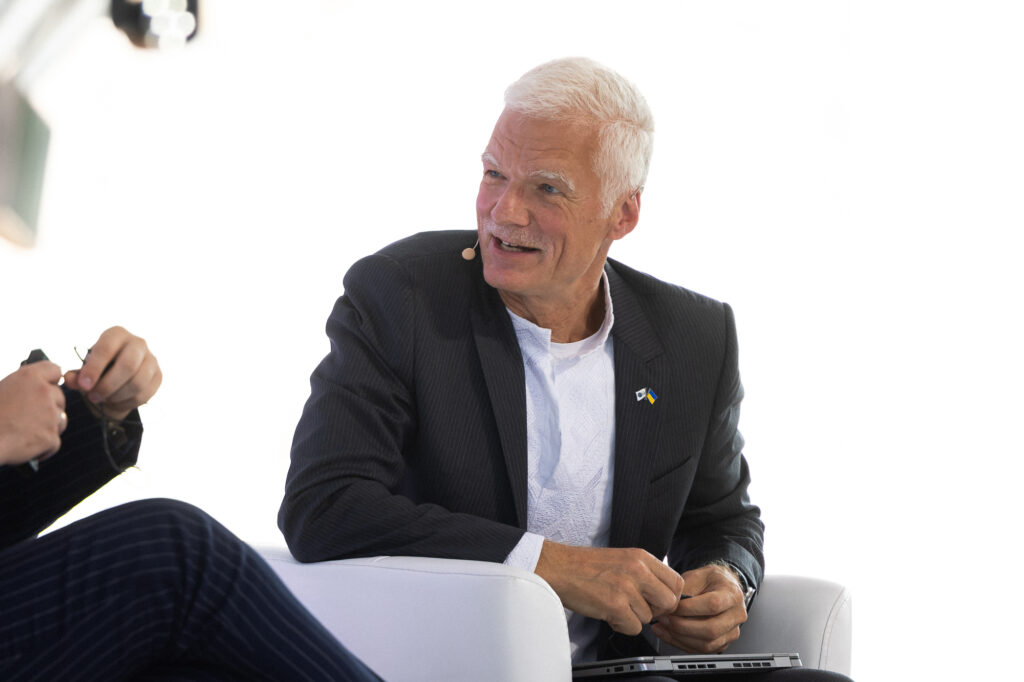
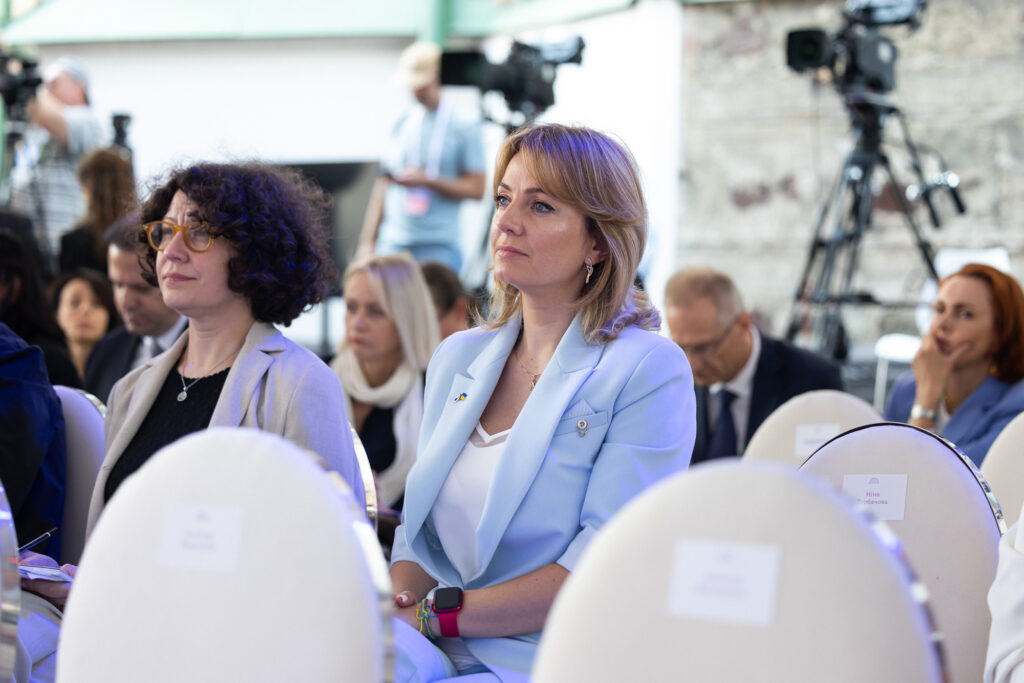
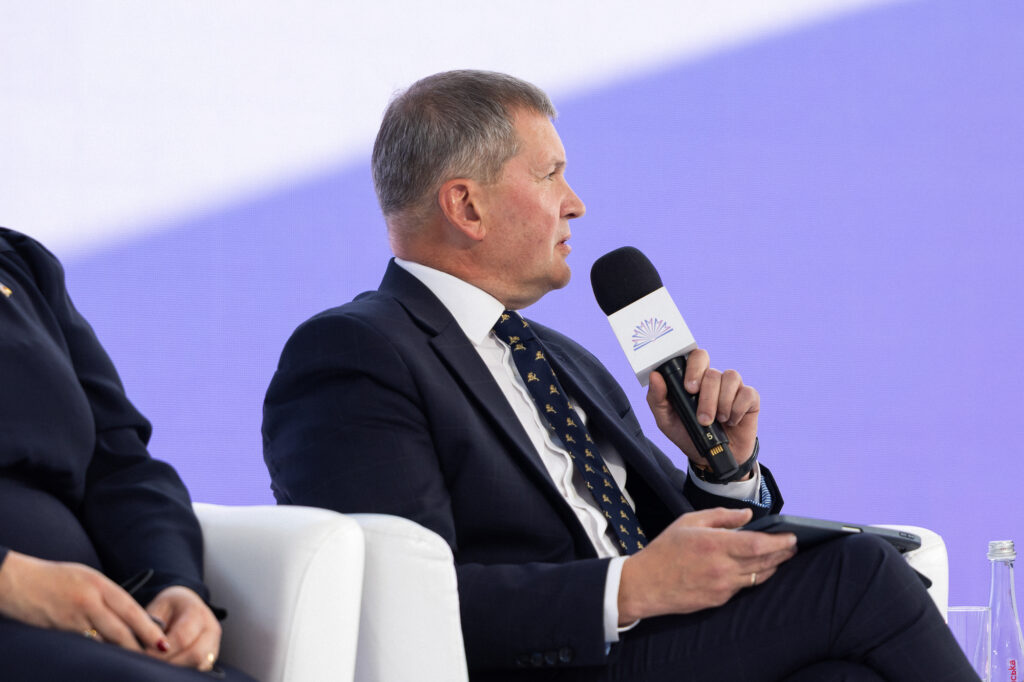
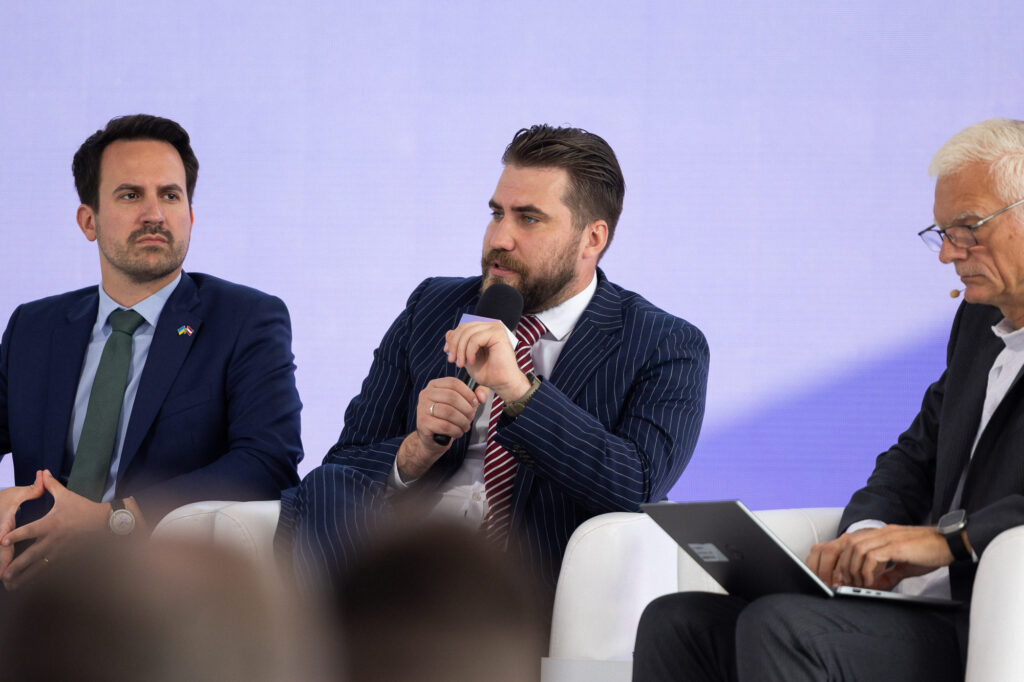
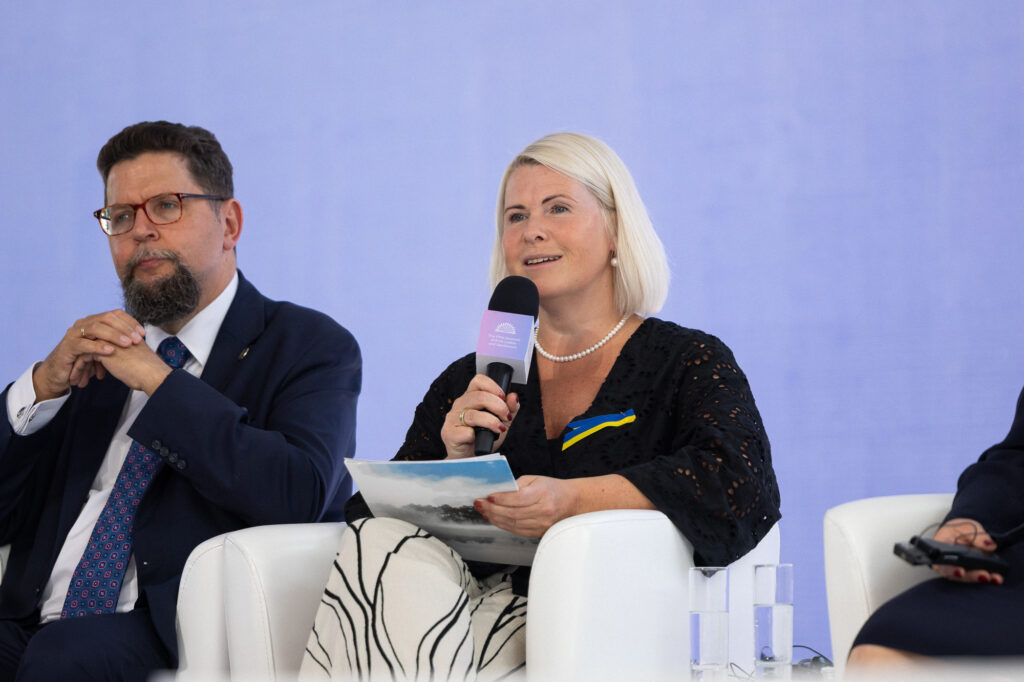
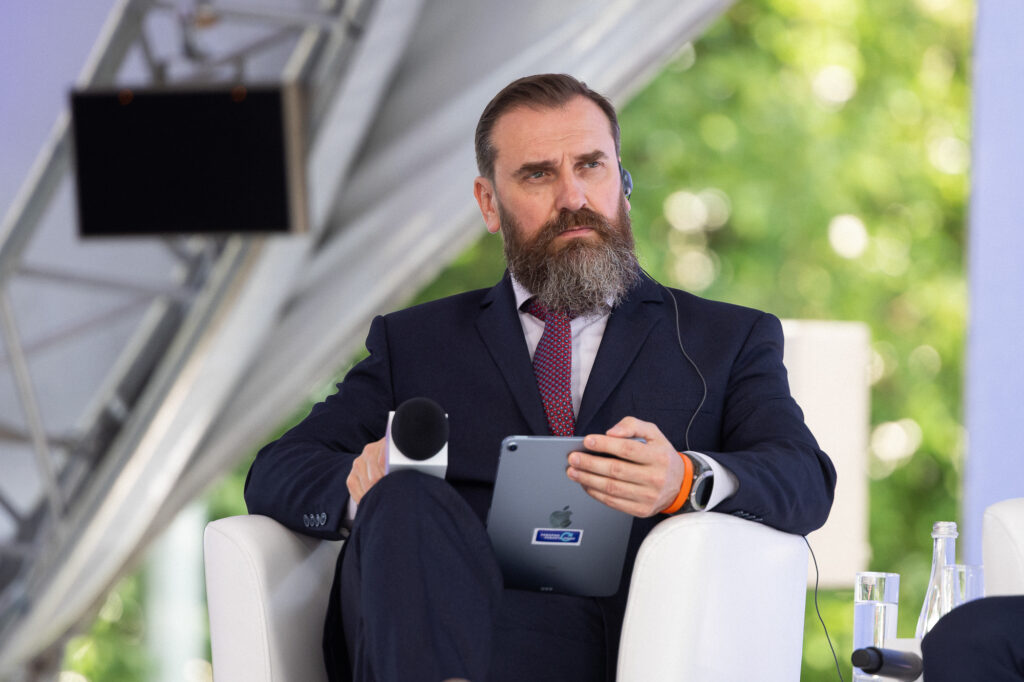
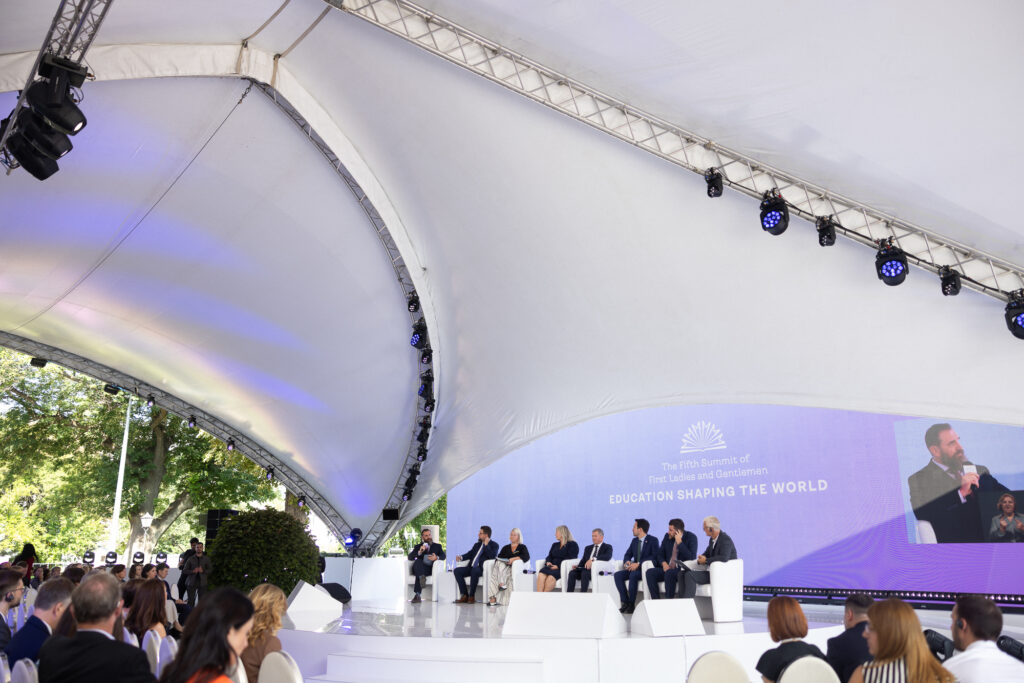
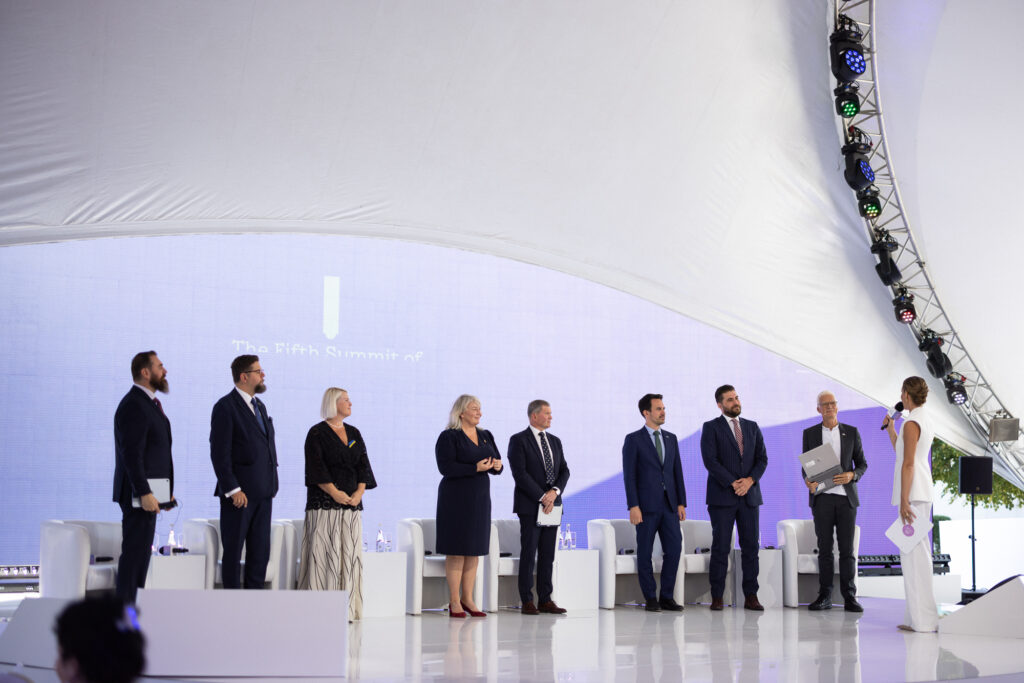
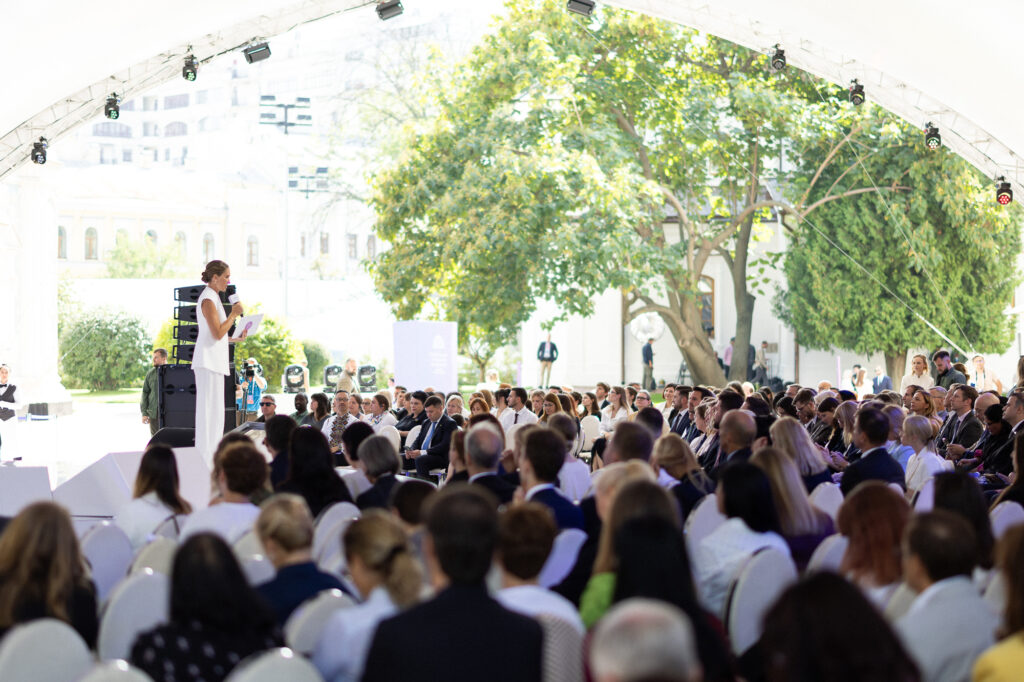
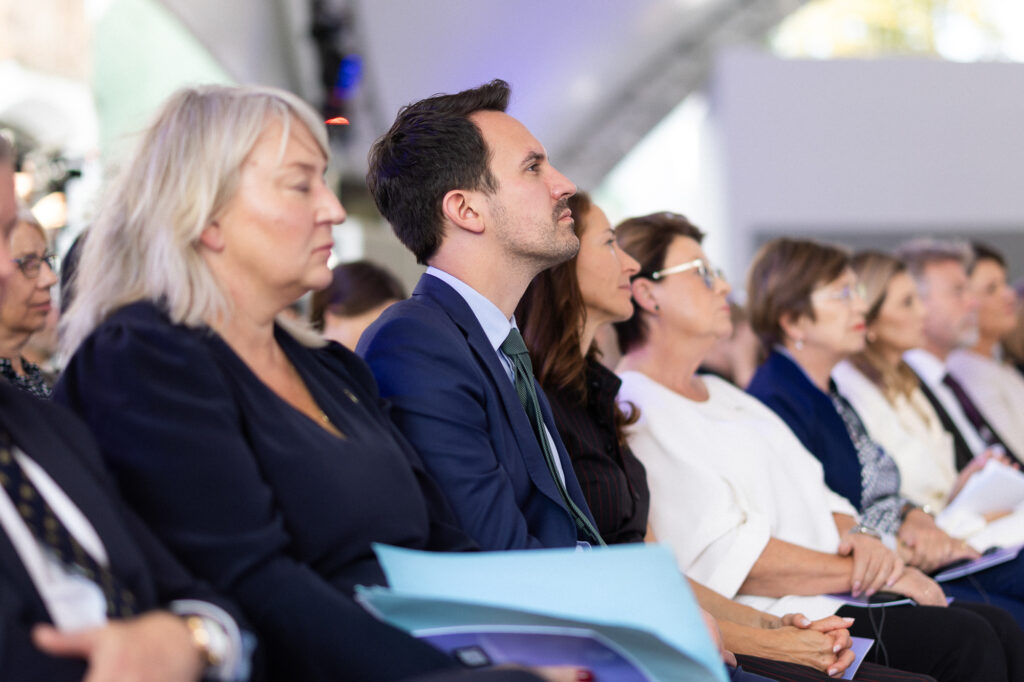
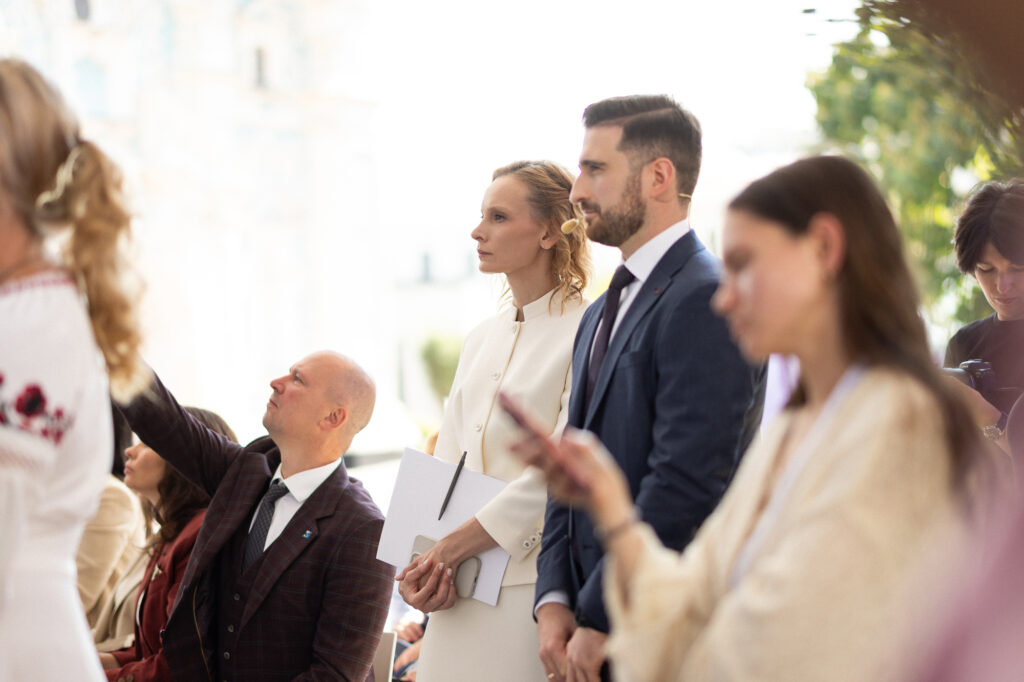
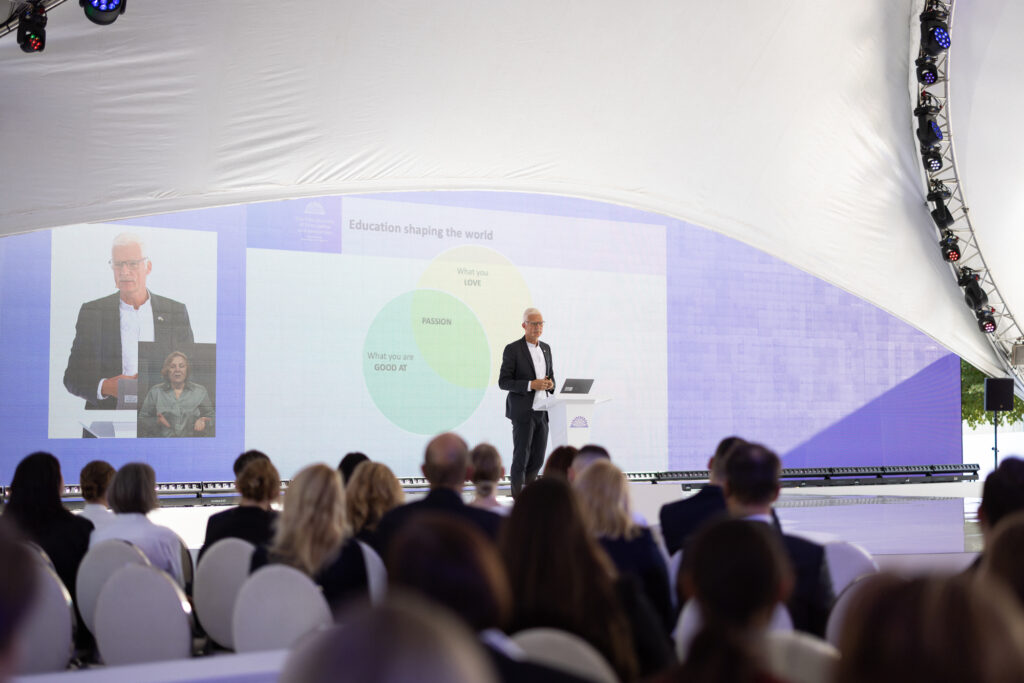
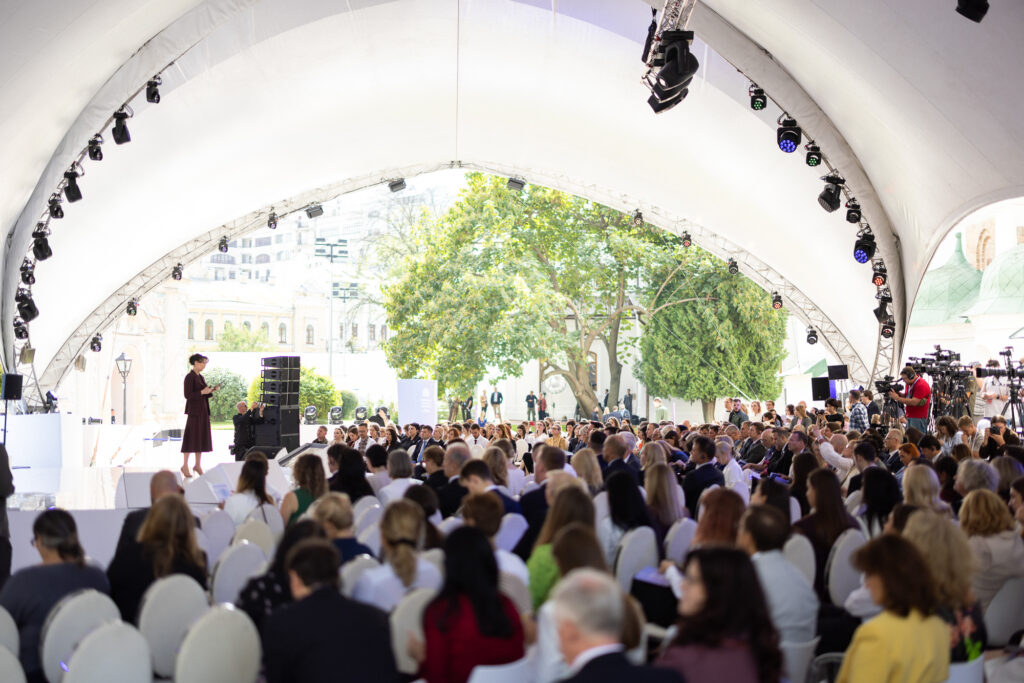
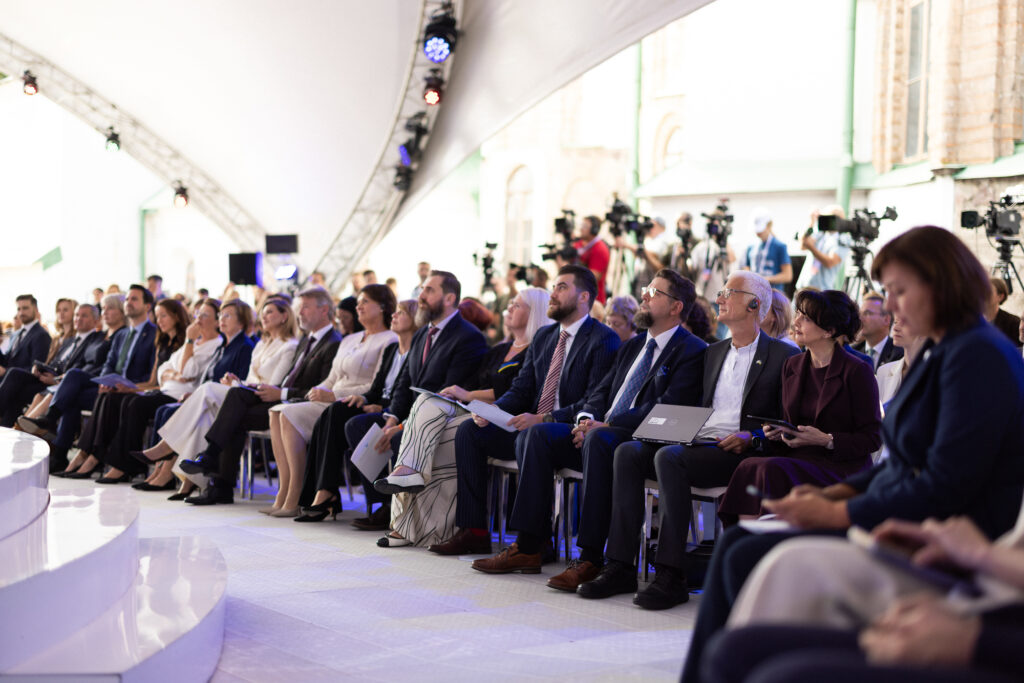
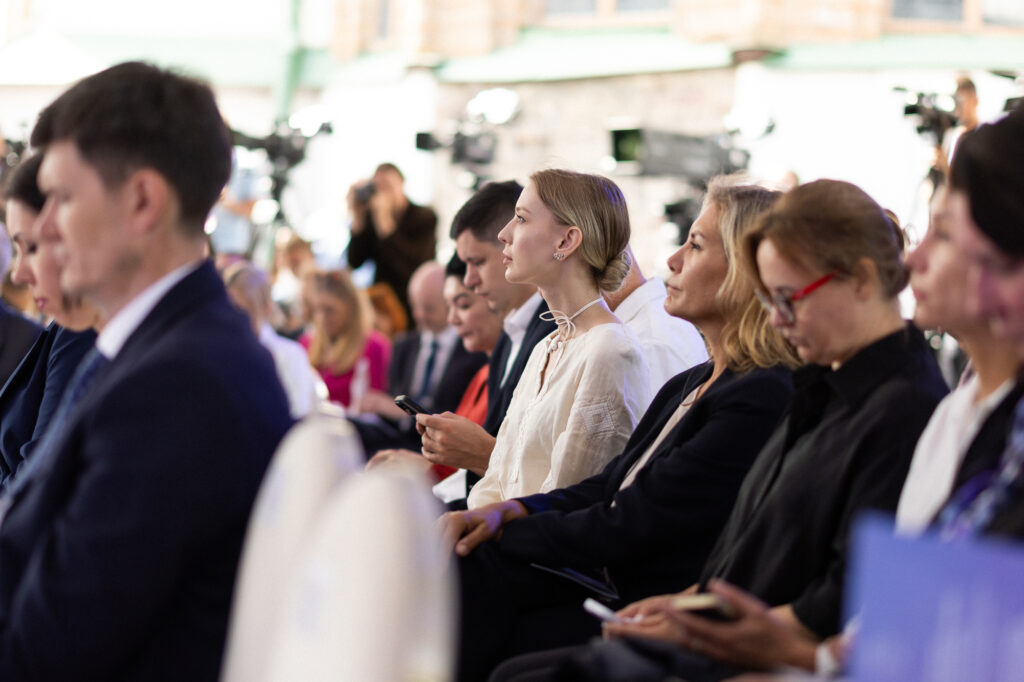
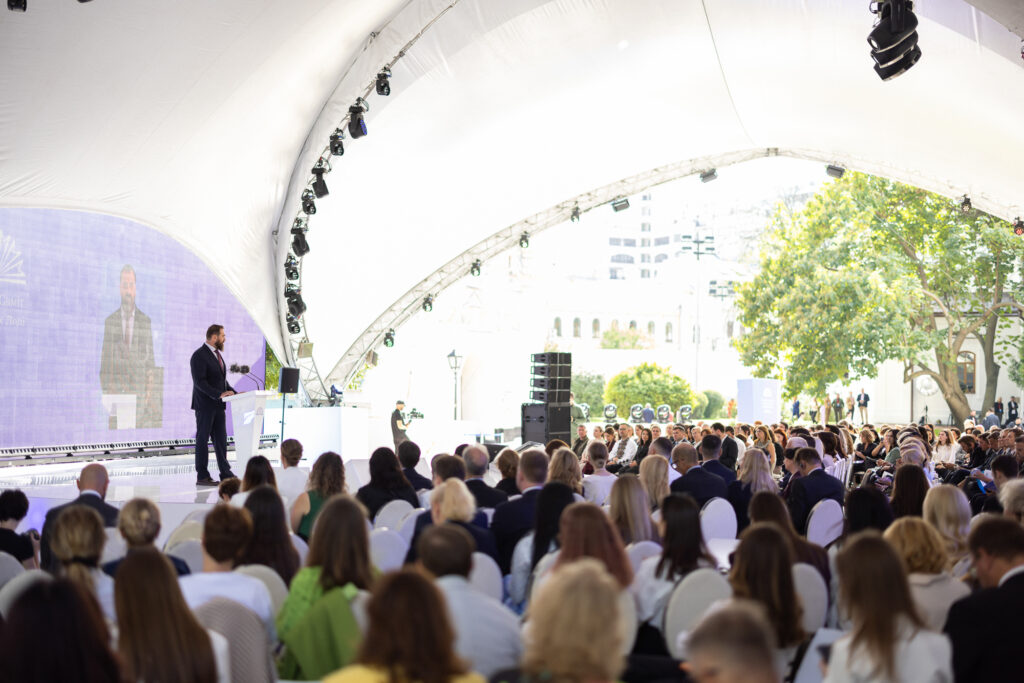
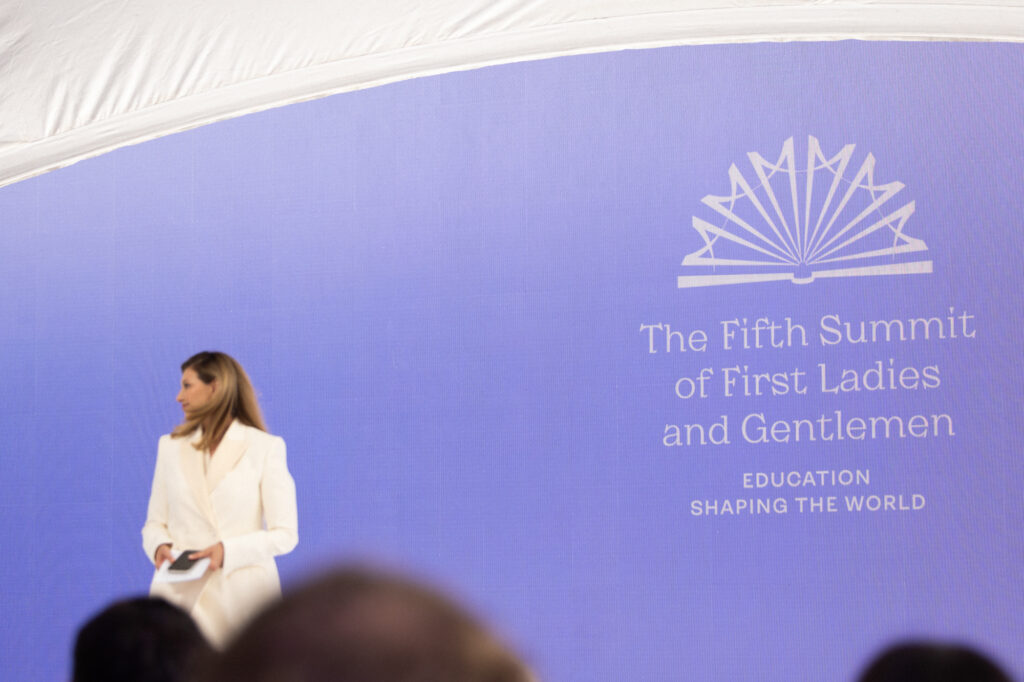
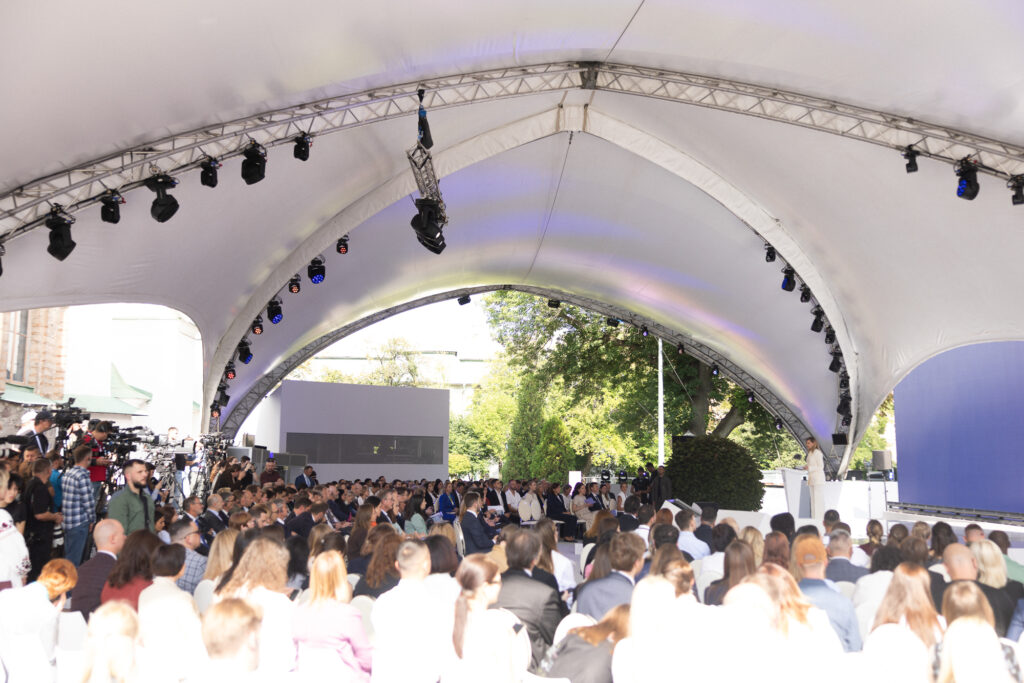
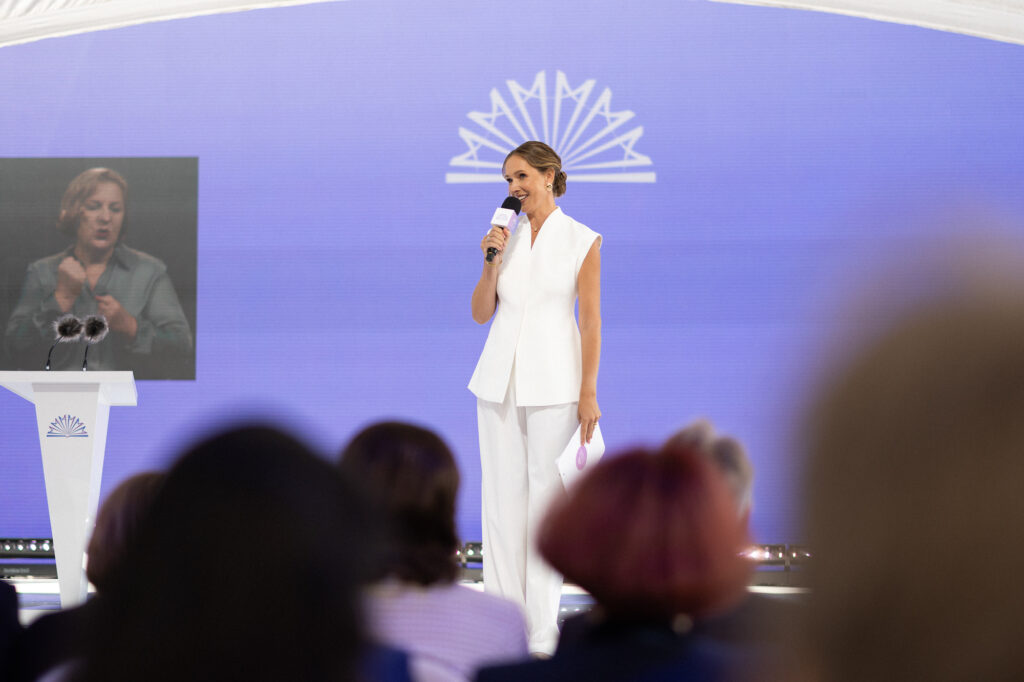
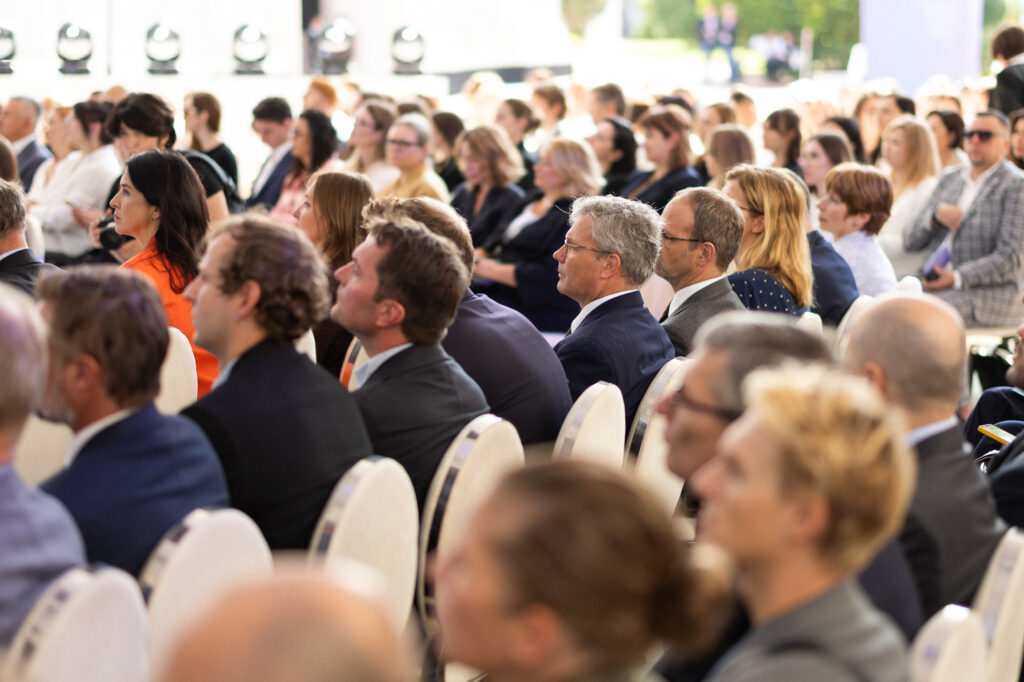
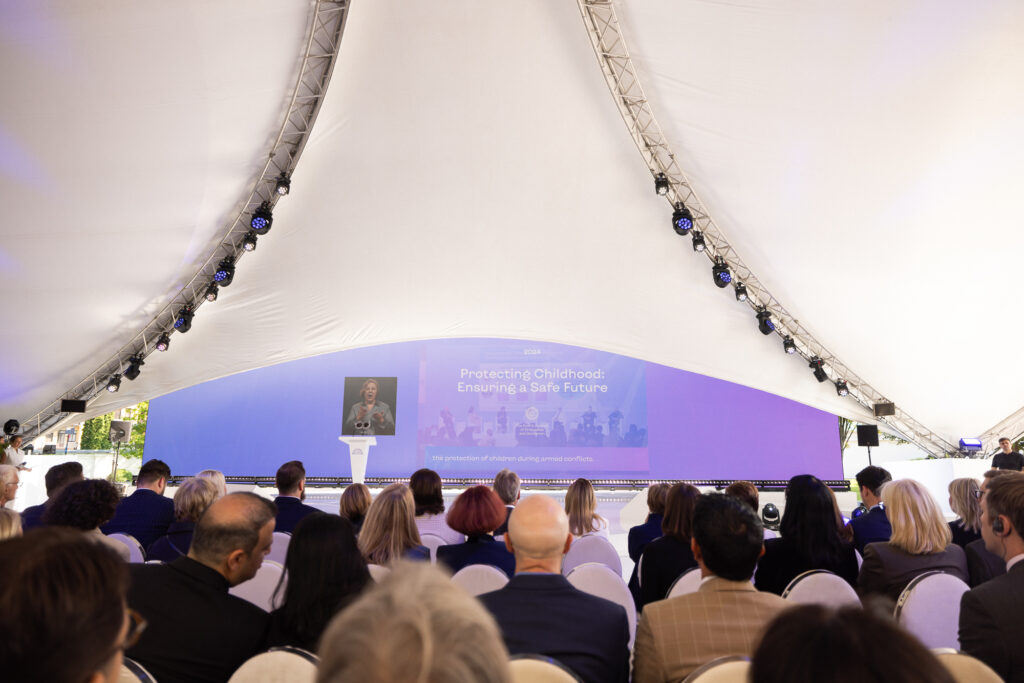
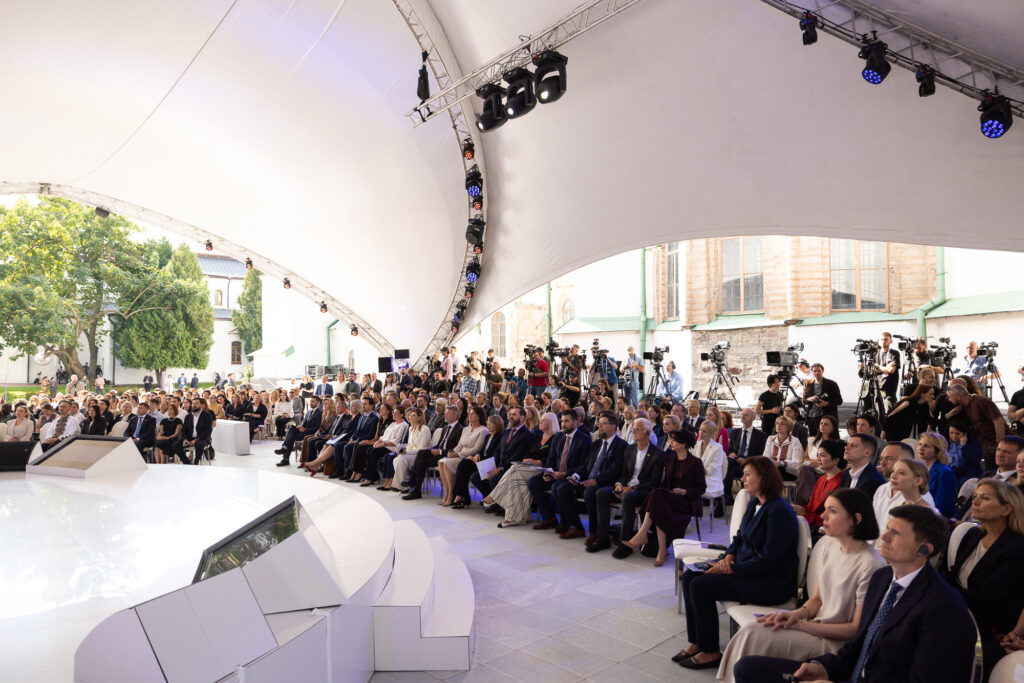
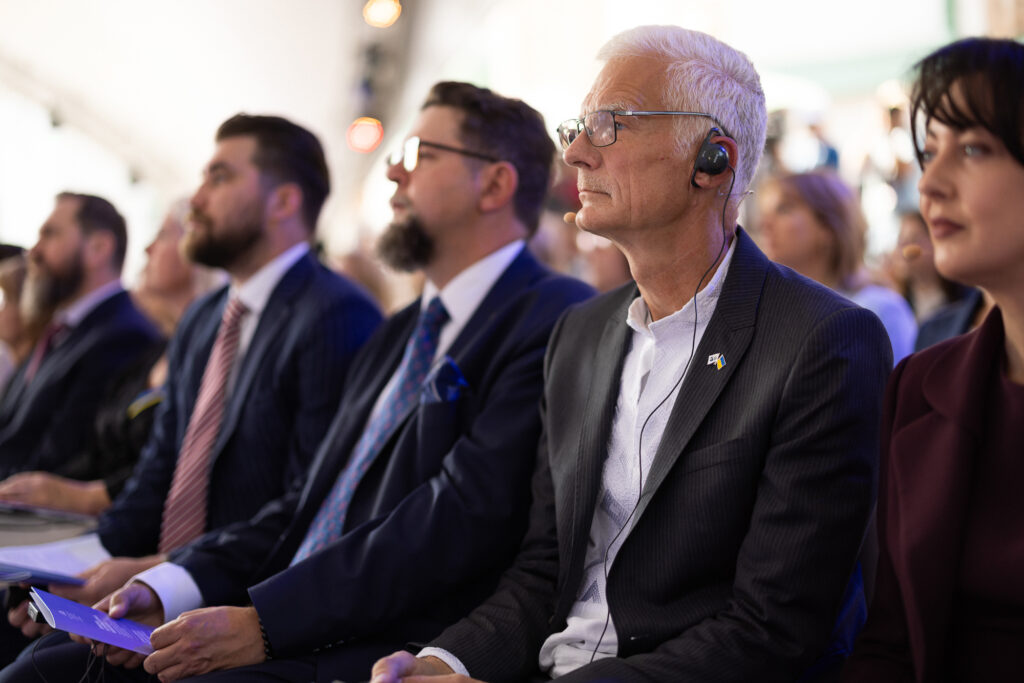
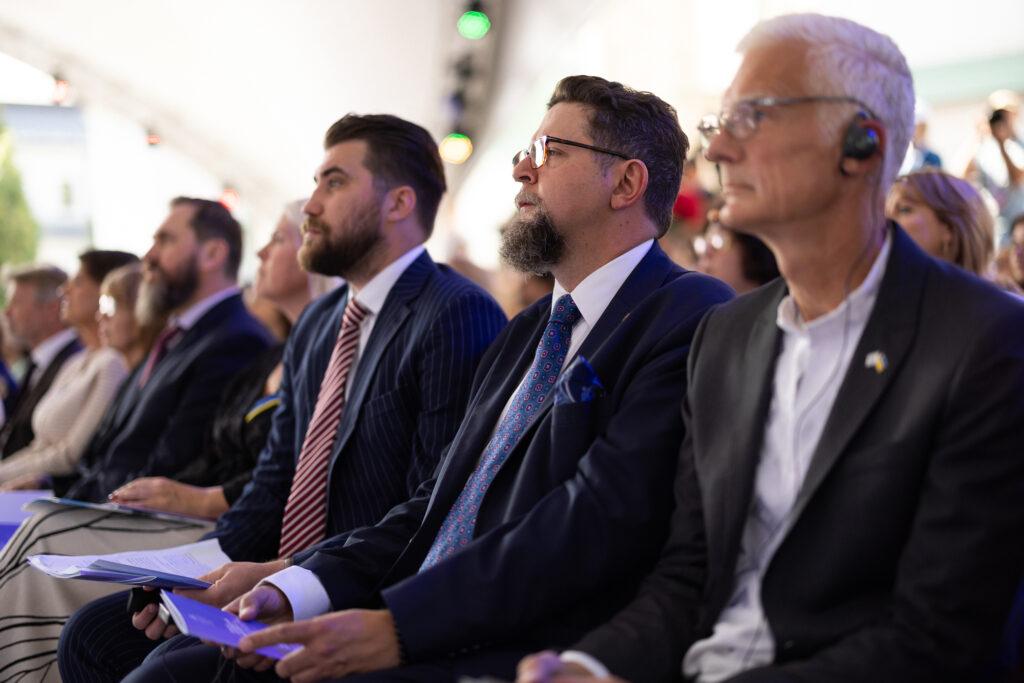
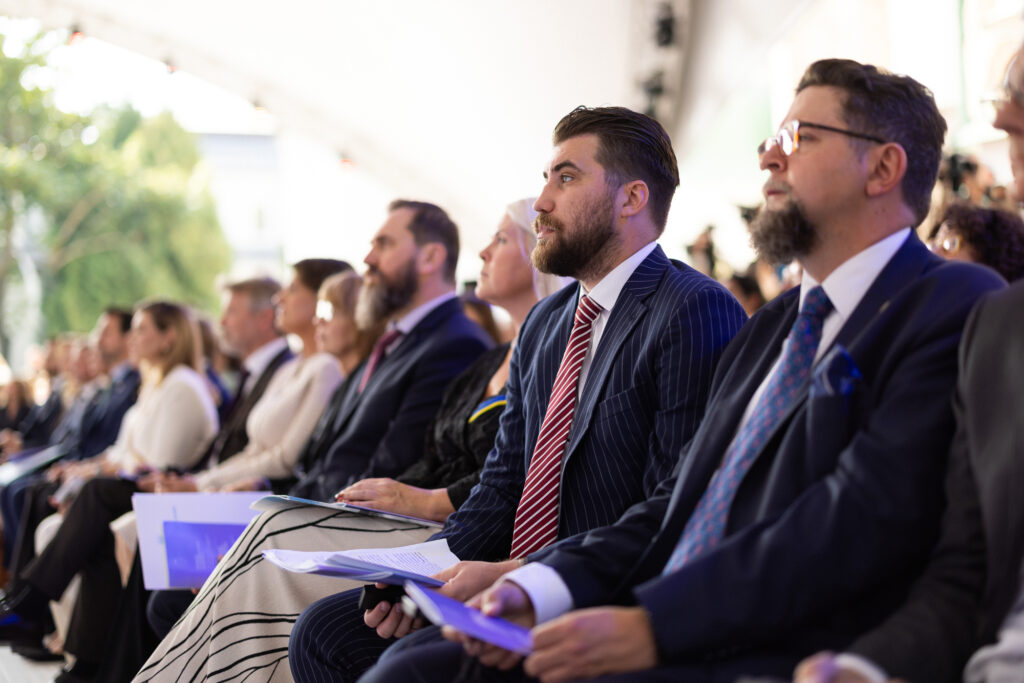
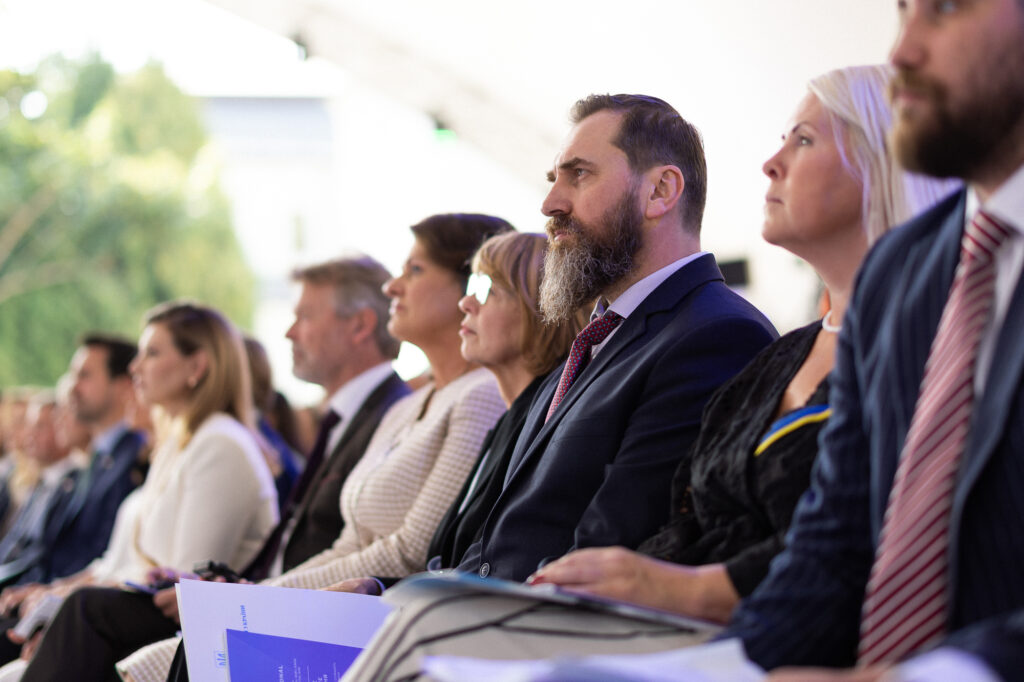
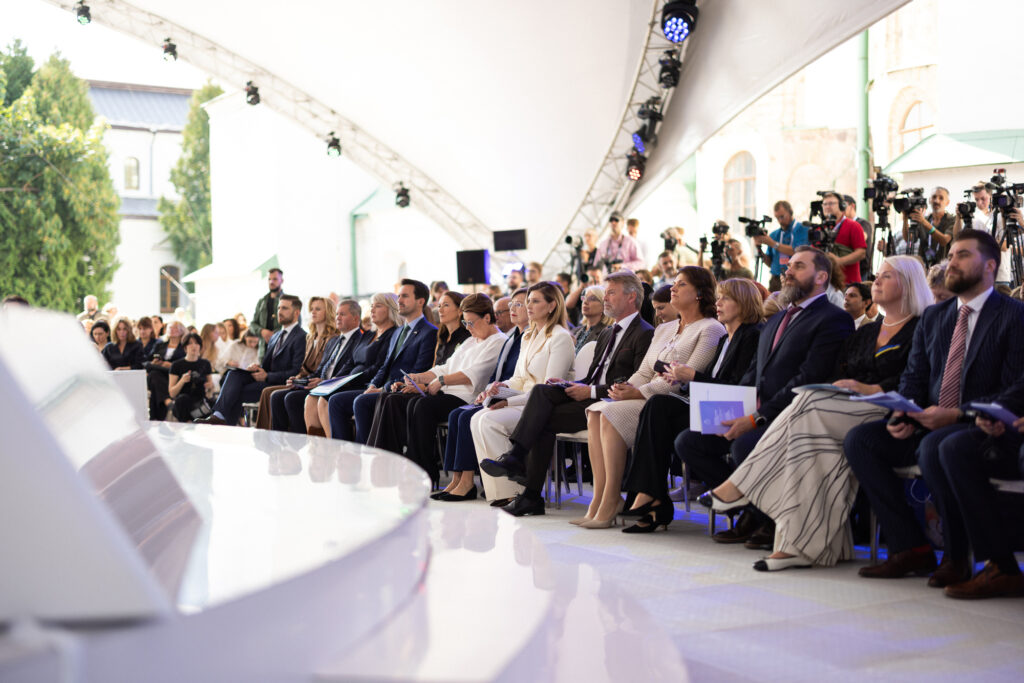
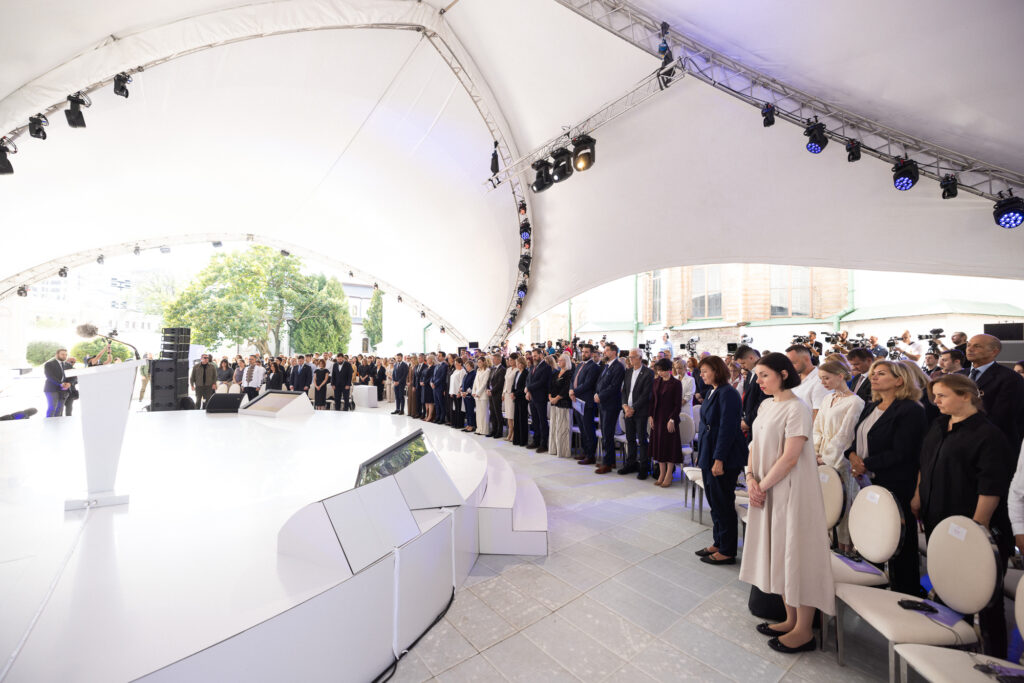
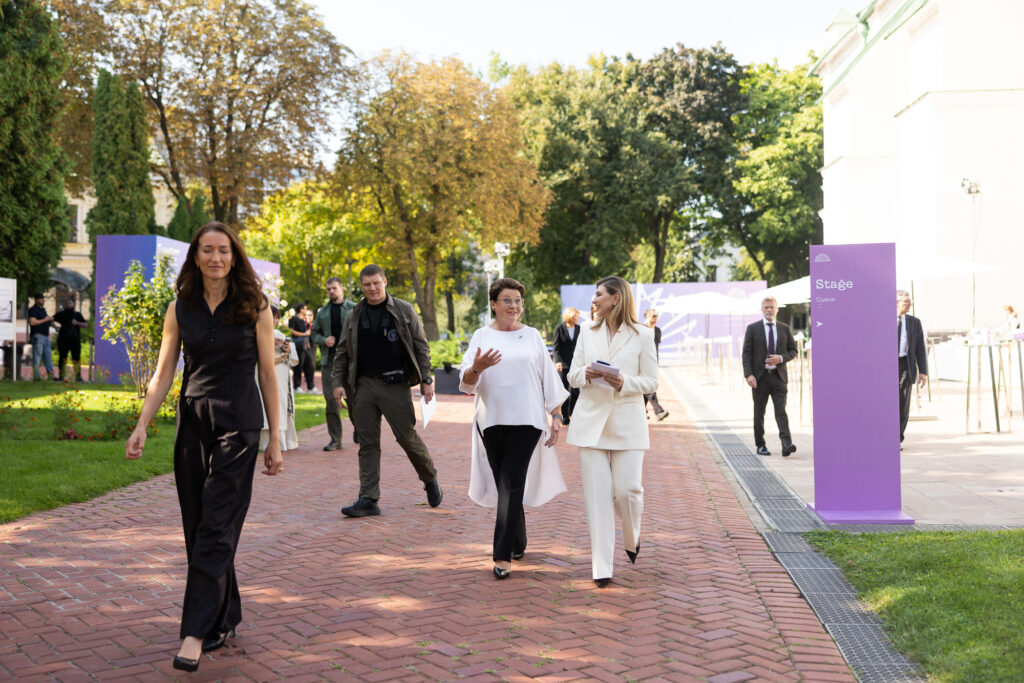
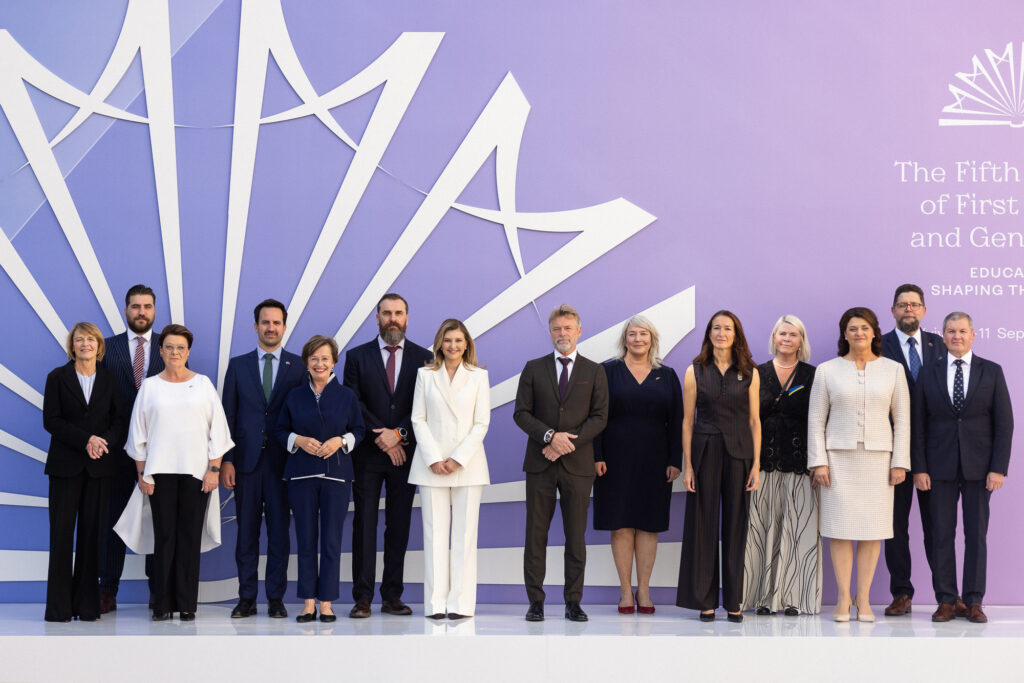
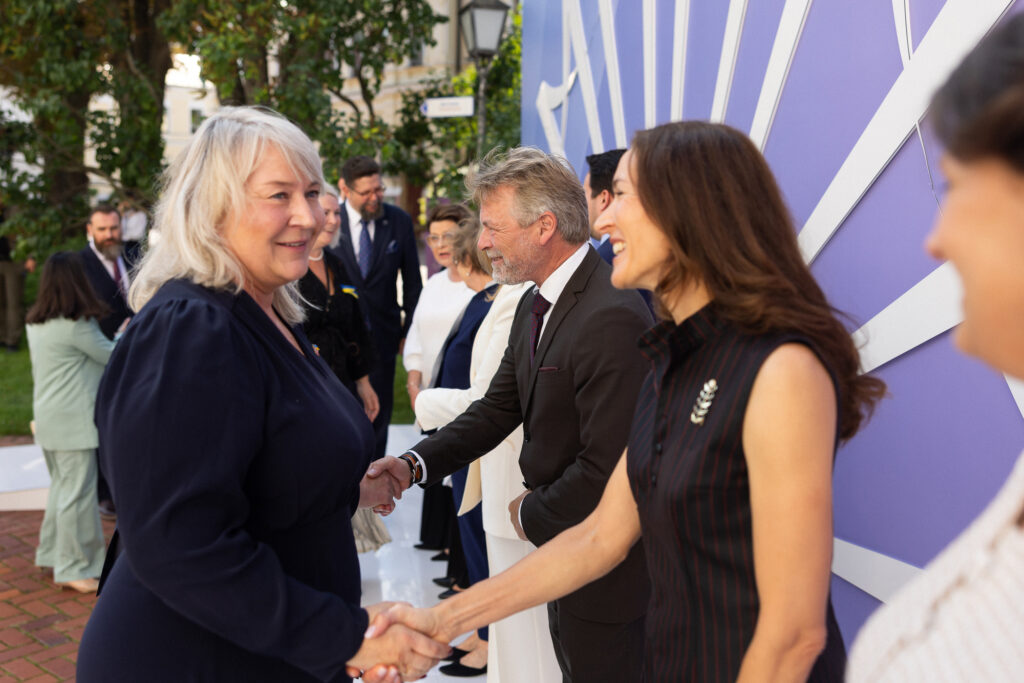
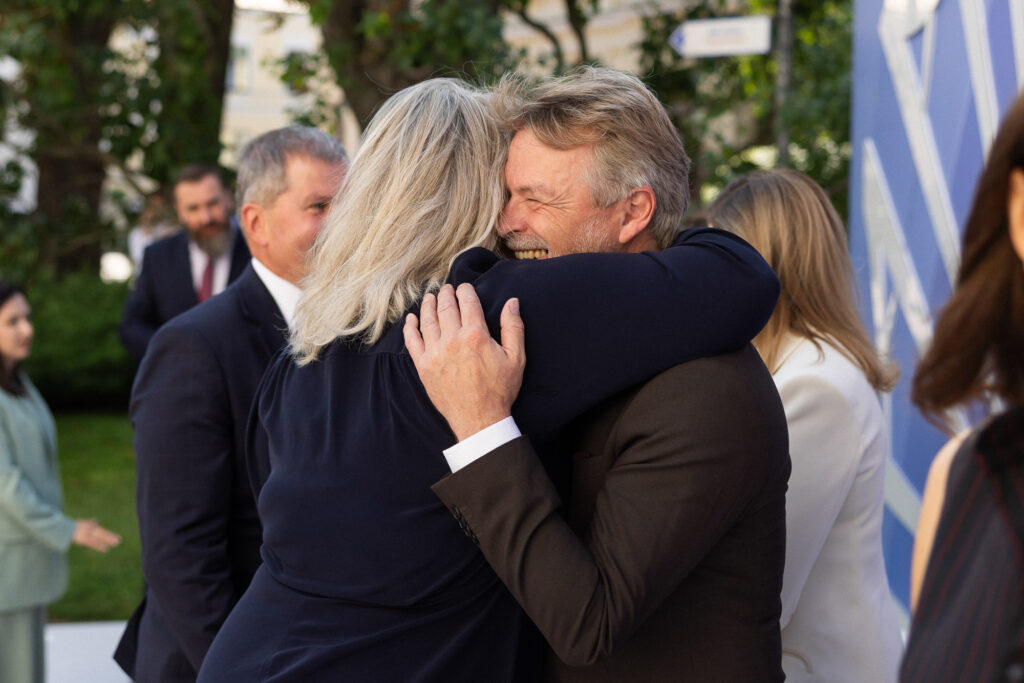
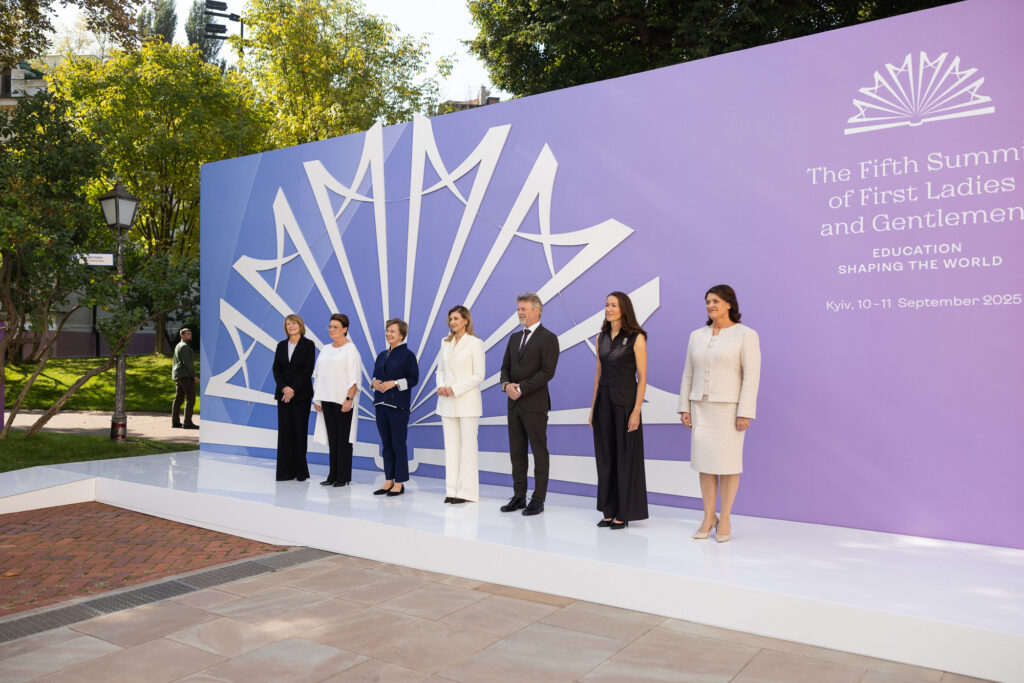
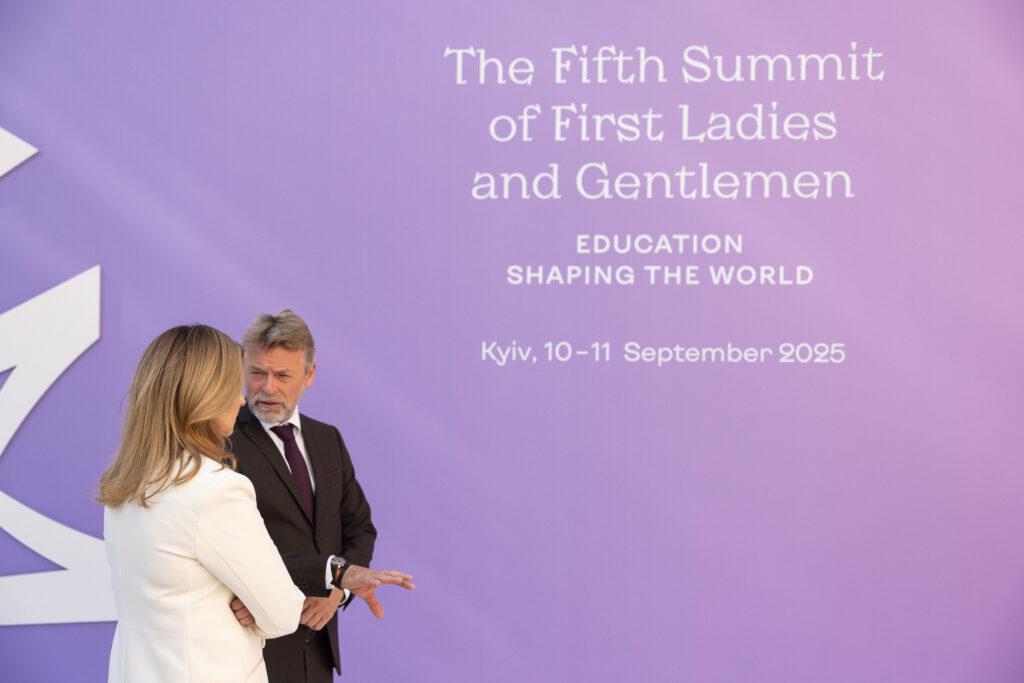
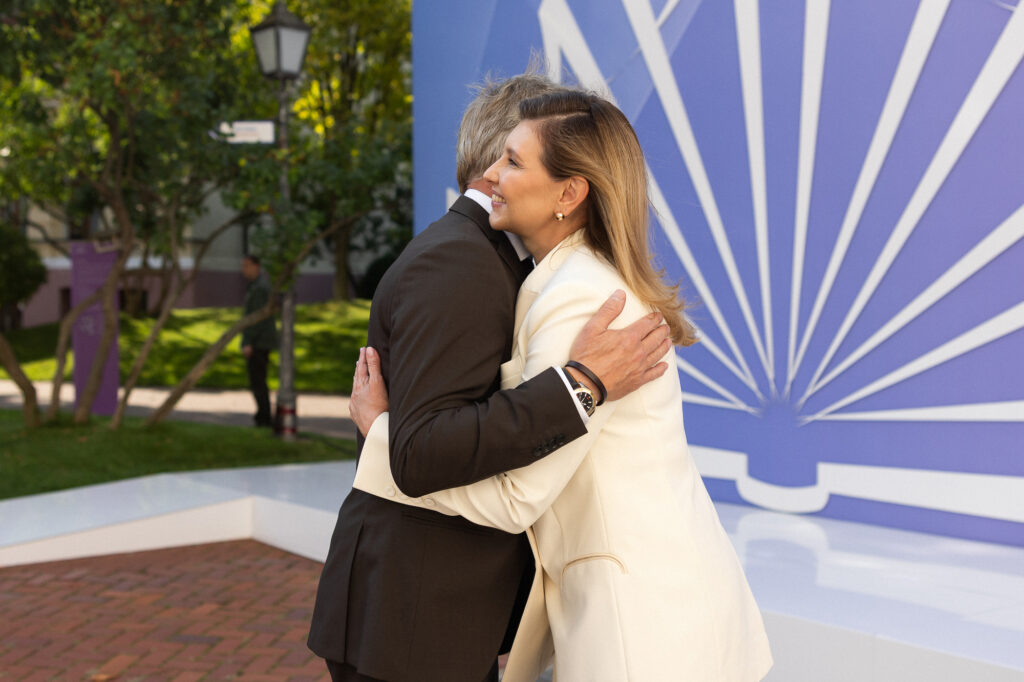
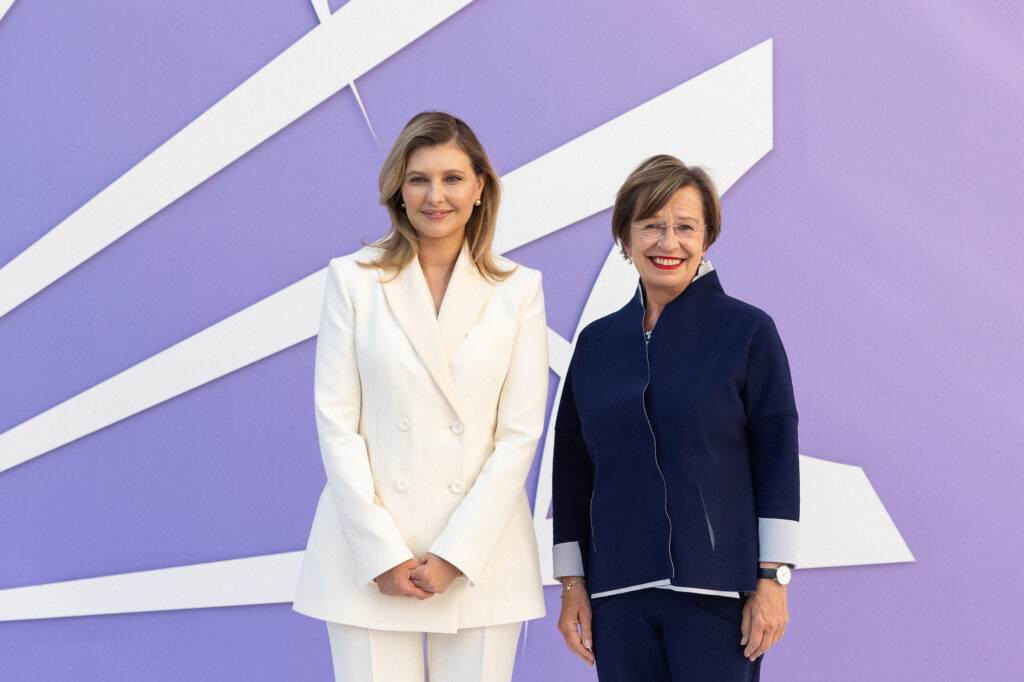
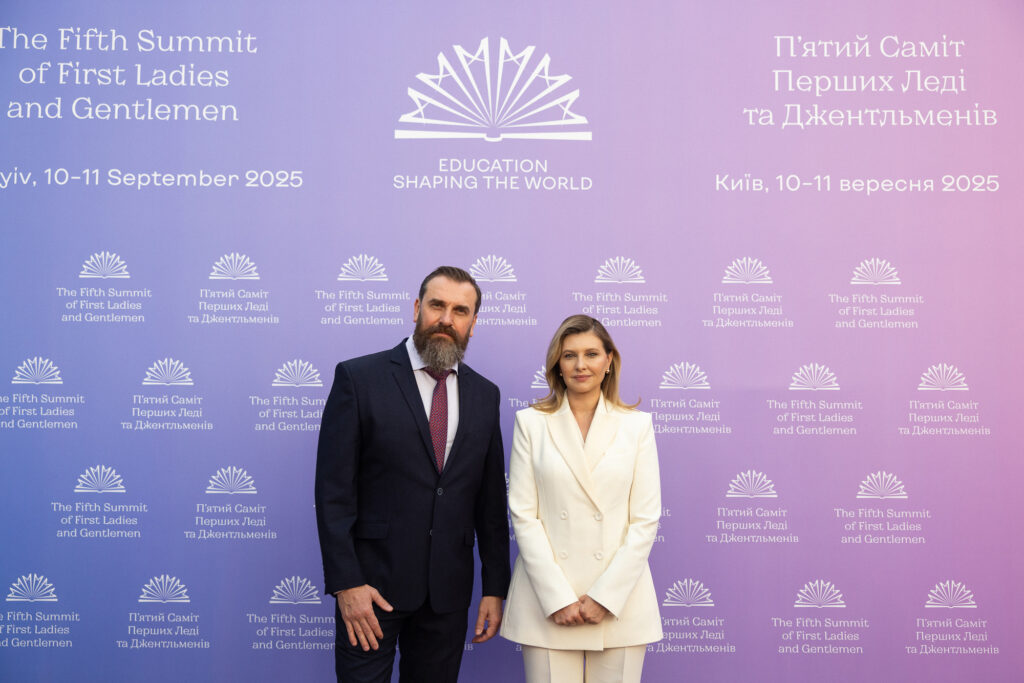
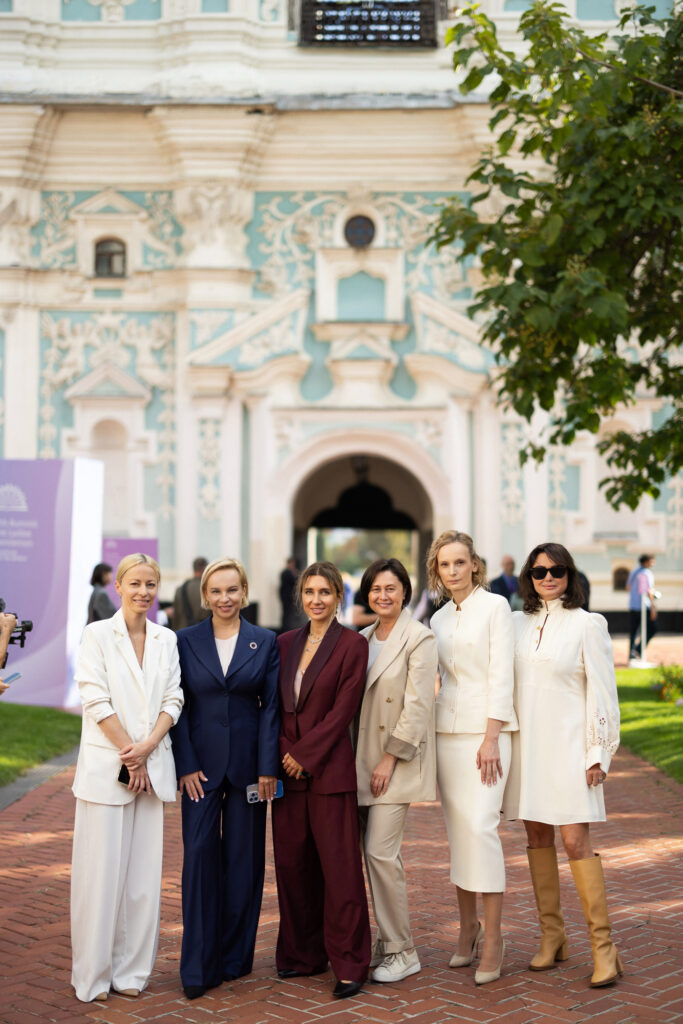
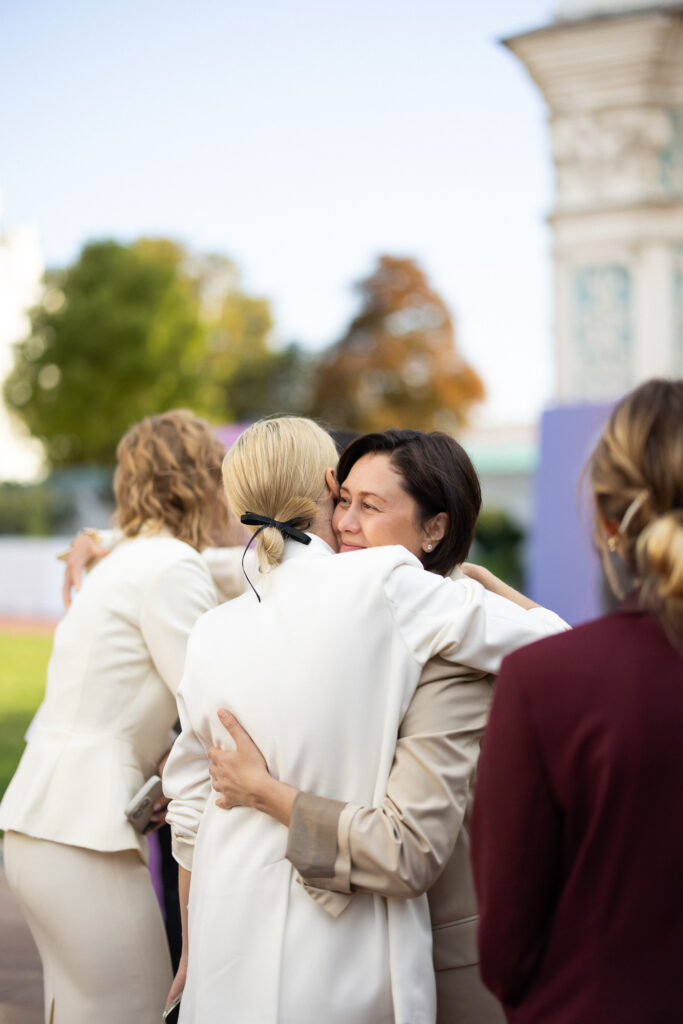
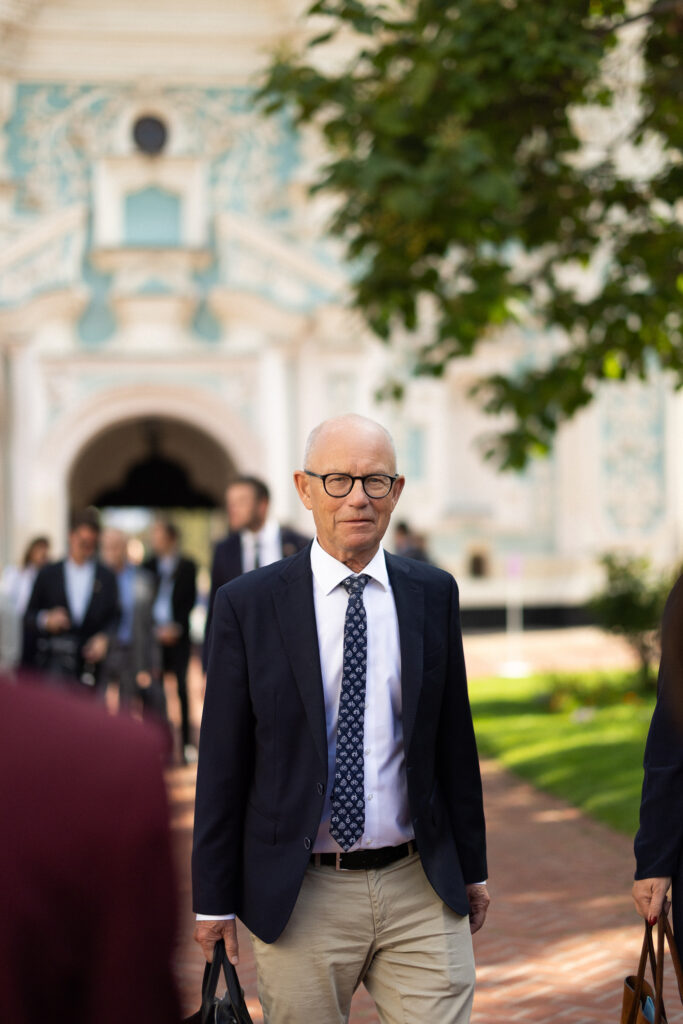
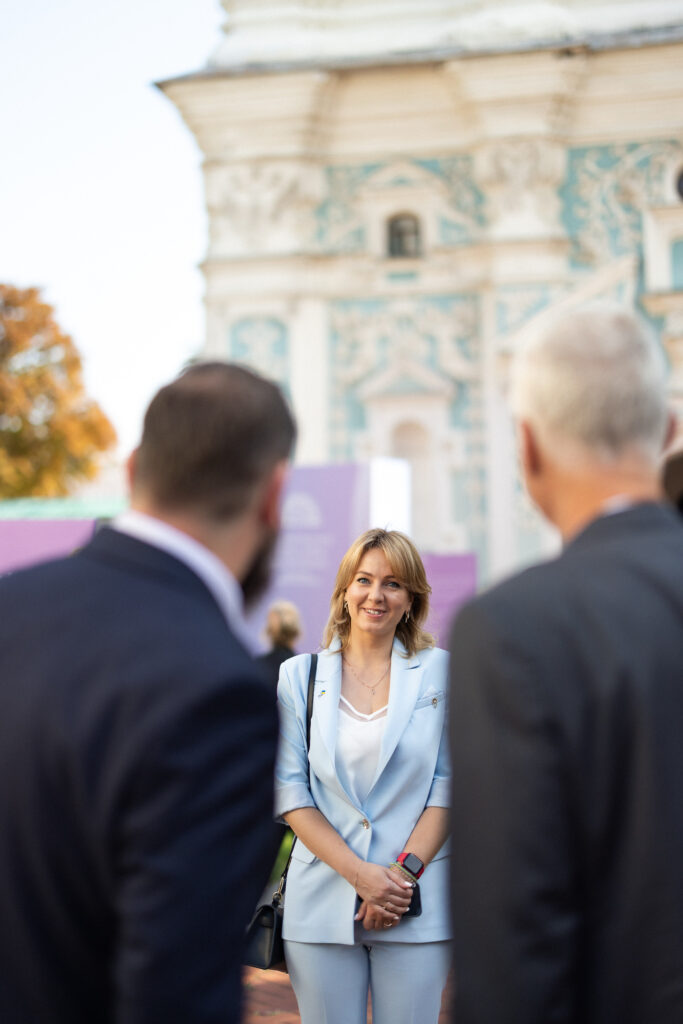
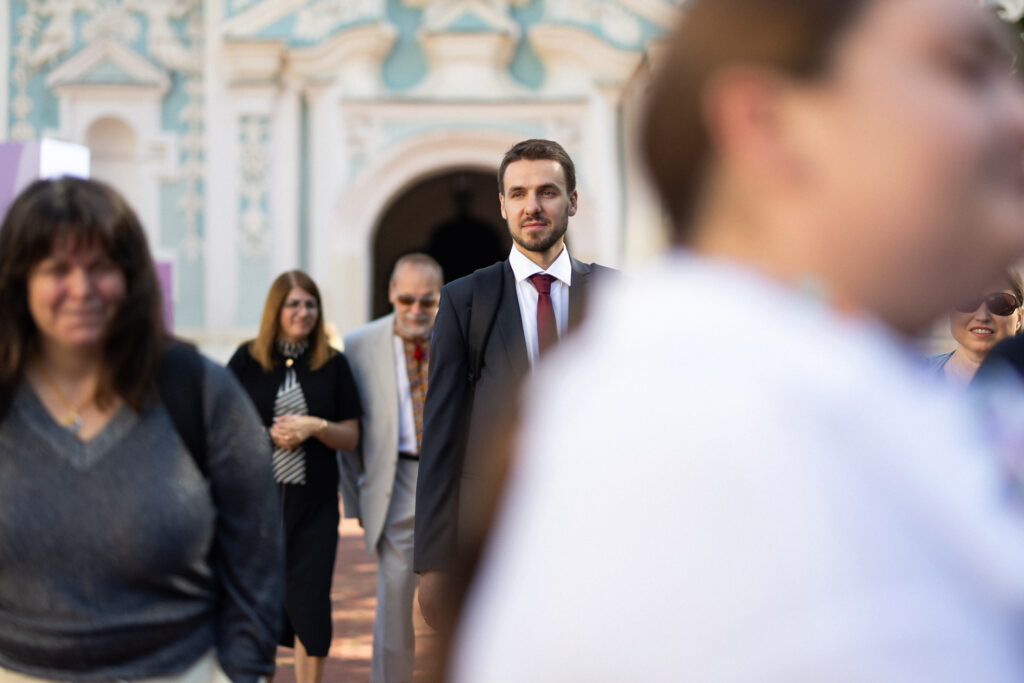
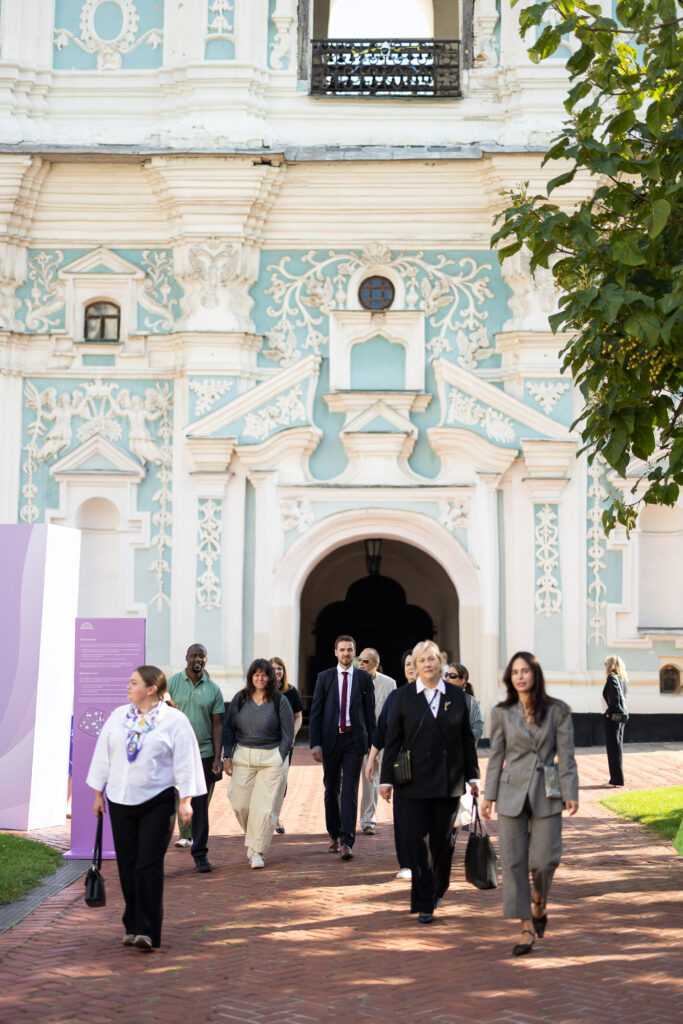
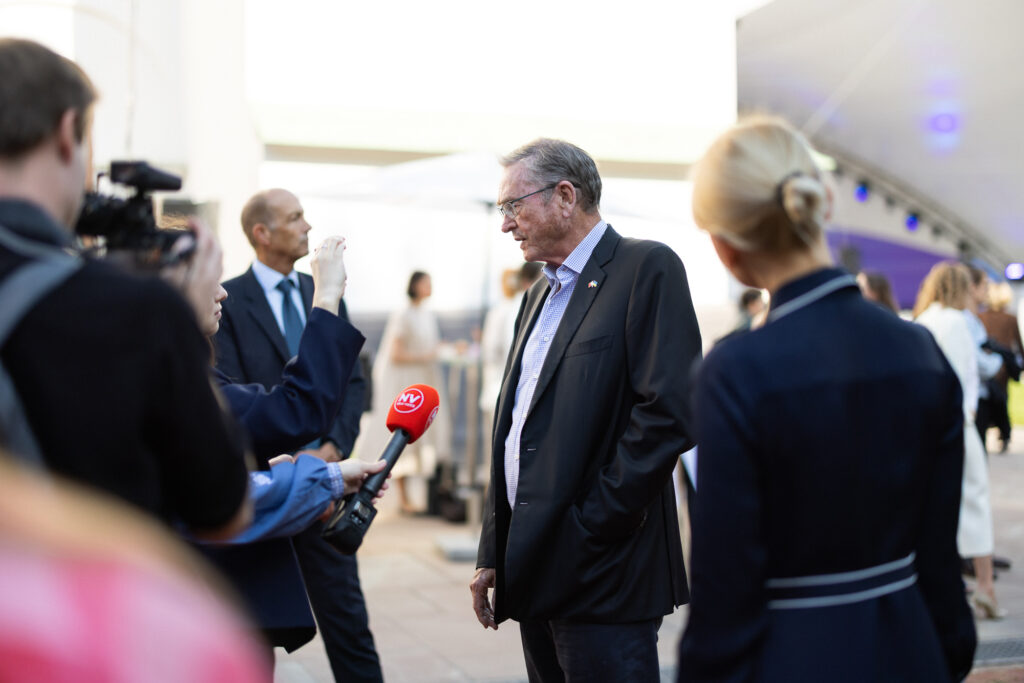
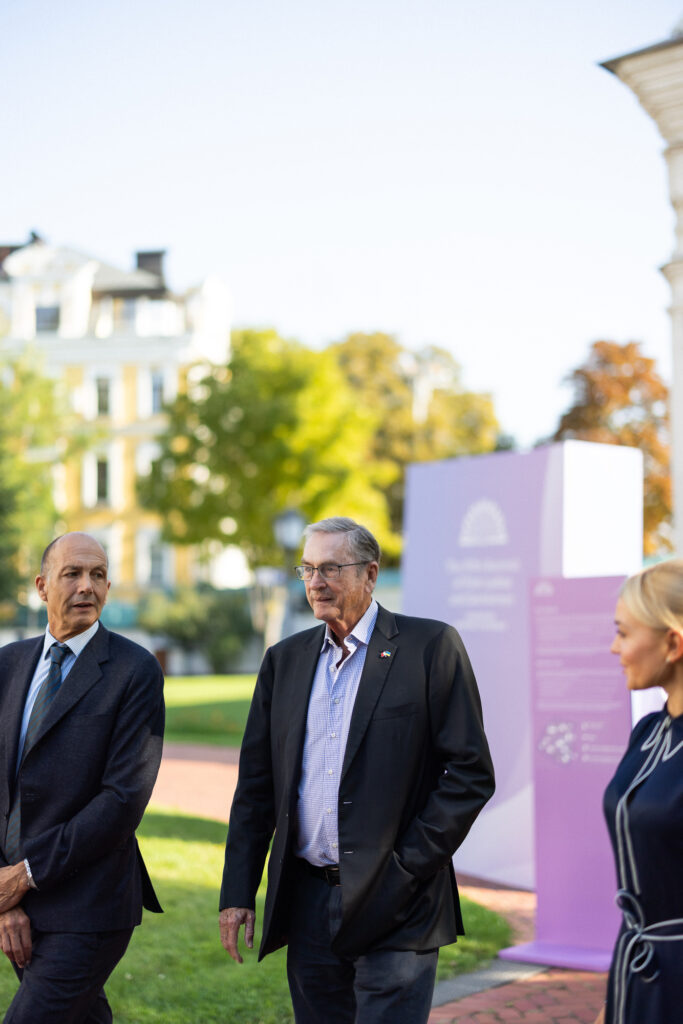
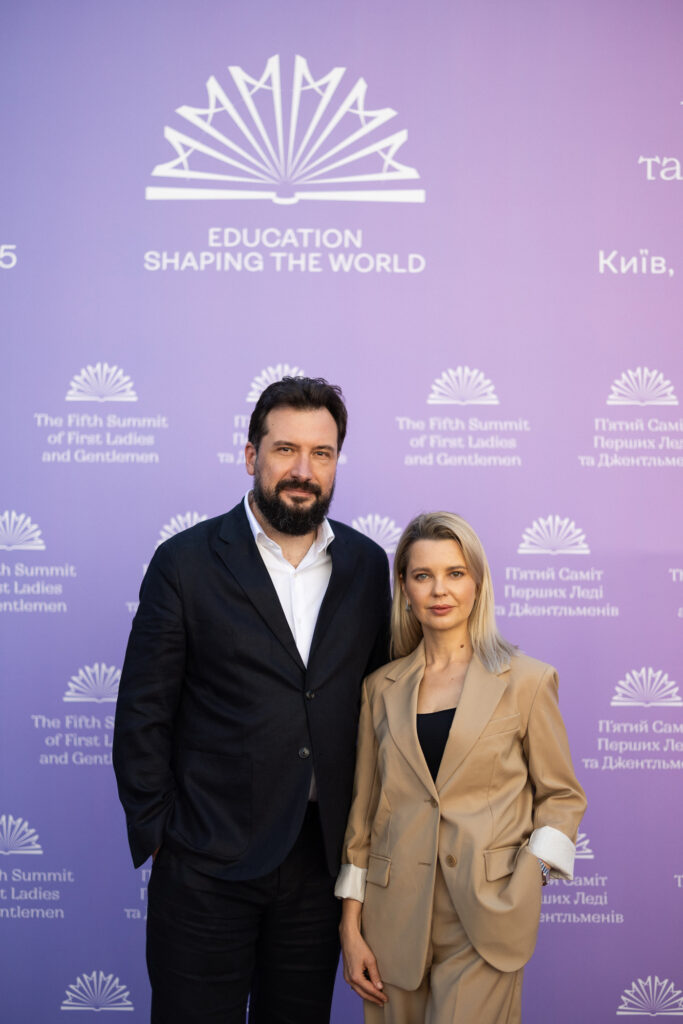
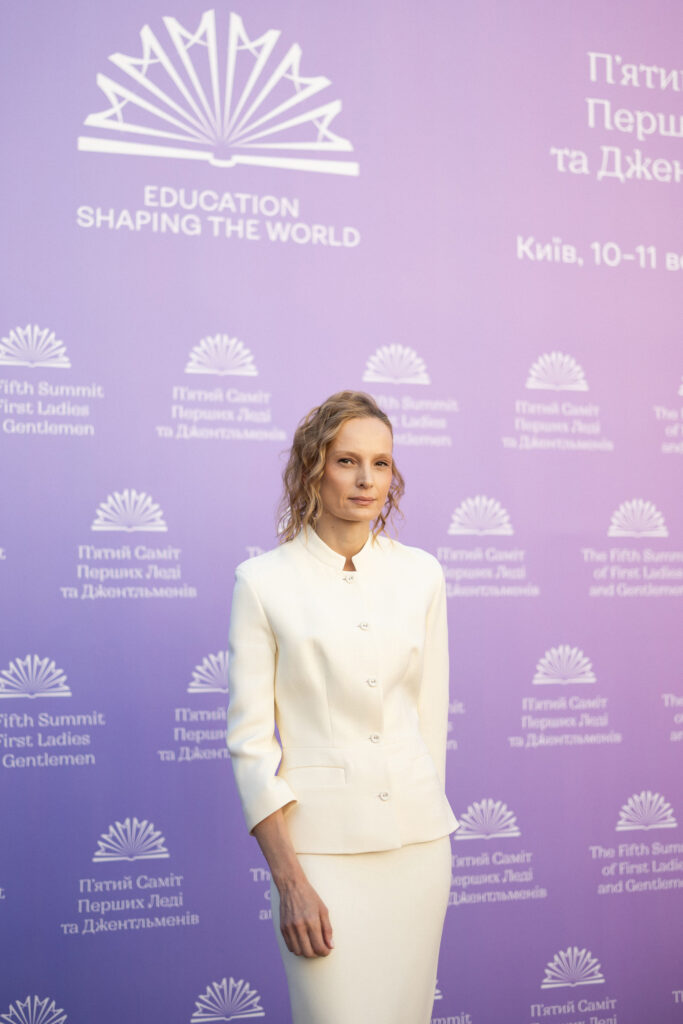
The 2025 Summit of First Ladies and Gentlemen became a global platform for discussing the future of the world — a future that begins with education. The event took place on 10–11 September 2025 and brought together more than 1,000 guests and participants from 20 countries, from Canada to the Republic of Korea.
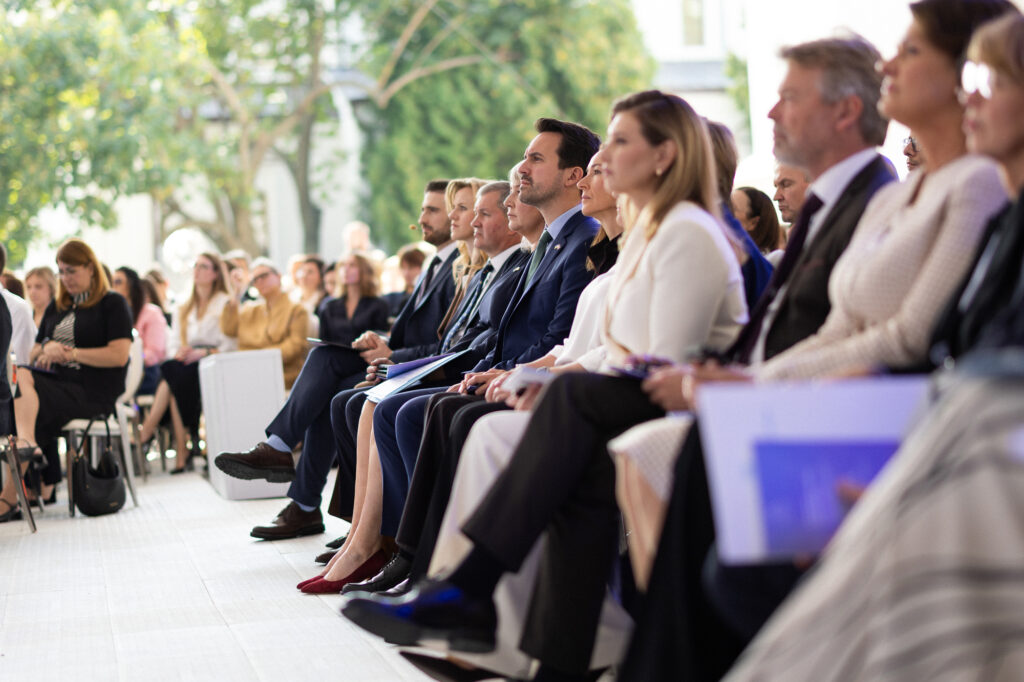
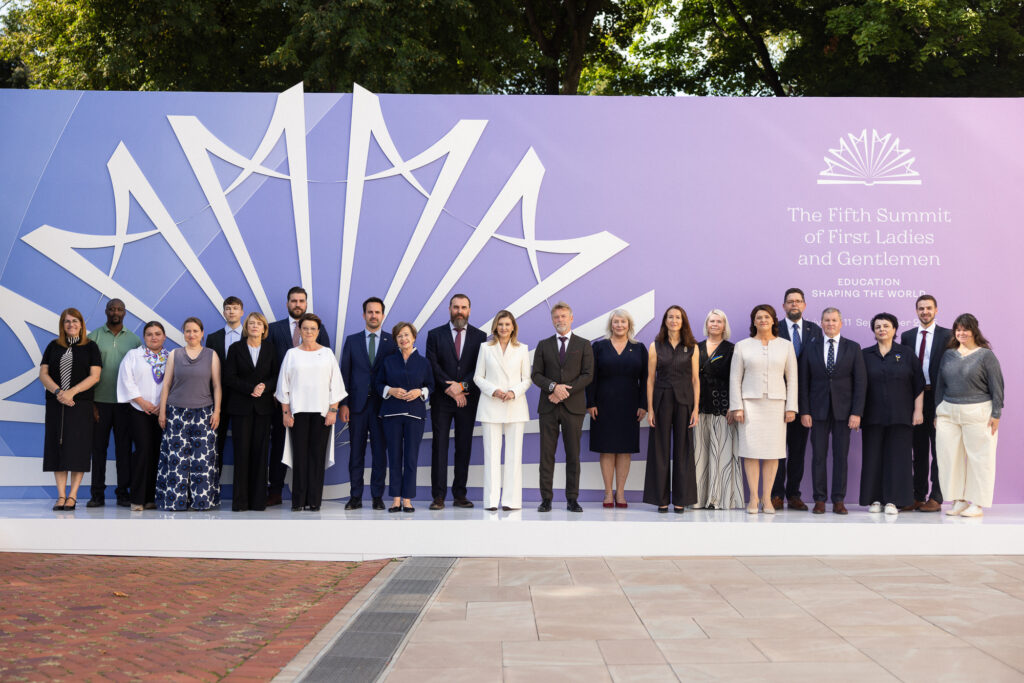
The Fifth Summit united 15 First Ladies and Gentlemen, 3 Nobel Peace Prize laureates, 7 Ministers of Education, two Presidents, teachers from 8 countries, and leading global thinkers. For the first time in the Summit’s history, the event was held over two days.
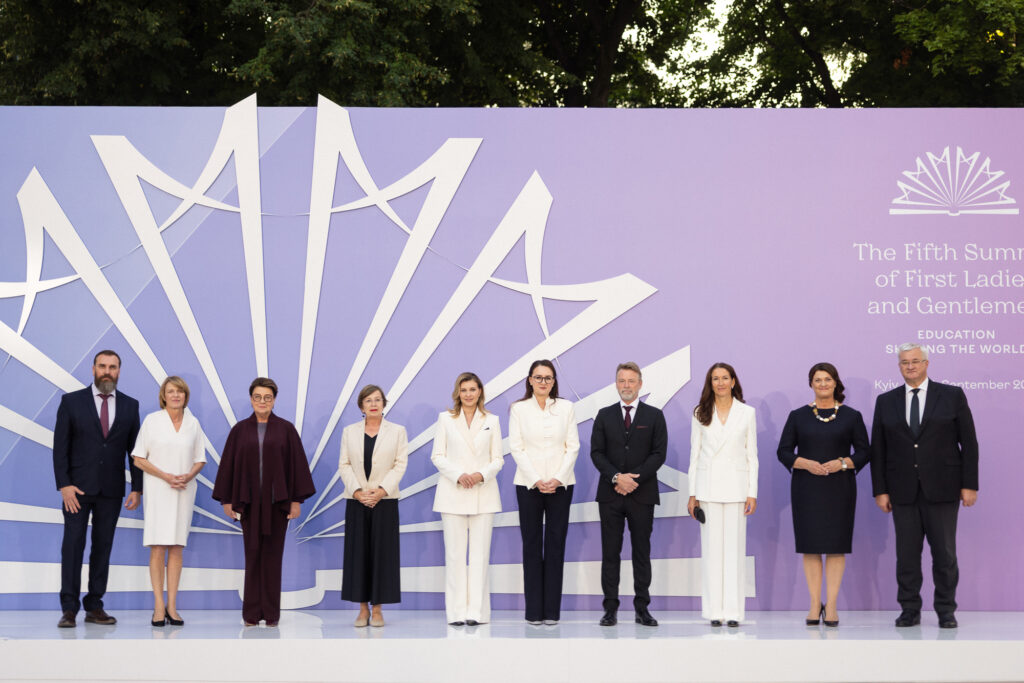
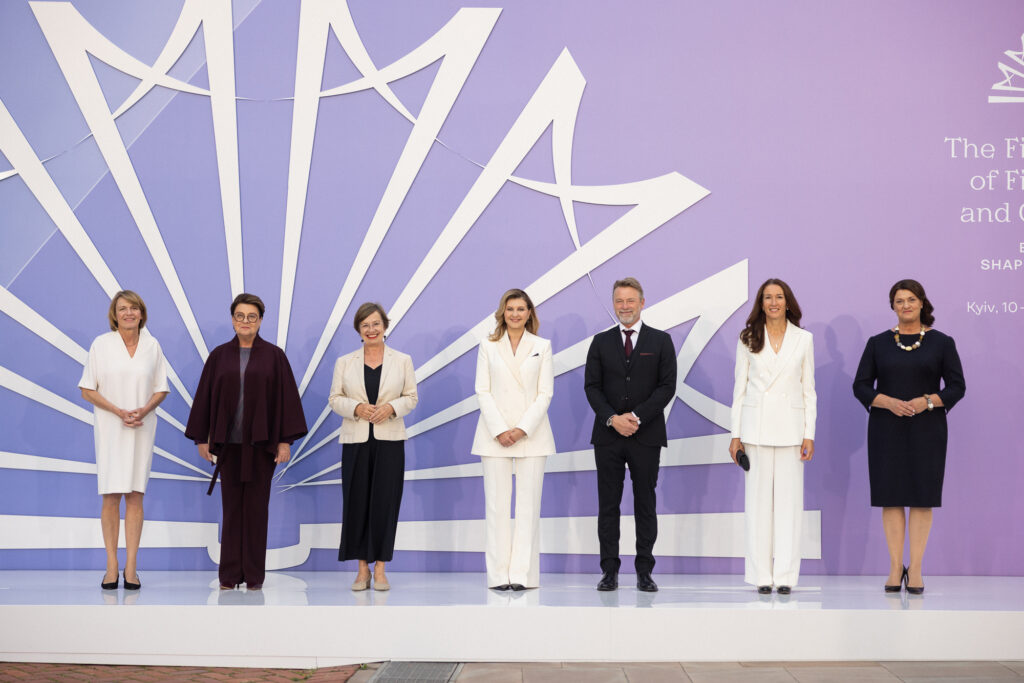
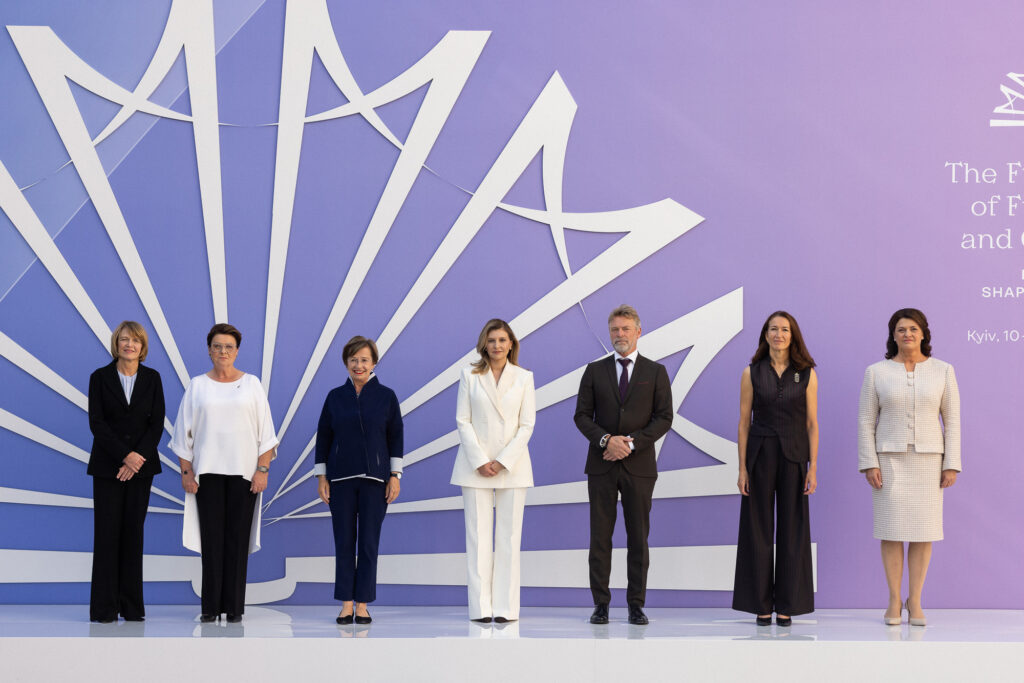
The Summit in Kyiv was attended by:
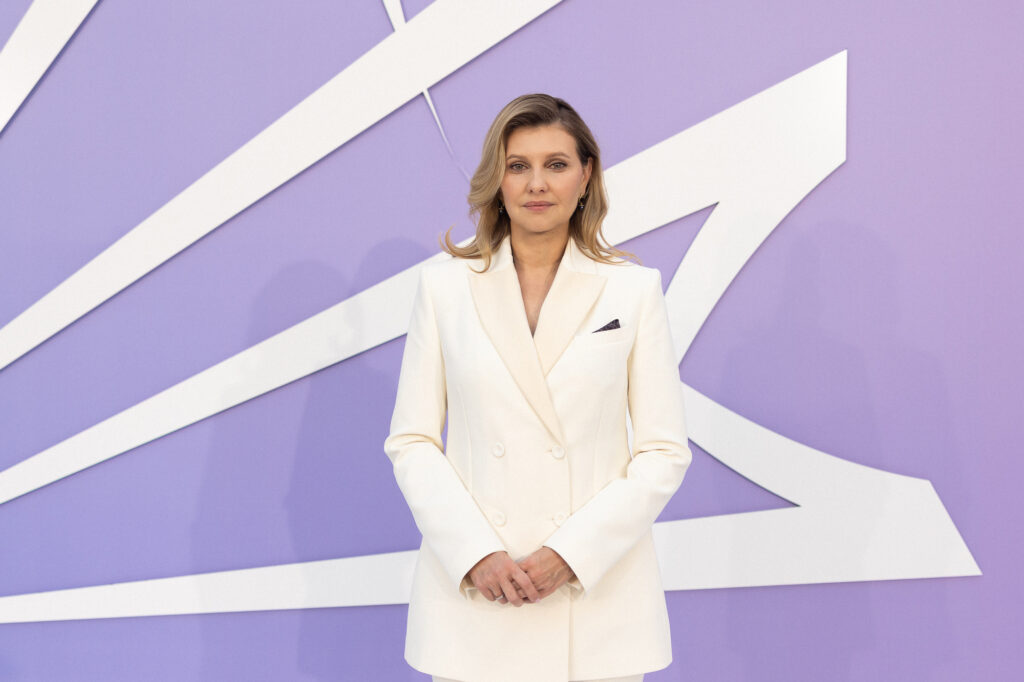
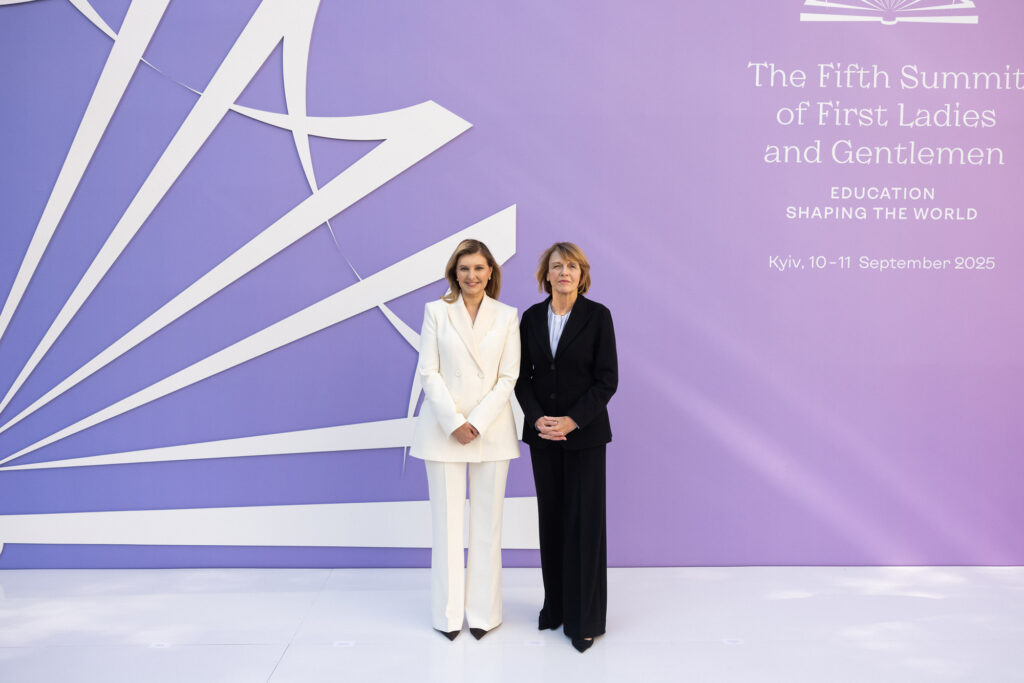
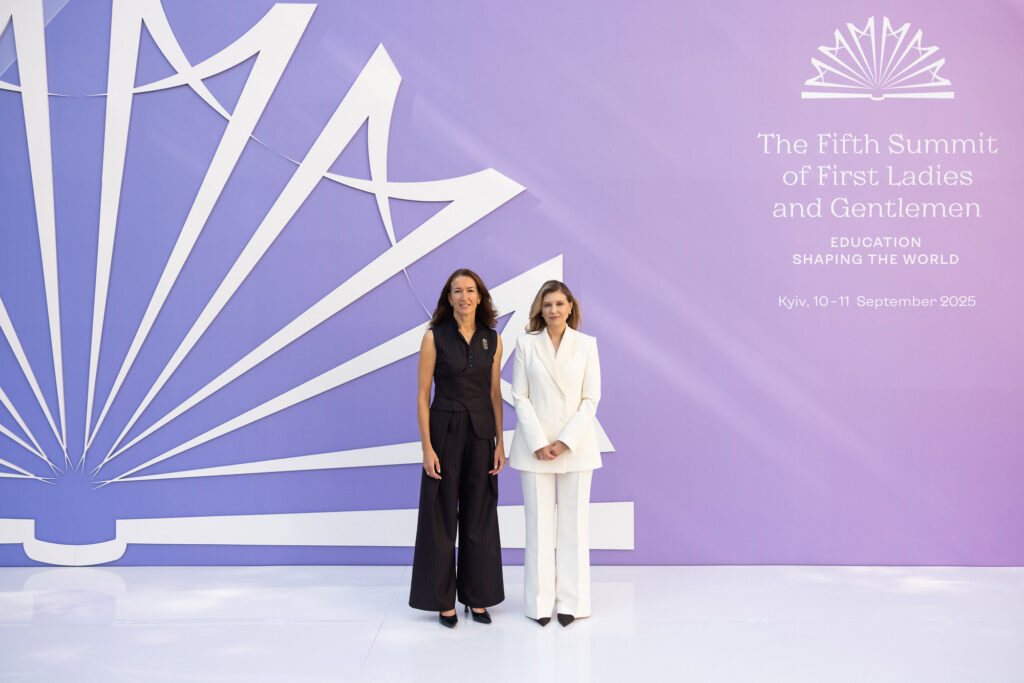
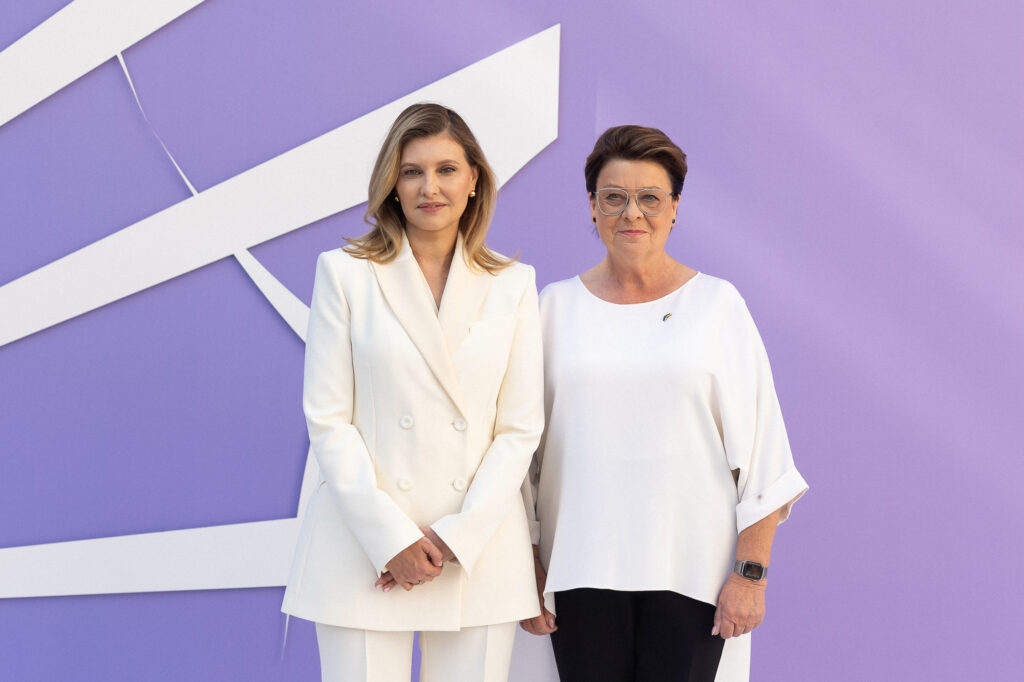
• First Lady of Ukraine Olena Zelenska,
• First Lady of Austria Doris Schmidauer,
• First Gentleman of Denmark Bo Tengberg,
• First Lady of Estonia Sirje Karis,
• First Lady of Finland Suzanne Innes-Stubb,
• First Lady of Germany Elke Büdenbender,
• First Lady of Lithuania Diana Nausėdienė,
• First Lady of Serbia Tamara Vučić (joined on the second day).
Joining online were:
• First Lady of Belize Rossana Briceño,
• First Lady of Guatemala Dr Lucrecia Peinado,
• First Lady of Israel Michal Herzog,
• First Lady of Poland Marta Nawrocka,
• First Gentleman of Slovenia Aleš Musar,
• First Lady of Sweden Birgitta Kristersson Ed,
• First Lady of Türkiye Emine Erdoğan.
Support was also expressed by Queen Silvia of Sweden and Yoshiko Ishiba, the wife of the Prime Minister of Japan.
The Fifth Summit became a platform for a global dialogue on education shaping the world and the joint efforts for the future. During this event, we invited our participants and guests to look at education as a process of discovery that shapes each person’s worldview and, as a result, determines the models of world order and the formation of global values. The kind of world we live in, and will continue to live in, depends on what humanity studies and what it learns.
We focused on:
• Access to Education
• Teaching
• Innovation in Education
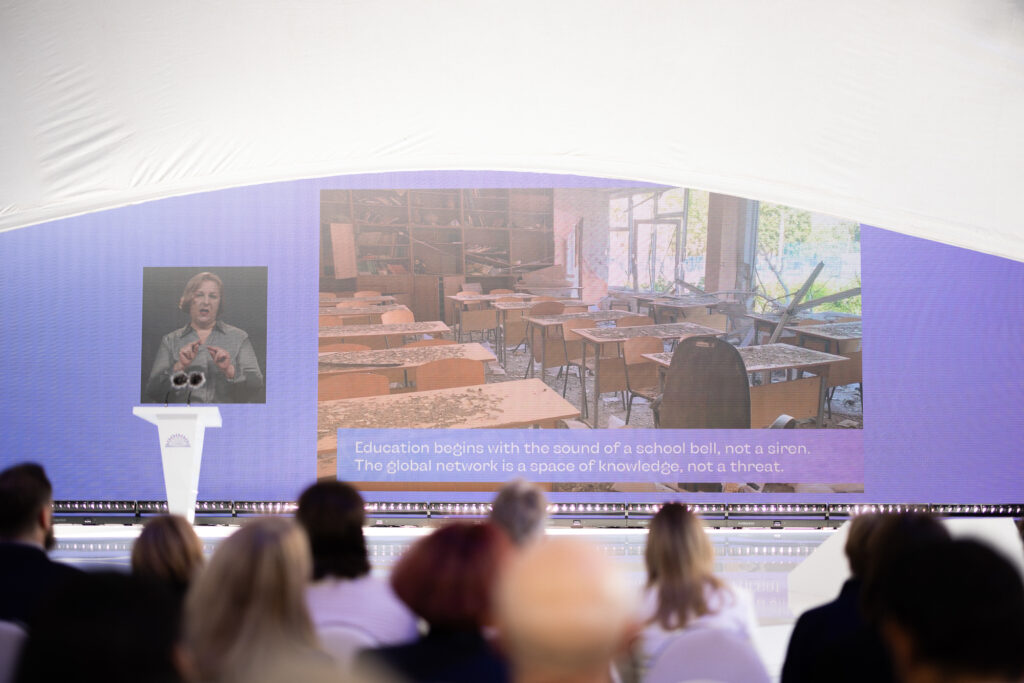
• The Role of Education in Promoting Peace and Humanitarian Values
Watch the broadcast of the panel discussions on our YouTube channel!
Access to Education: Leaving No One Behind
Access to Education: Leaving No One Behind
This dimension offered a broader global perspective on how equitably the right to education is upheld across the world, how it is influenced by cultural, religious, and geographical contexts, as well as wars and human-caused disasters; it also explored the solutions each individual country brings forward to the world.
Objective: to underscore that access to education is a fundamental right for every individual, regardless of geography, status, or personal circumstances. To encourage governments and communities to act collectively so that no child is deprived of learning opportunities. It is especially vital to stress that during armed conflicts, including in Ukraine, denied education means lost development potential for the entire state.
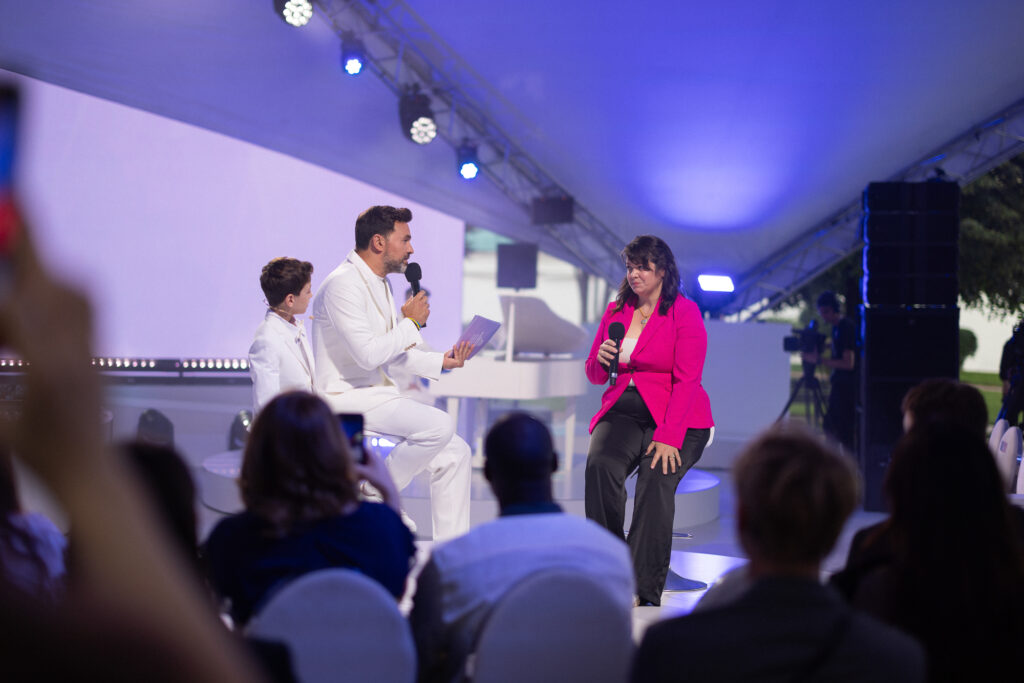
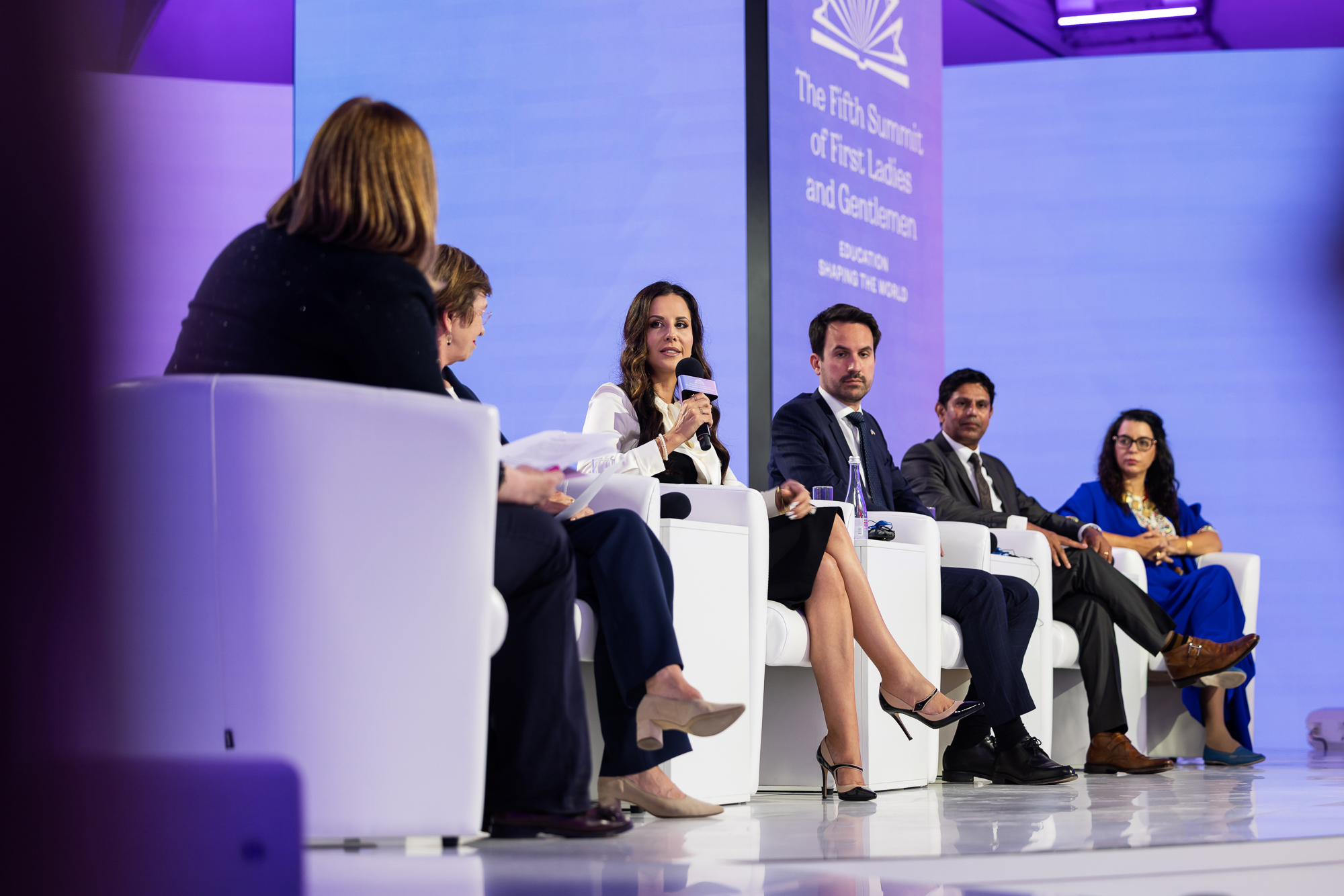
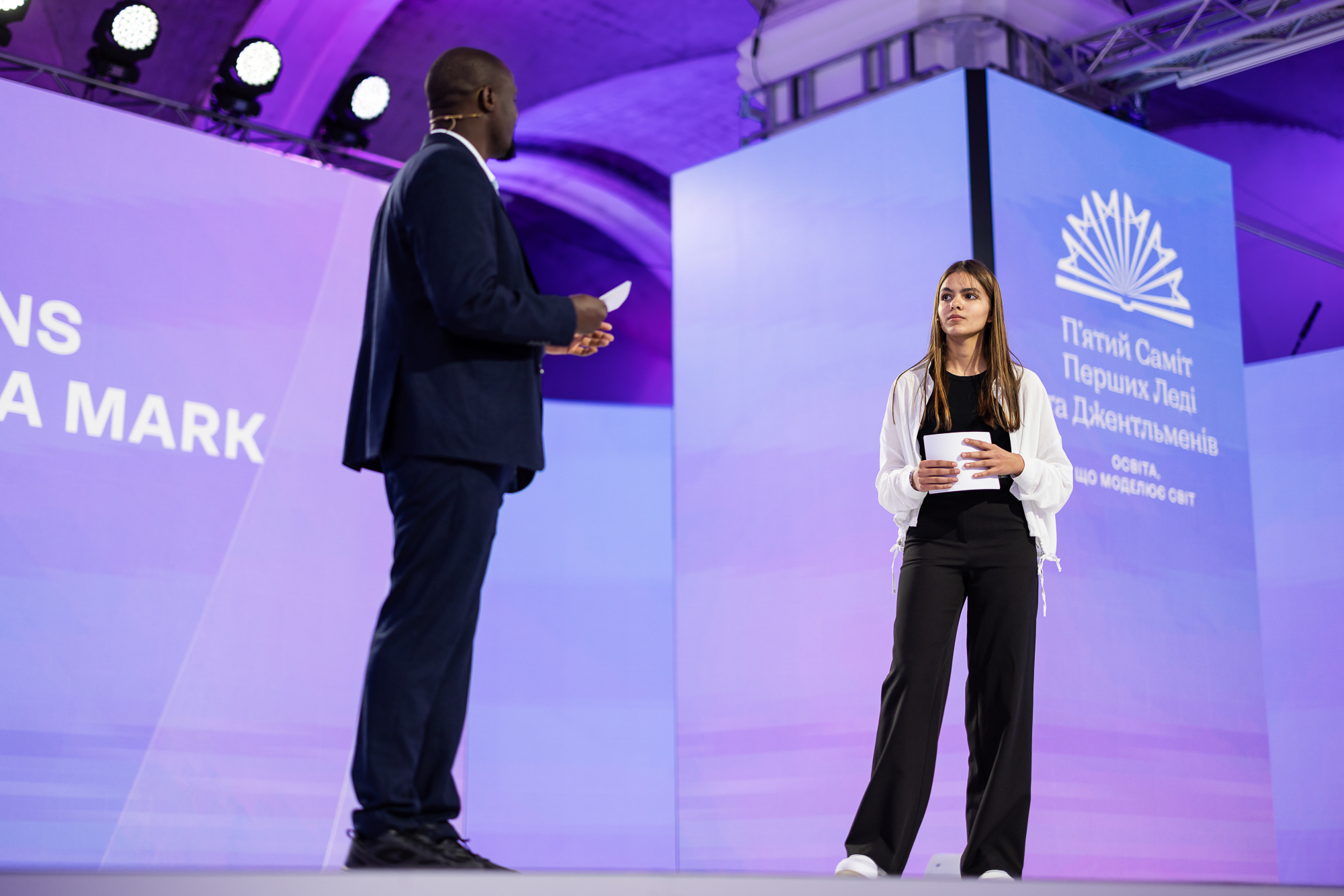
As part of the event, two panel discussions were held, moderated by Sarah Brown, Chair of the charity Theirworld and First Lady of the United Kingdom (2007–2010):
• The ‘Education as a Global Marker of Equality: Lessons from the Past’ discussion – where speakers included the First Ladies of Lithuania and Germany, the Minister of Education and Science of Ukraine, UNICEF Global Director of Education Pia Rebello Britto, and Global Partnership for Education Regional Manager Marco Mantovanelli.
• The ‘Shifts in the Geopolitical Landscape: Less Support, More Responsibility – An Uncertain Future’ discussion – where participants included the First Ladies of Austria and Serbia, Federal Minister for Education of Austria, International Finance Facility for Education CEO Karthik Krishnan, and Education Outcomes Fund CEO Amel Karboul.
Teaching

Teaching
As a calling and a process that guides us throughout our lives.
Vasyl Sukhomlynsky, a great Ukrainian educator, said: ‘A teacher creates a Human,’ emphasising that it is through teaching, the transmission of meanings, and the development of the child’s inner world that individuals are formed, capable of thinking, building, and creating something new.
Objective: to affirm the importance of the teaching profession and to encourage teachers to always remember that they lay the foundations and shape the values of individuals who go on to create this world.
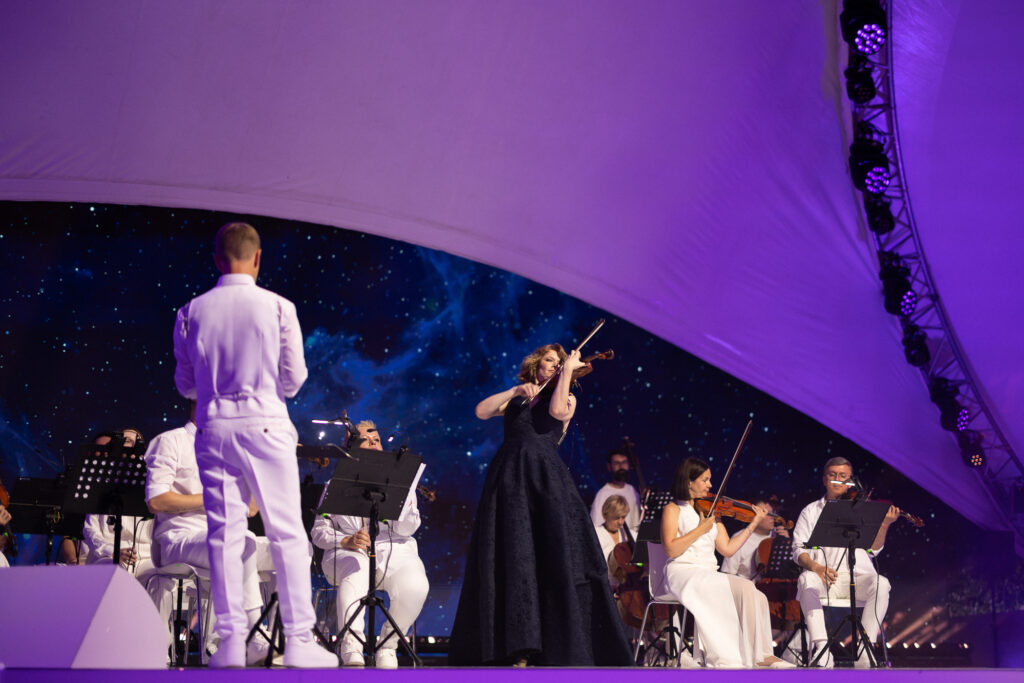
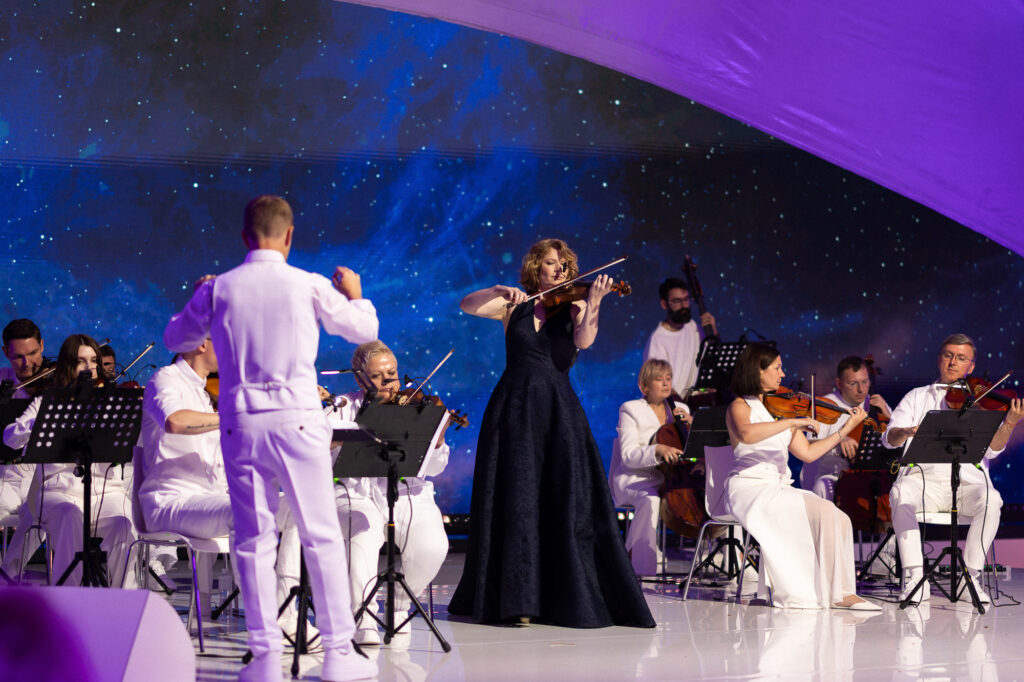
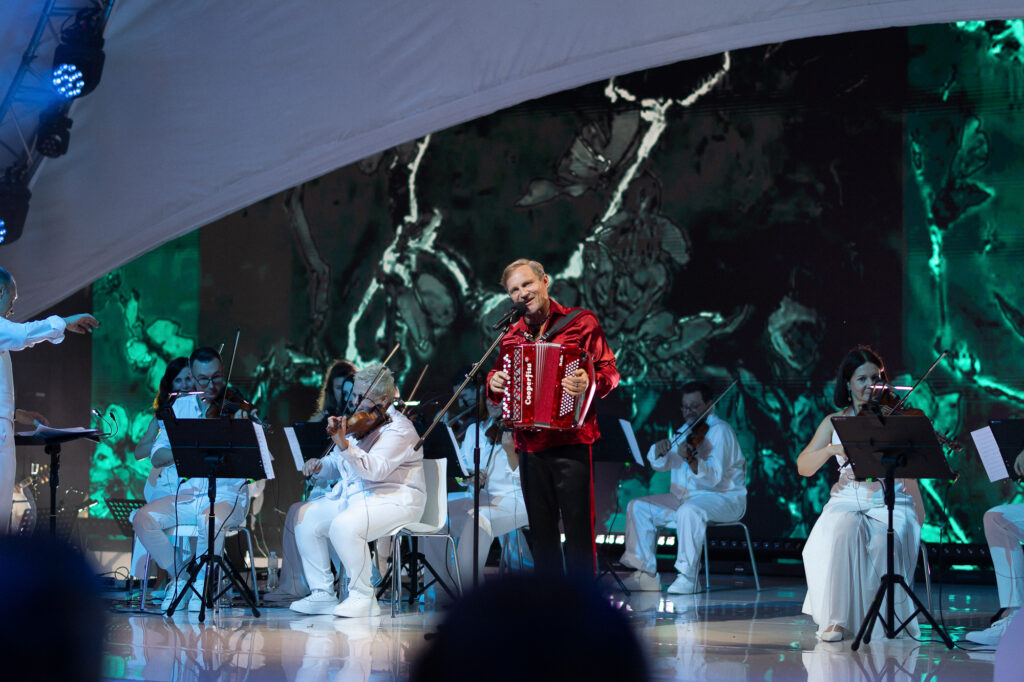
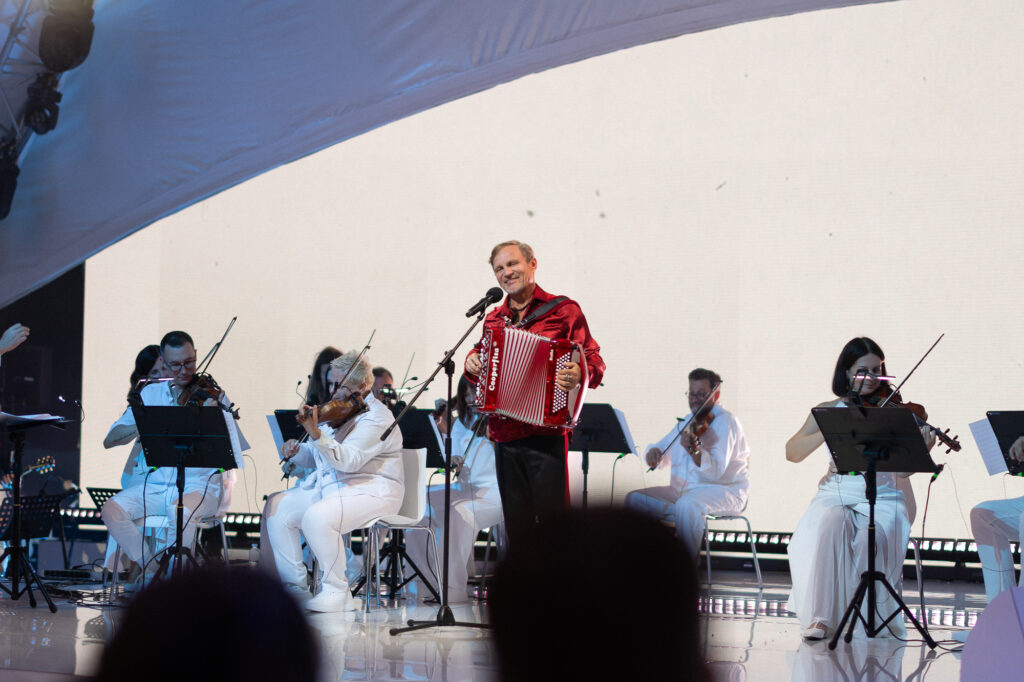
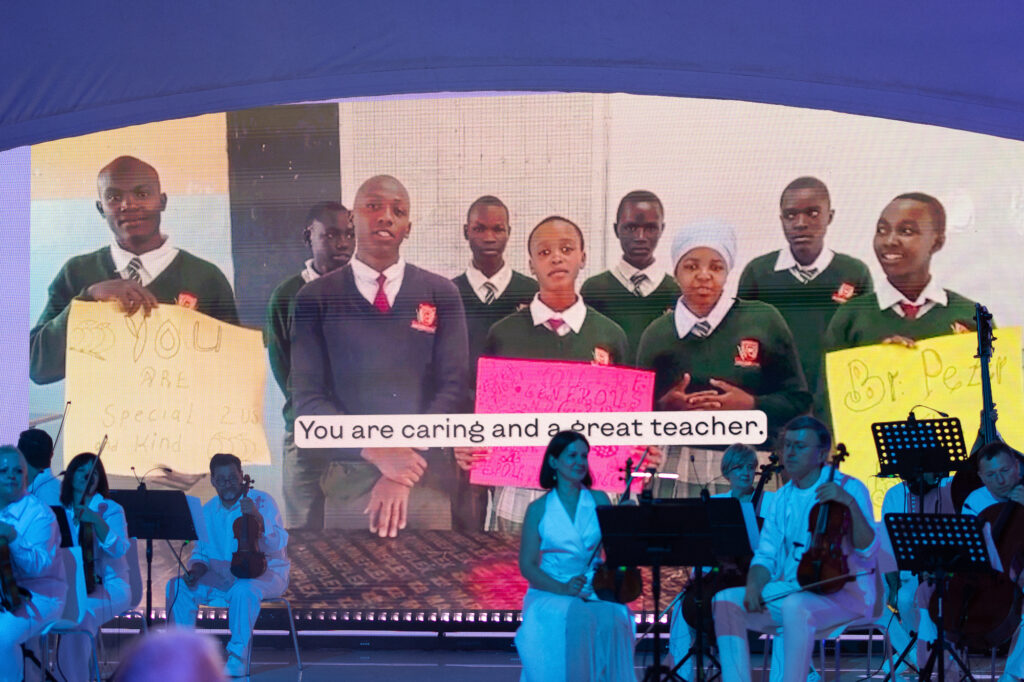
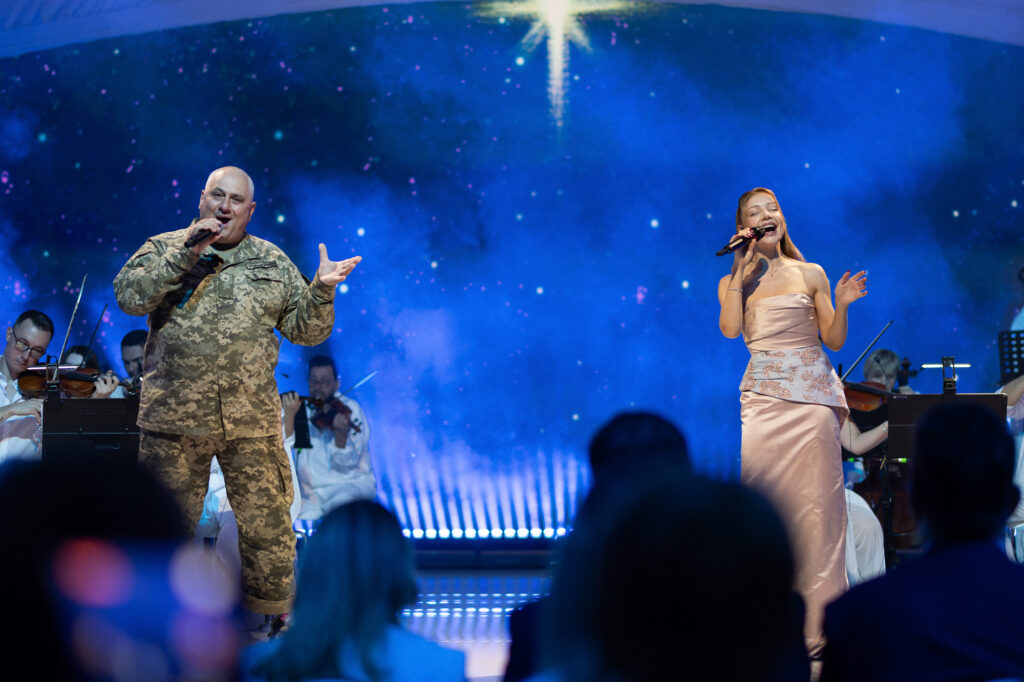
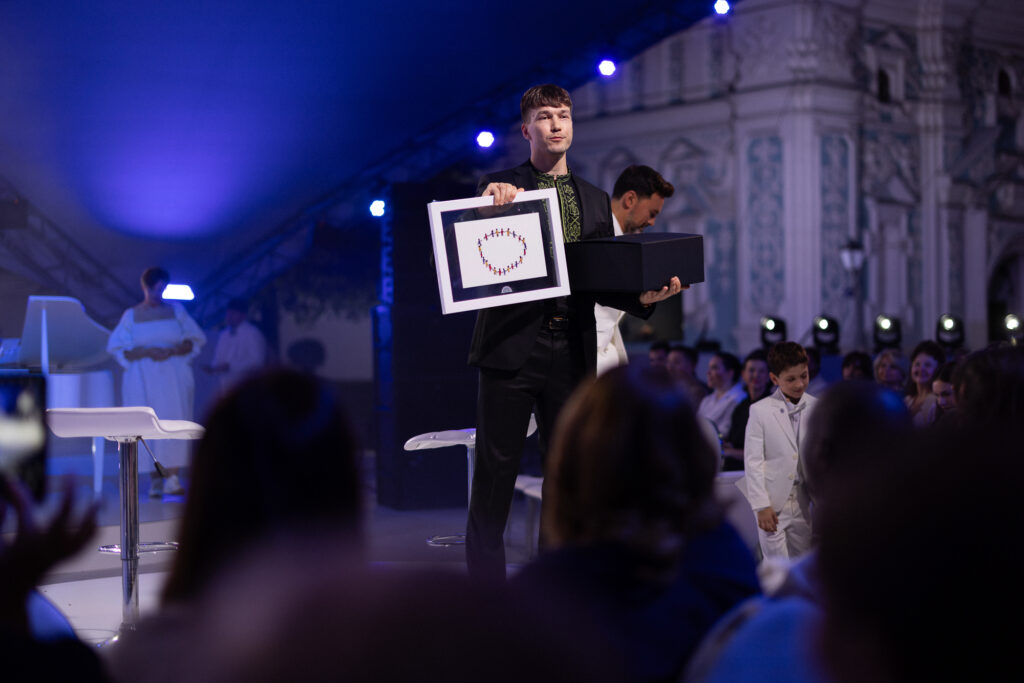
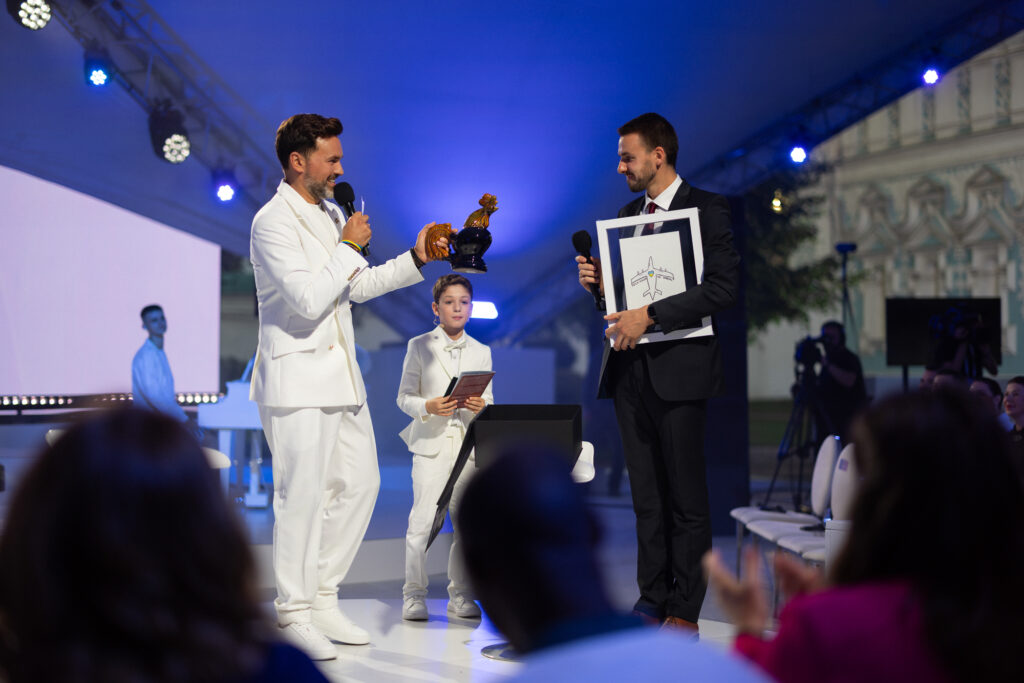
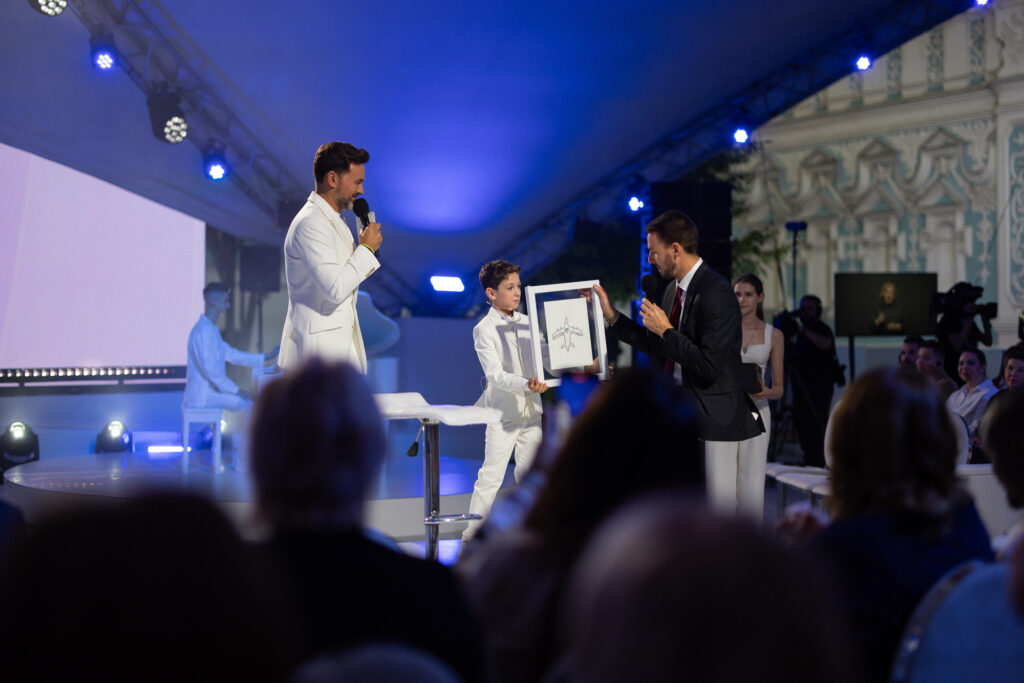
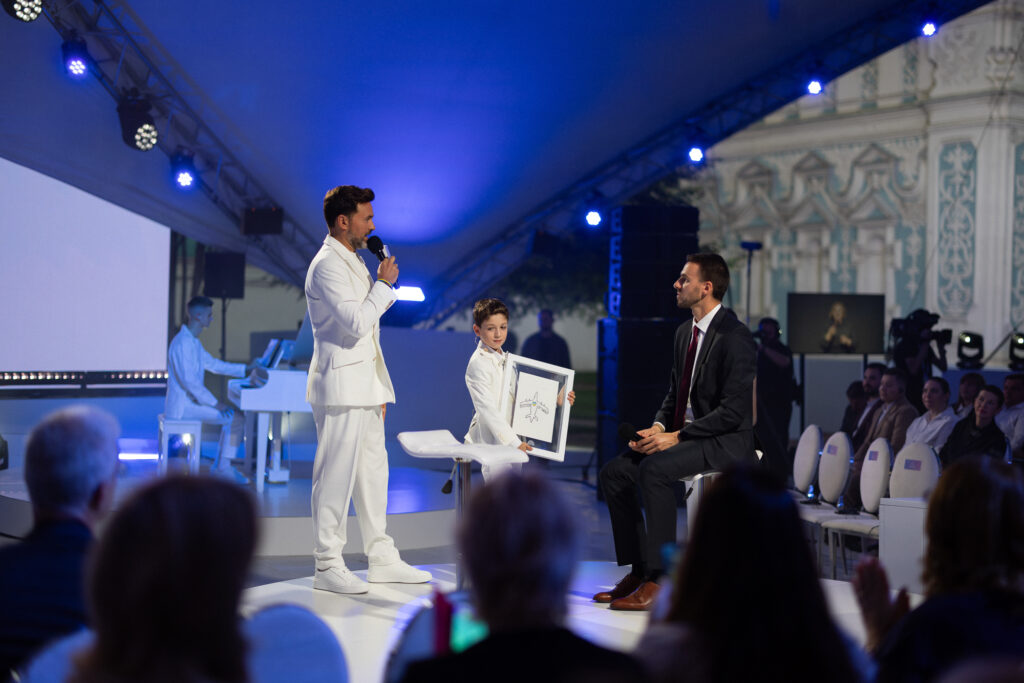
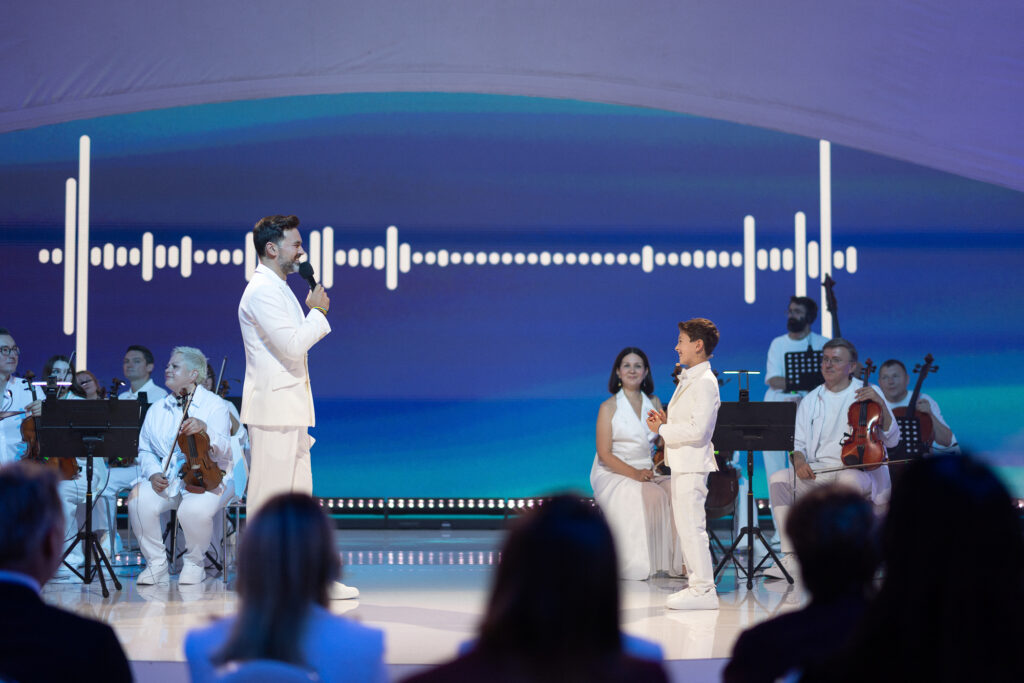
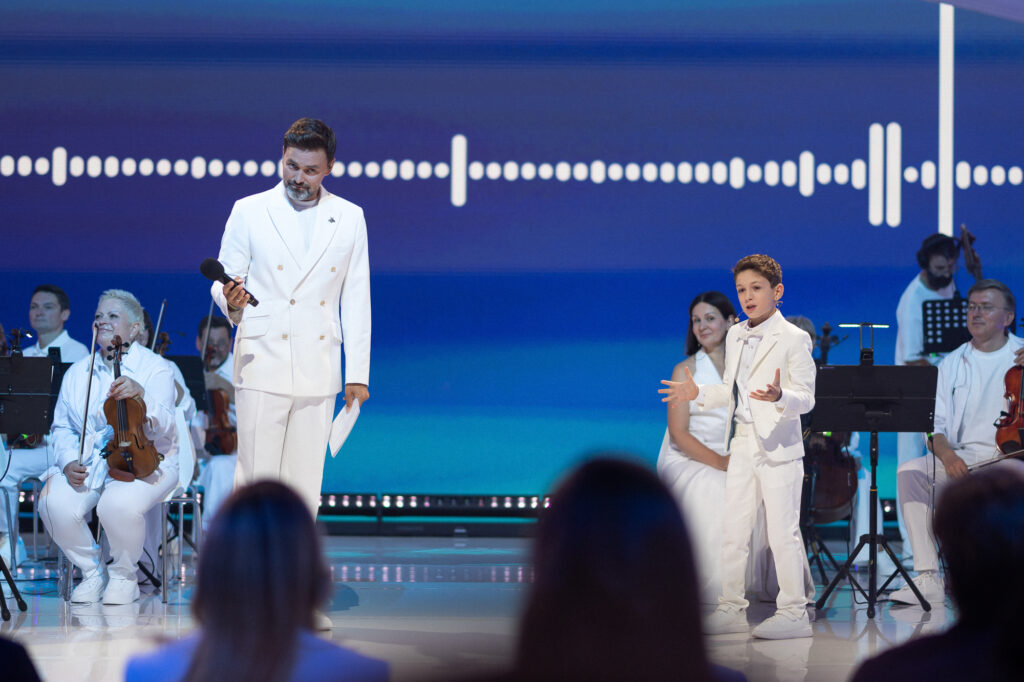
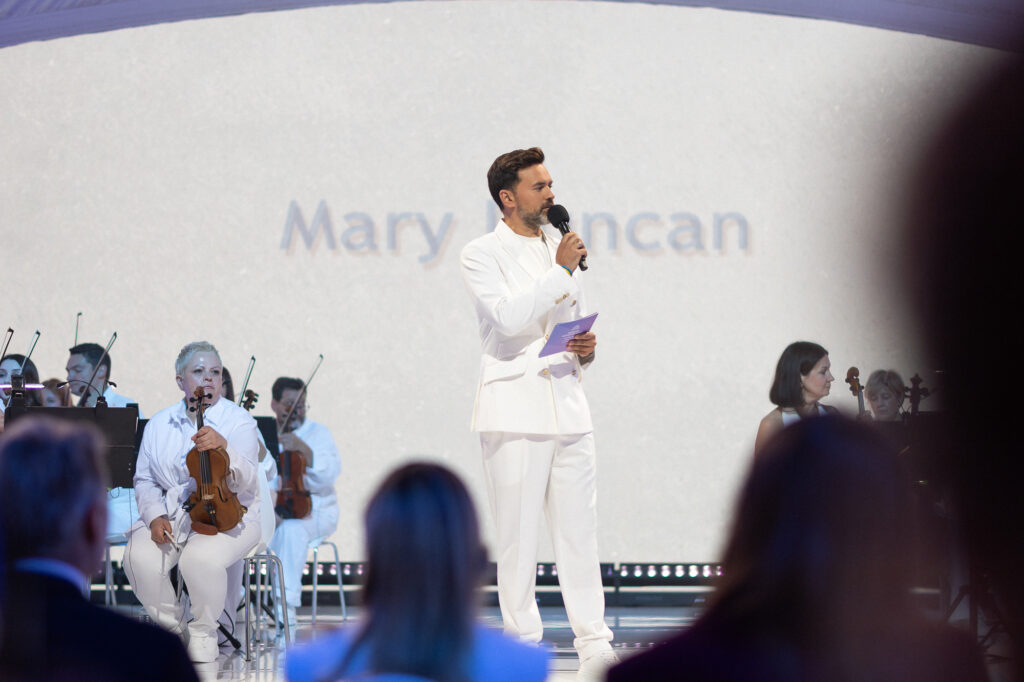
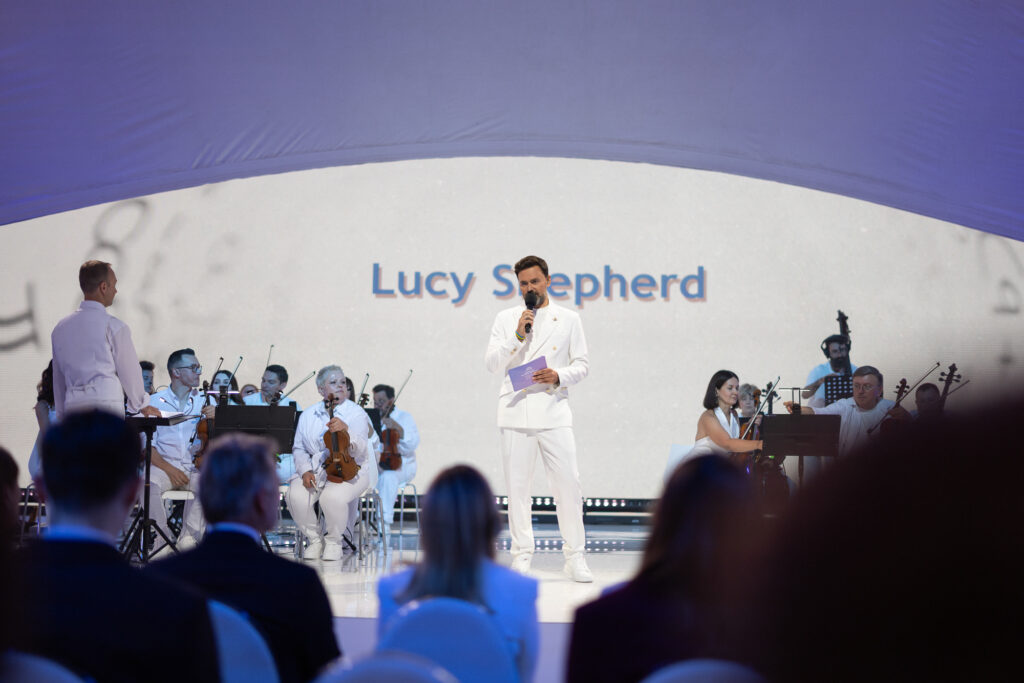
At the heart of this dimension were teachers — carriers not only of knowledge but also of values, and people who shape the future every single day. At the gala event “A Tribute to Teachers”, held on the evening of 10 September, outstanding teachers from around the world were honoured: examples of courage, kindness, humanity, authors of unique teaching methods, and laureates of the Global Teacher Prize.
Representatives from Brazil, Estonia, Canada, Kenya, Lithuania, South Korea (online), Finland, and Ukraine took part. Watch the gala tribute via this link.
Innovation in Education
Innovation in Education
We considered this issue as a consequence of the scientific and educational process. Technology created by humans can be used for peaceful purposes, but it can also be used to destroy humanity, the planet and be employed for aggressive ends.
Objective: to pose a question to the world: ‘Who serves whom — do humans serve technology, or does technology serve humans?’ To encourage governments, businesses, scientists, and educators to reflect on the ethical use of innovation, including artificial intelligence, and its impact on human life and society. To highlight that technology is not only about progress, but also about responsibility, and, as humanity, it is our task to direct innovation towards development, peace, and prosperity — not destruction or the subjugation of human beings.
Zoya Lytvyn, founder of Osvitoria and head of the Global Government Technology Centre in Kyiv, served as moderator.
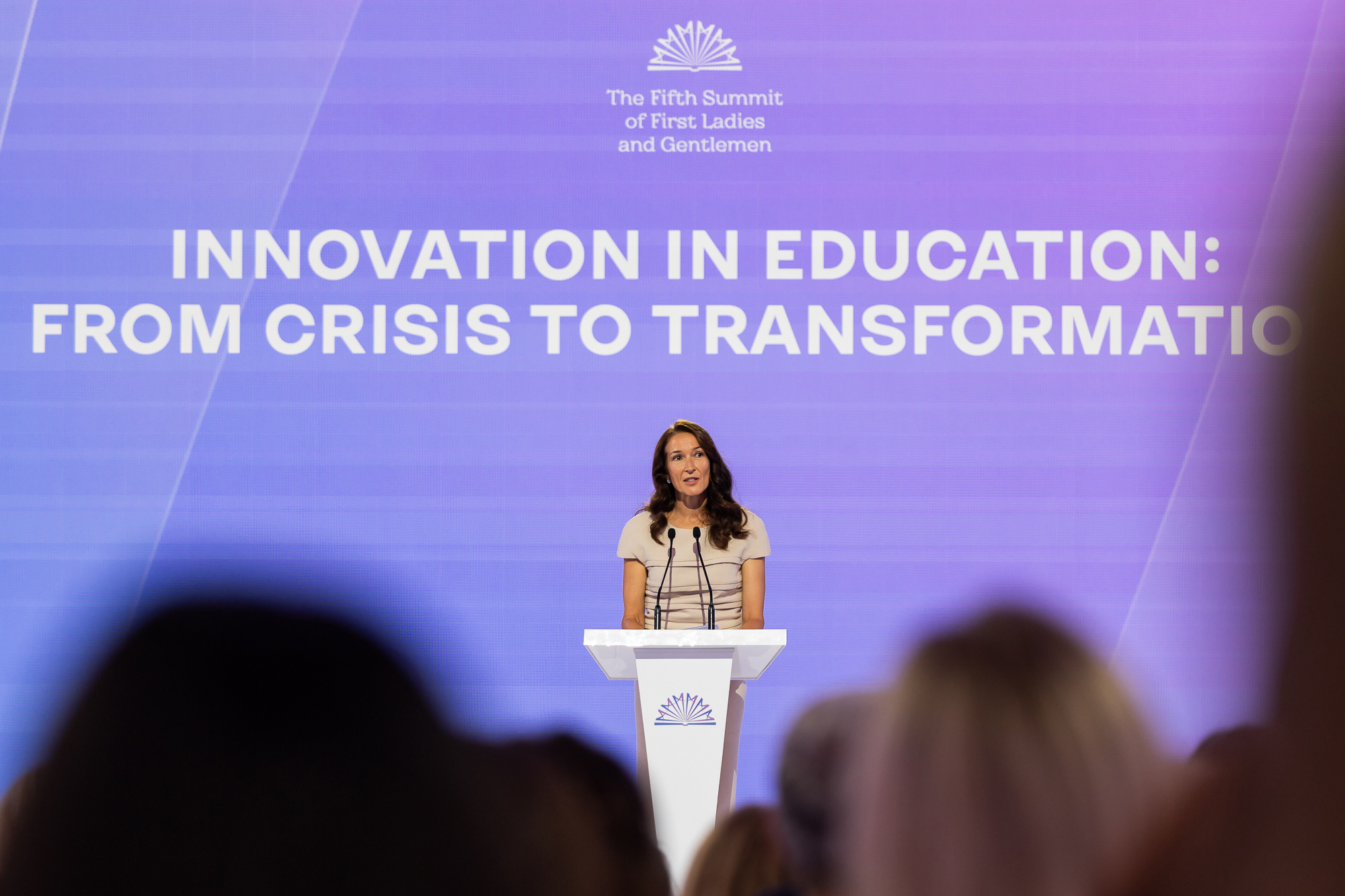
The session opened with solo speeches by the First Ladies of Estonia, Sirje Karis, and Finland, Suzanne Innes-Stubb. The discussion also included interviews with First Deputy Prime Minister of Ukraine – Minister of Digital Transformation of Ukraine, Mykhailo Fedorov, video messages from experts, pitching of innovative solutions in the field of education, and a presentation of WINWIN EdTech CoE by the Adviser to the Minister of Digital Transformation of Ukraine on Innovation, Digitalisation and Global Partnerships Valeriya Ionan.
The discussion ‘Partnership for the Future: AI and Innovation in Education,’ moderated by Annette Kroeber-Riel, Google Vice President for Government Affairs and Public Policy for Europe, was the central event of the session.
The discussion was attended by: Christina Egelund, Minister for Higher Education and Science of Denmark; Scott McDonald, Chief Executive of the British Council; Simon Schmid, Partner at SkillLab and Managing Director of Just Skills Hub; Sergii Martynchuk, General Manager of Cisco Ukraine; Victor Liakh, President of the East Europe Foundation; and Paul Nurse, British biochemist, Nobel Prize Laureate, and former President of Rockefeller University.
Participants discussed artificial intelligence as a driver of change in education, scaling innovation through international cooperation, examples of public-private partnerships, labour market transformation, and the importance of digital literacy, critical thinking, and lifelong learning. Read more about the event here.
The Role of Education in Promoting Peace and Humanitarian Values
The Role of Education in Promoting Peace and Humanitarian Values
According to the Geneva Academy of International Humanitarian Law and Human Rights, there are currently more than 110 armed conflicts taking place around the world. These include both local and inter-state conflicts. What efforts we can make today to ensure that the education of future generations fosters a culture of promoting peace, humanitarian values, dialogue, tolerance, critical thinking, and responsibility for the world.
Objective: to encourage all participants in the educational process — from governments to teachers — to embed in curricula the meanings and values that teach peaceful coexistence, respect for other cultures, and the ability to find compromise.
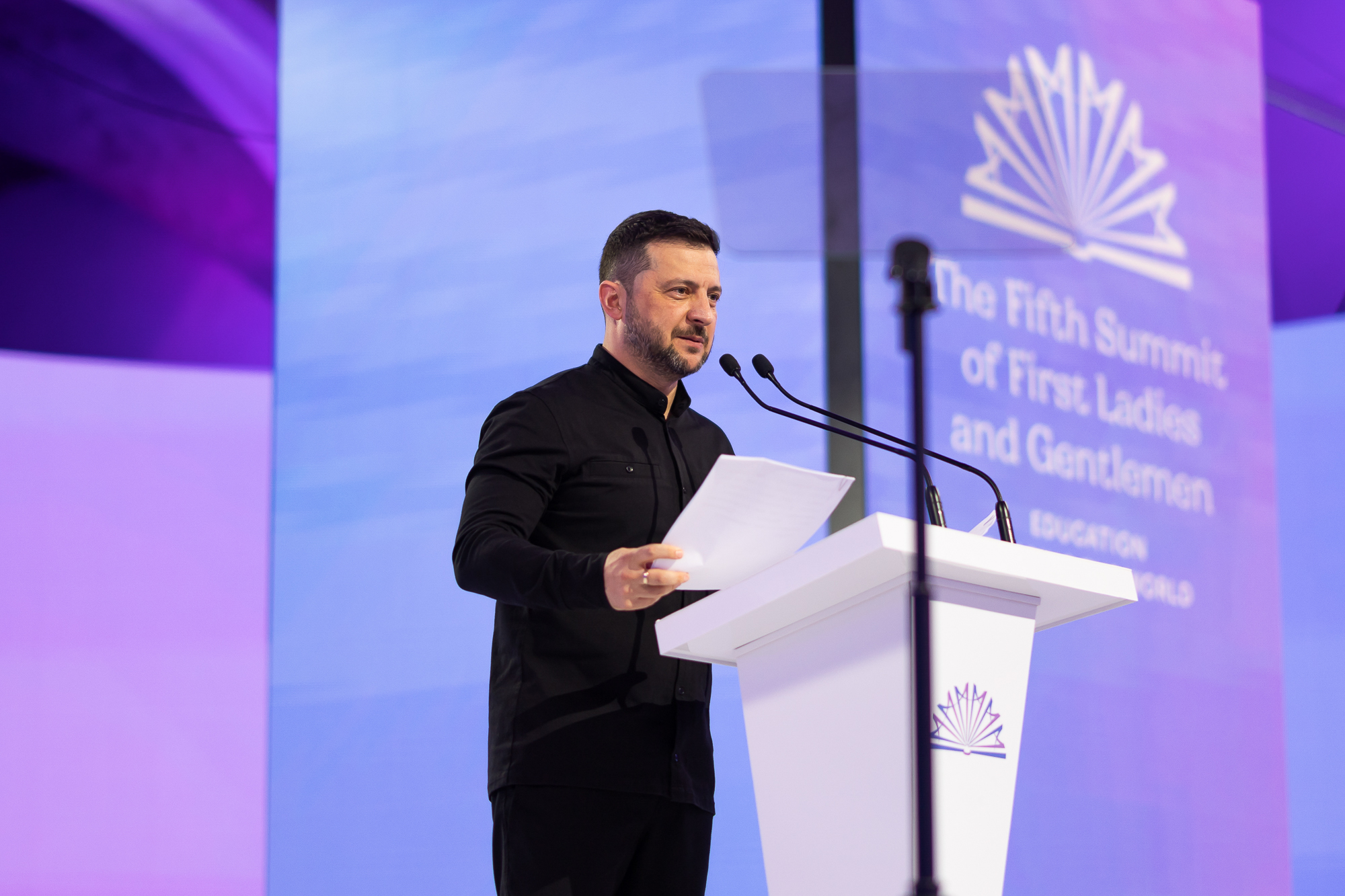
As part of this dimension, the Summit’s guests of honour – President of Ukraine Volodymyr Zelenskyy and President of Finland Alexander Stubb – delivered keynote speeches in which they shared personal and historical examples of the importance of human-centred education. Watch the Presidents’ speeches at this link.
International Research
International Research
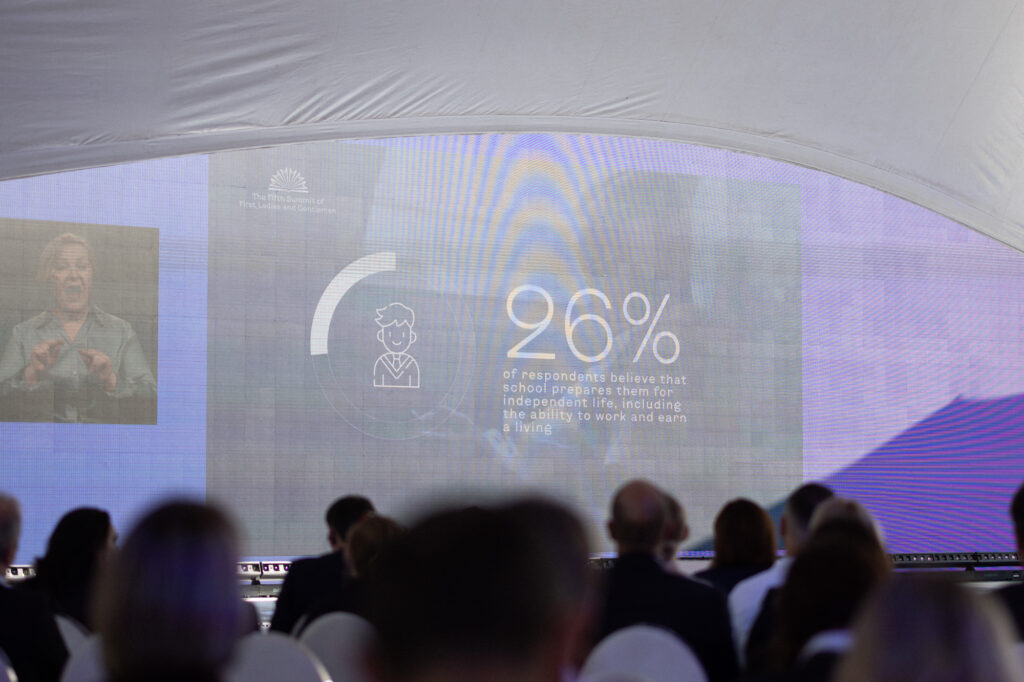
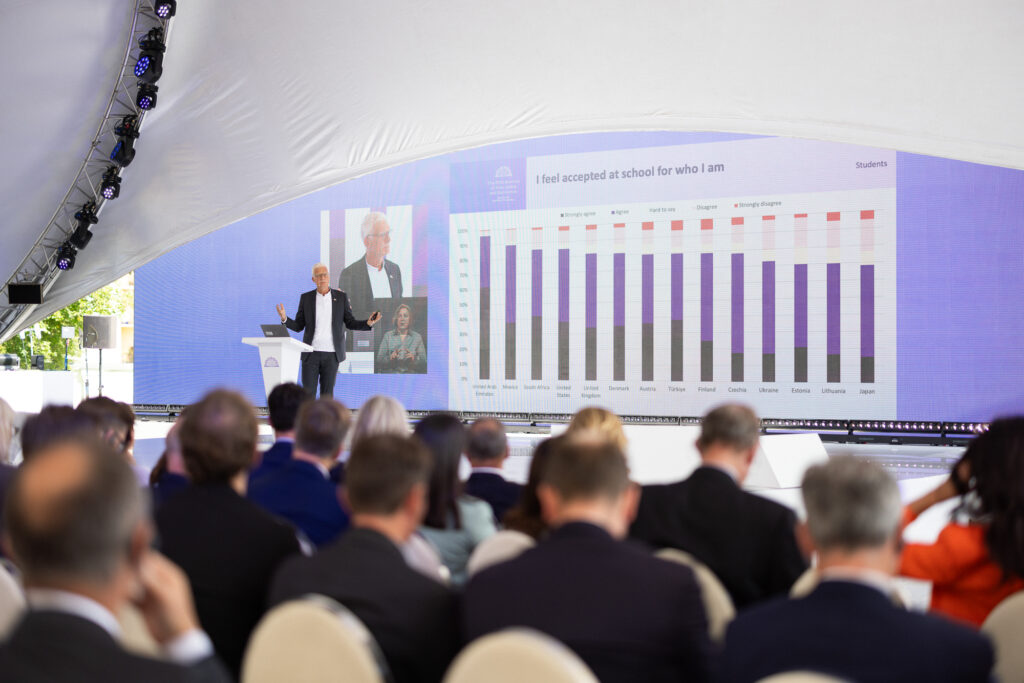
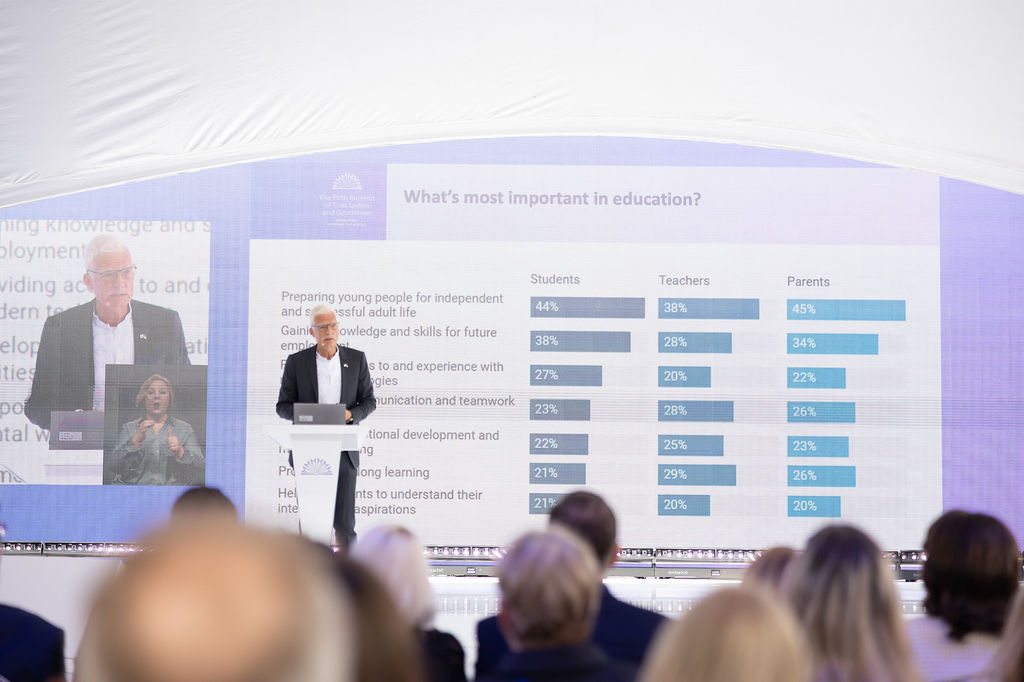
A constructive and meaningful dialogue on humanitarian challenges is impossible without solid data. That is why, for the third year in a row, at each Summit of First Ladies and Gentlemen, we present international research reviewing trends and challenges related to the Summit’s theme.
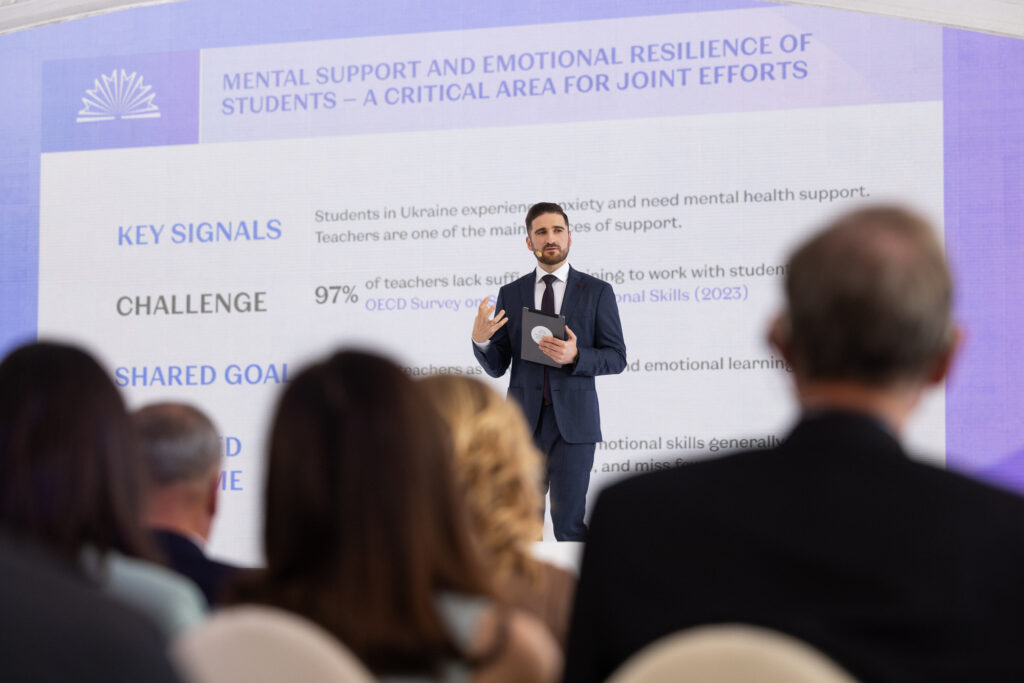
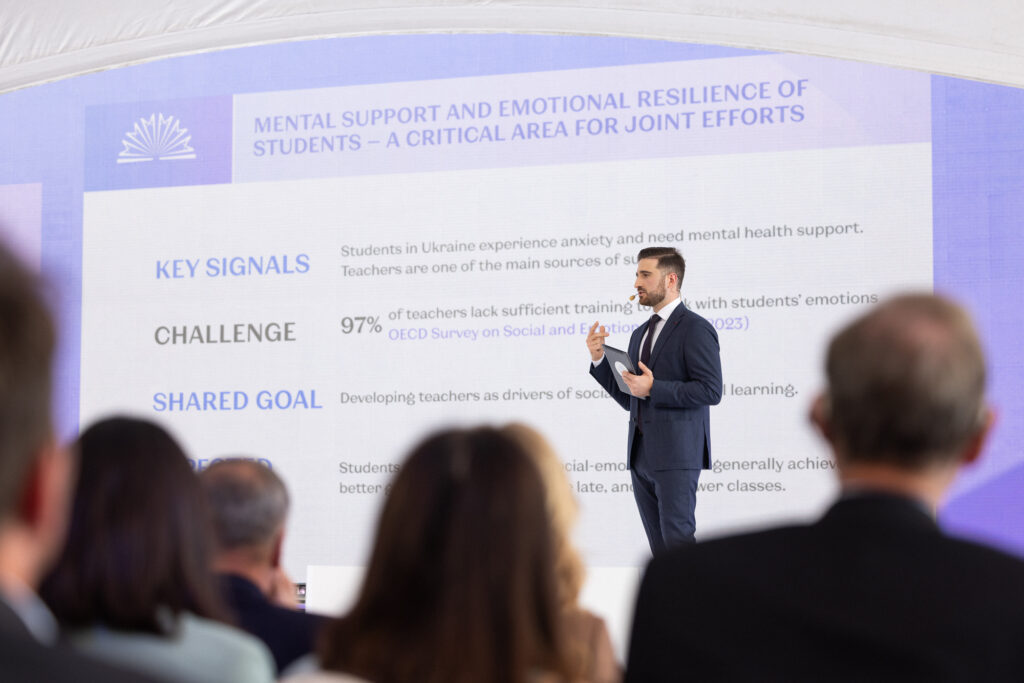
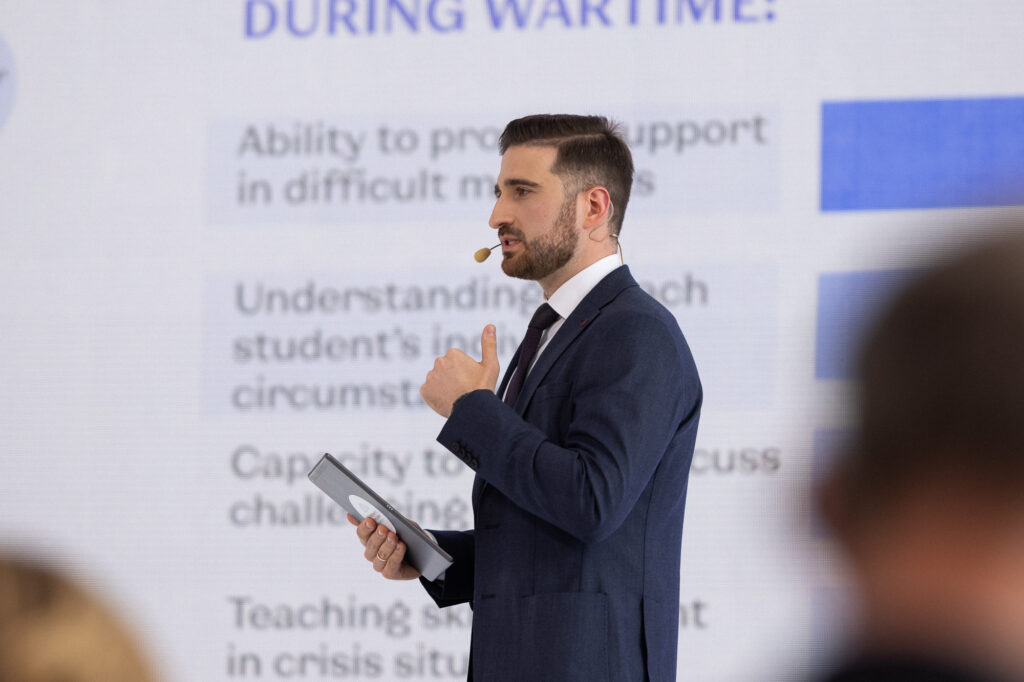
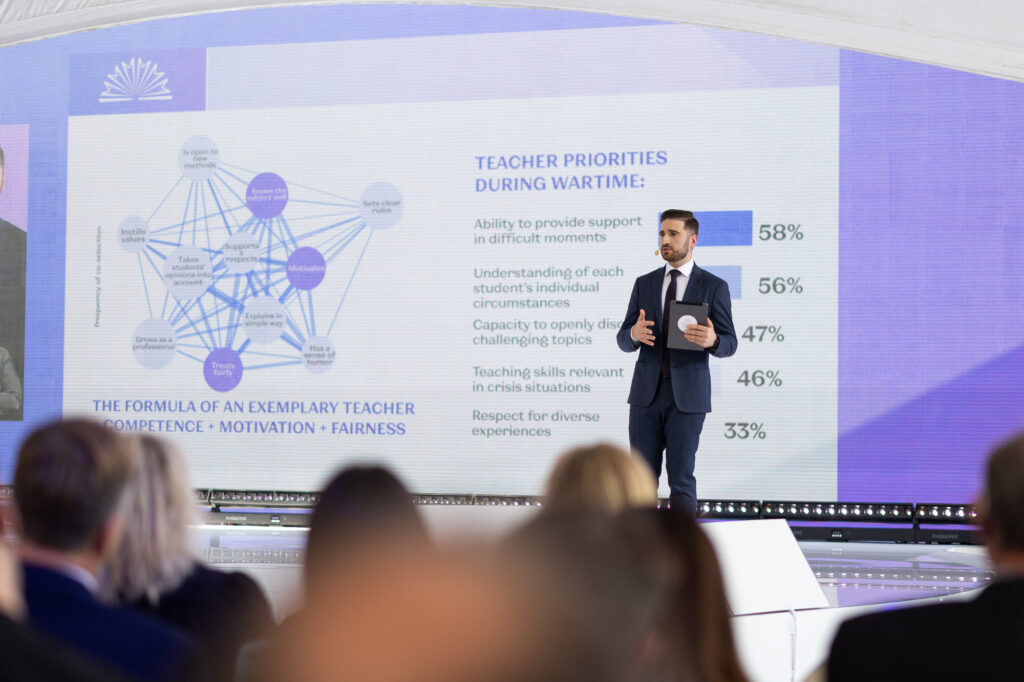
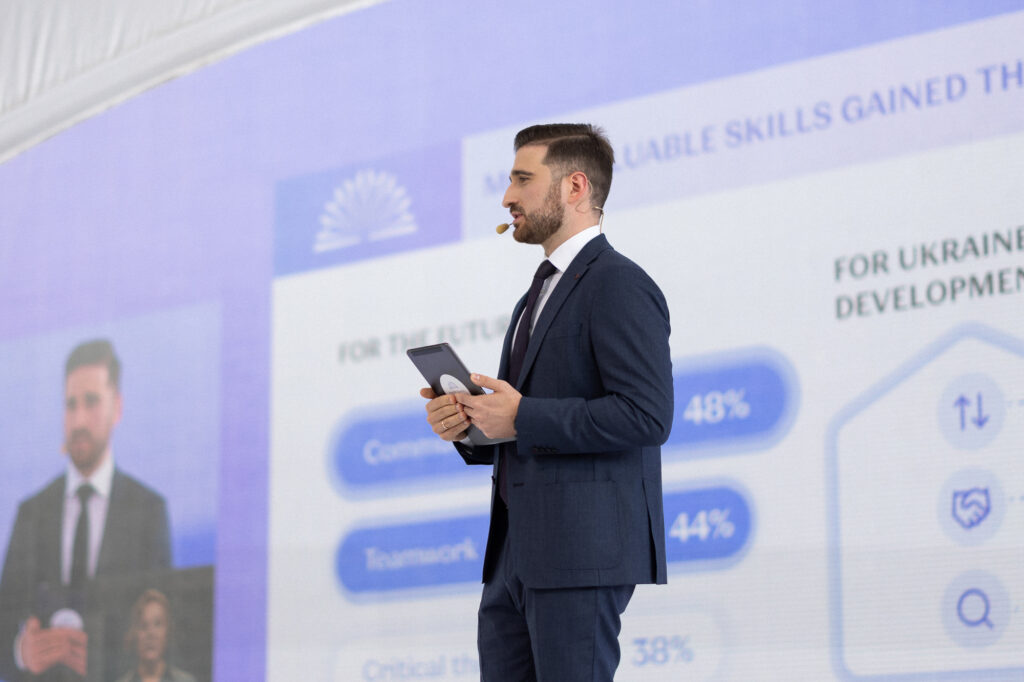
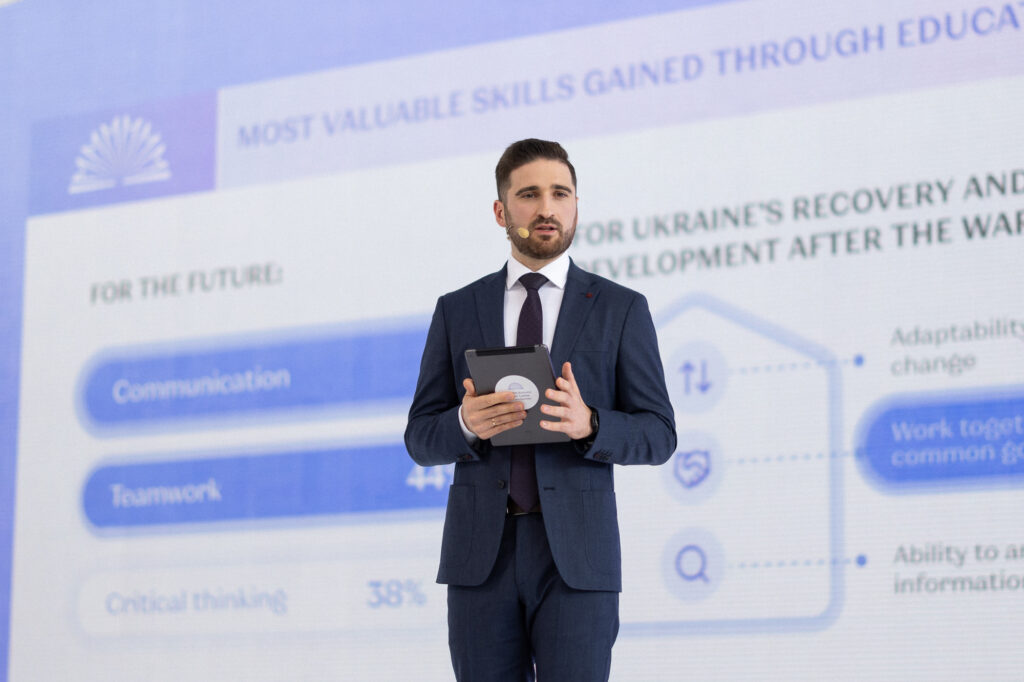
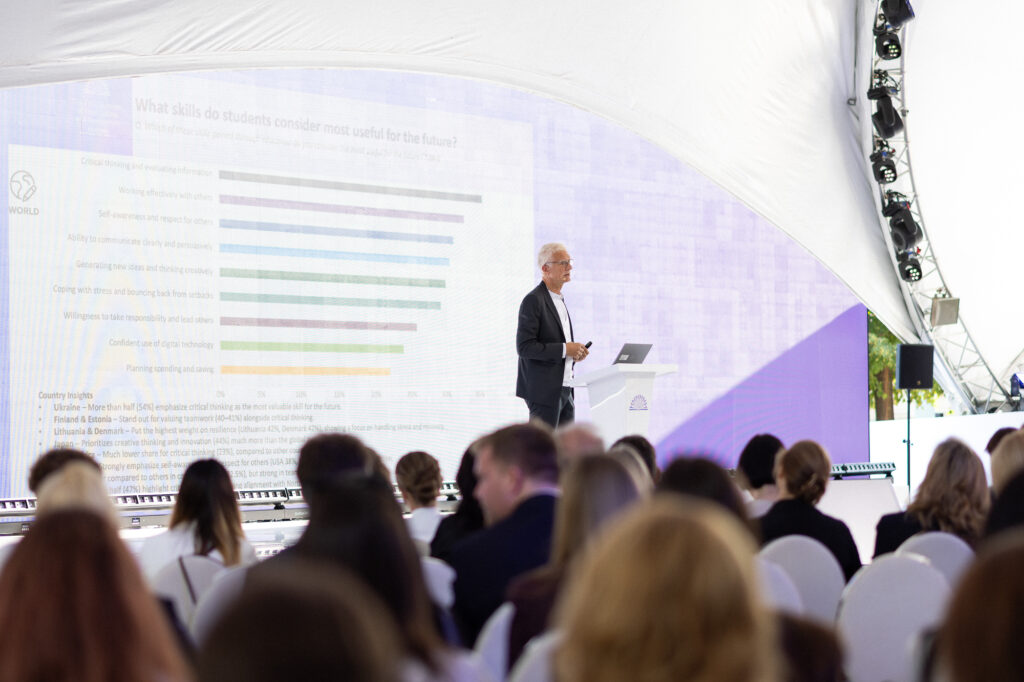
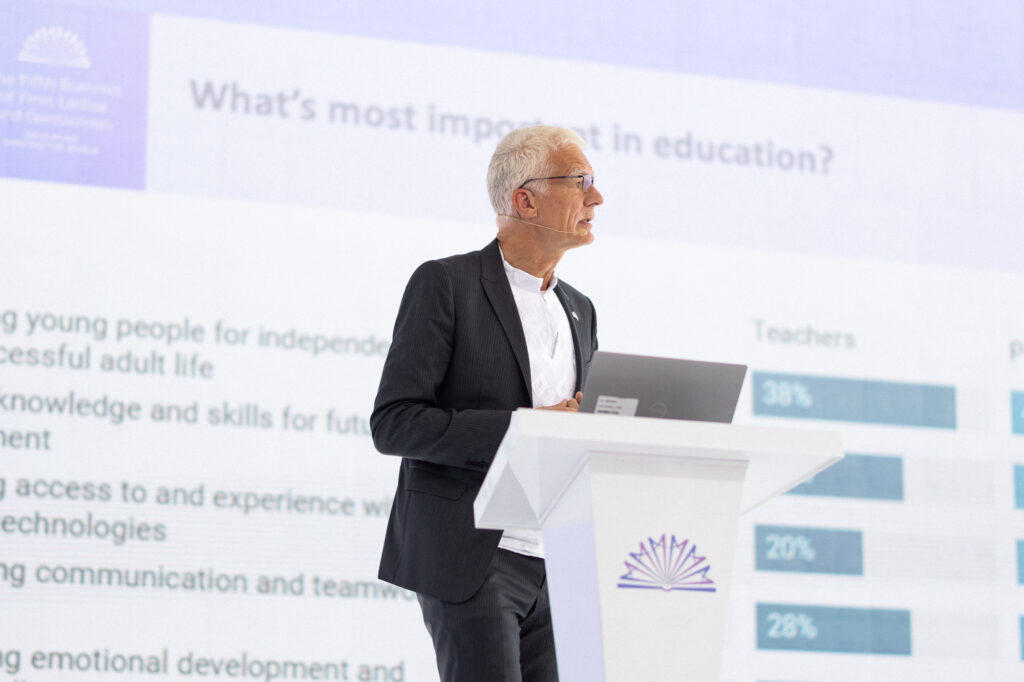
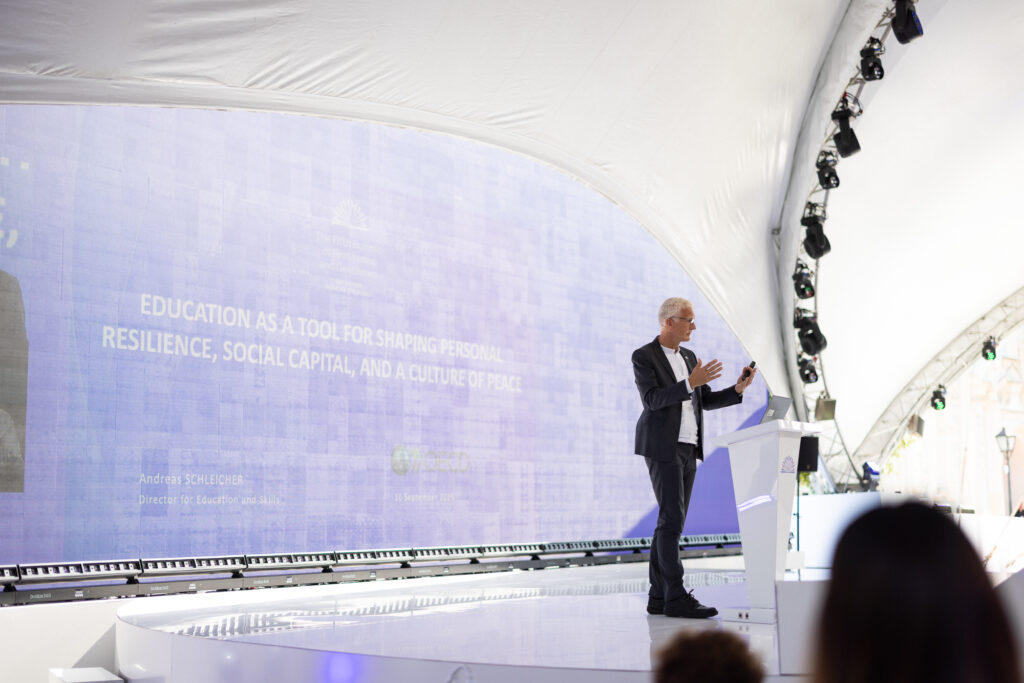
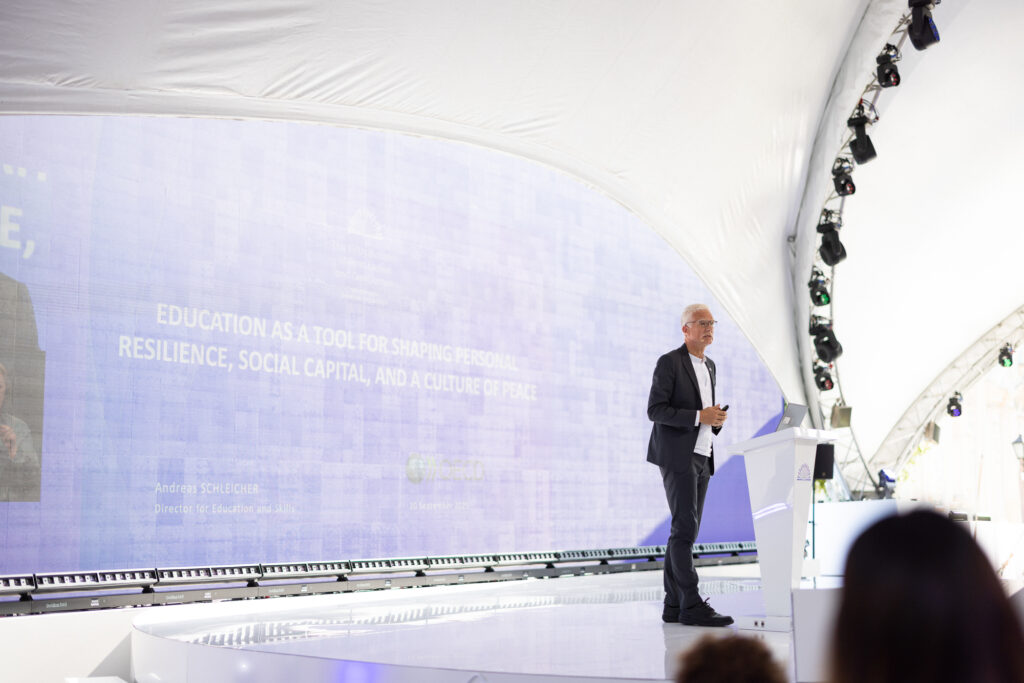
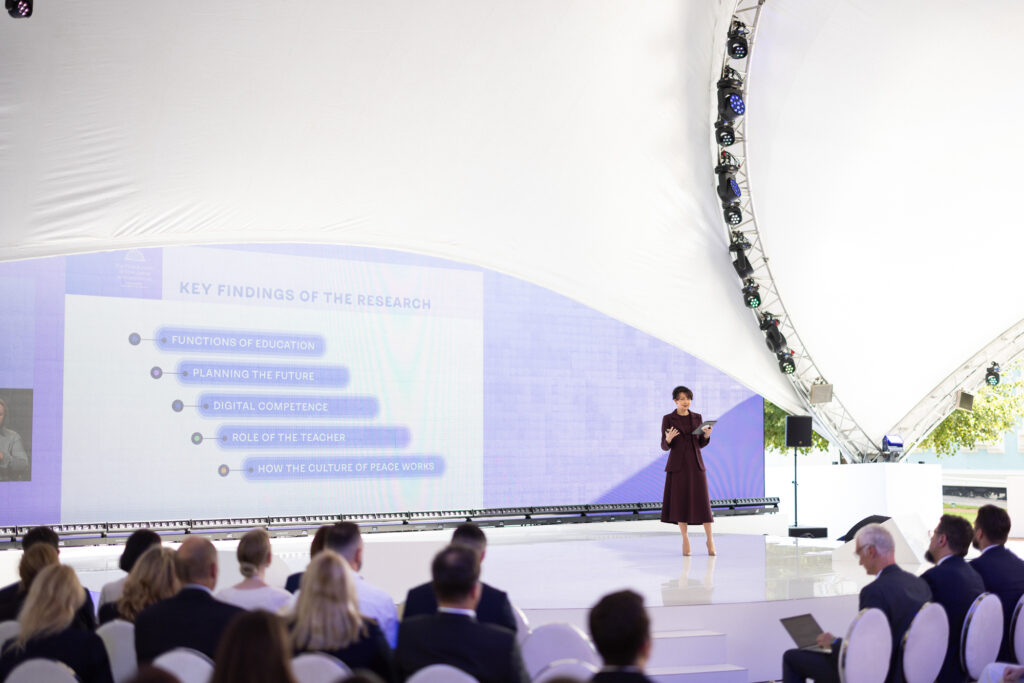
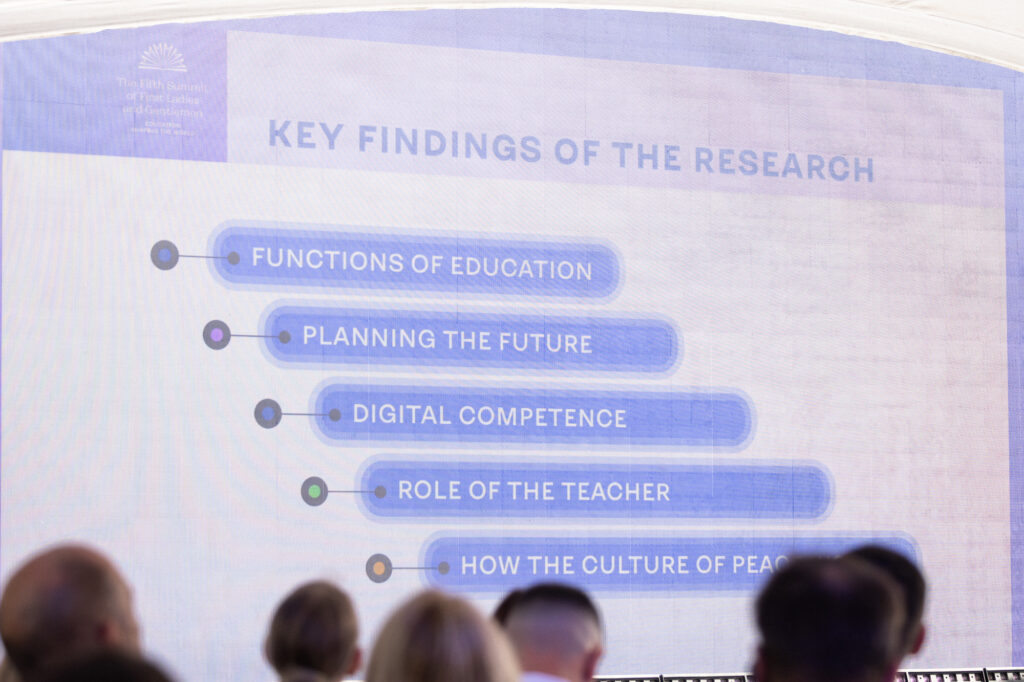
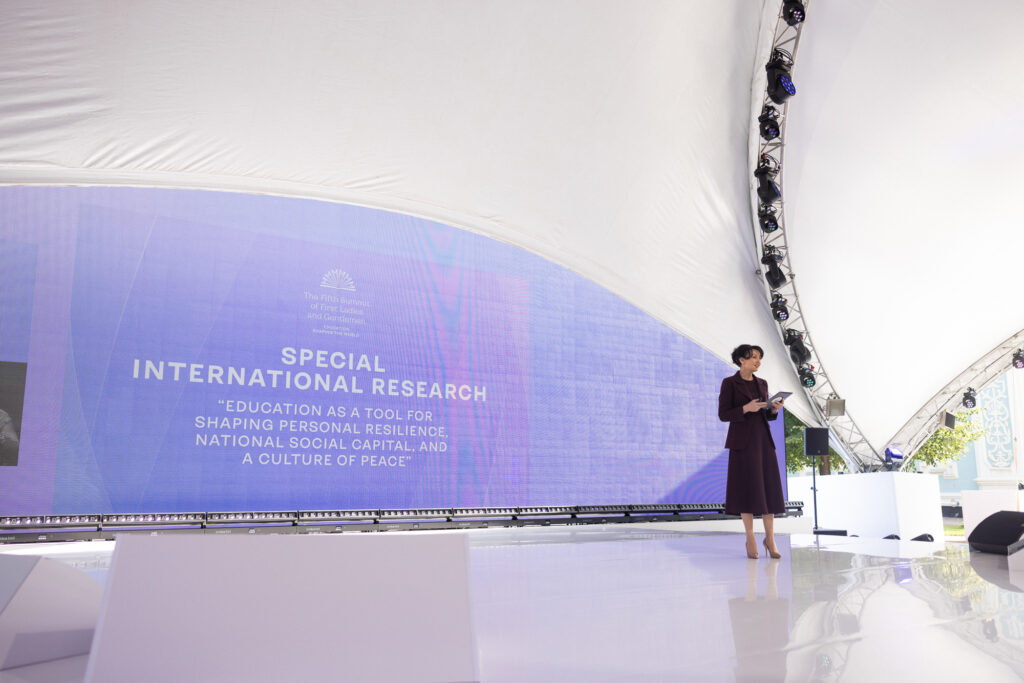
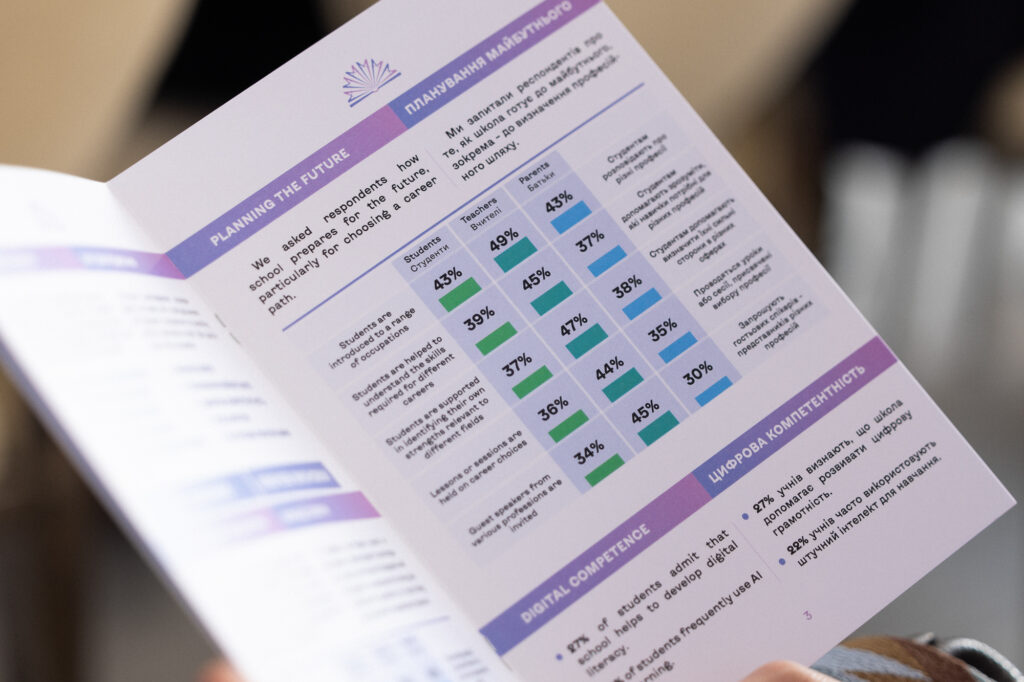
In 2025, we presented the research ‘Education as a Tool for Shaping Personal Resilience, National Social Capital, and a Culture of Peace,’ which covered three target audiences (students, teachers and parents) in 14 countries. At the Summit of First Ladies and Gentlemen, its results were presented by Andreas Schleicher, Director for Education and Skills at the Organisation for Economic Co-operation and Development (international part), Nataliya Dmytrenko, Head of Analytics and Monitoring Department at the Office of the President of Ukraine, and Yevhen Kudryavets, First Deputy Minister of Education and Science of Ukraine (Ukrainian part).
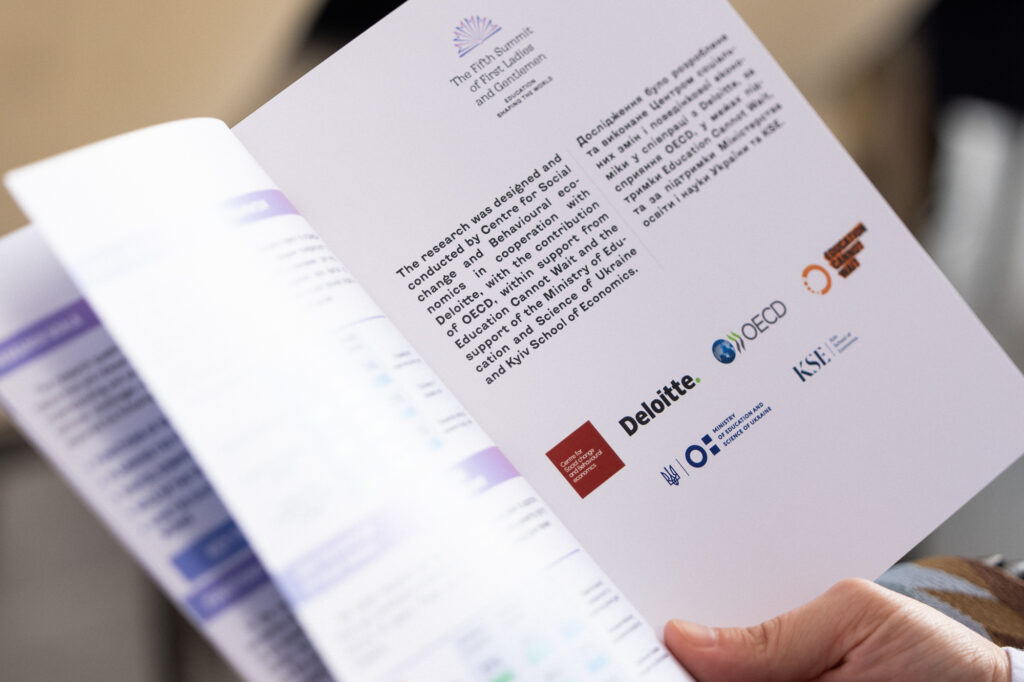
The research was designed and carried out by the Centre for Social change and Behavioural economics in cooperation with Deloitte, with contributions from the Organisation for Economic Co-operation and Development (OECD), and with support from Education Cannot Wait, the Ministry of Education and Science of Ukraine, and the Kyiv School of Economics (KSE).
See the results of the research on this page.
Relevance of the Theme
Relevance of the Theme
Education is a theme that resonates with people across all continents. It is Goal No. 4 on the list of the United Nations Sustainable Development Goals. It is also one of the top priorities in the work of First Ladies and Gentlemen around the world. According to a study by Brand Finance, it is through work in the field of education that First Ladies and Gentlemen can significantly influence the international image of their countries.
Choosing education as the central theme of the Summit is a strategic step for Ukraine — a country that is fighting for both its own freedom and the freedom of the entire world and transforming into one of the centres of global leadership. From a country resisting a full-scale invasion, the voice in defence of access to education and the promotion of a culture of peace sounds natural. This choice reinforces Ukraine’s leadership as a state that cares not only about itself, but also about global values.
‘Education Shaping the World’ is a manifesto. It declares that not only does the world shape education, but also, conversely, it is education that models the world we will live in tomorrow. The way we teach children today will determine what kind of society we have tomorrow: peaceful or aggressive, innovative or conservative, inclusive or insular.
‘Shaping the World’ is about the responsibility for the future we take on by joining efforts in Kyiv.
Key Messages of the Event:
Key Messages of the Event:
Education as a prerequisite for finding answers to global challenges: pandemics, wars, climate change, and disinformation. Only education that is accessible and grounded in humanistic values shapes awareness and critical thinking that help societies withstand crises, act responsibly, and build sustainable peace.
Education as a tool of soft power: the countries that invest in education and share knowledge strengthen their global influence, trust, and reputation. This creates opportunities to draw attention to and highlight the most sensitive issues that require the unity of the international community to solve.
The ethical dimension of technology and innovation is key: it determines whether technologies serve the development of society, the strengthening of human dignity, and justice, or instead, whether they lead to abuse, the erosion of trust, and new forms of inequality.
Peace is a culture of coexistence and interaction at all levels — from the school desk to partnerships between states. The role of education in promoting peace and humanistic values is critical for building sustainable development. Ukraine is taking a leading role by bringing together First Ladies and Gentlemen, Nobel Prize laureates, ministers, and educators from around the world to unite efforts in developing shared approaches to laying the foundations for sustainable and lasting peace in international relations through the tools of education.
The Concept of the ‘Path of Knowledge’
The Concept of the ‘Path of Knowledge’
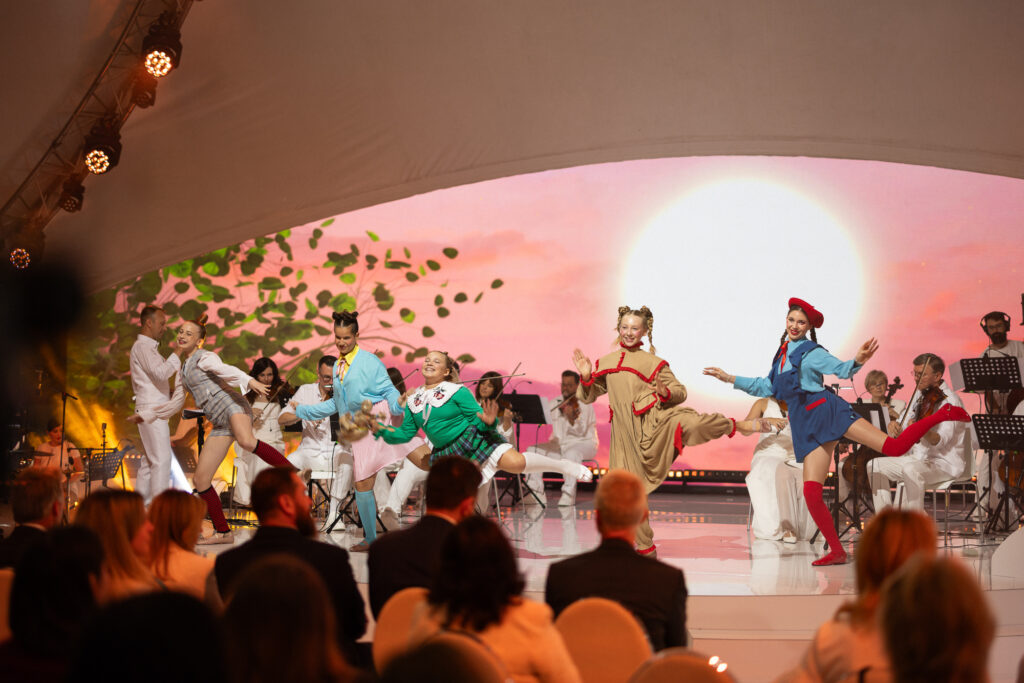
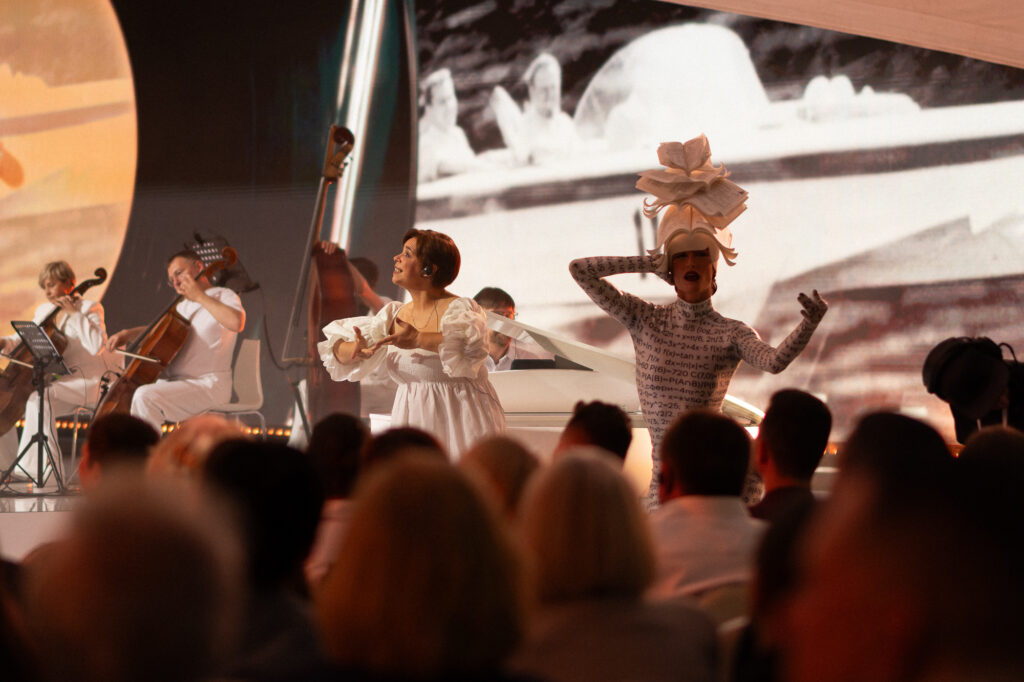
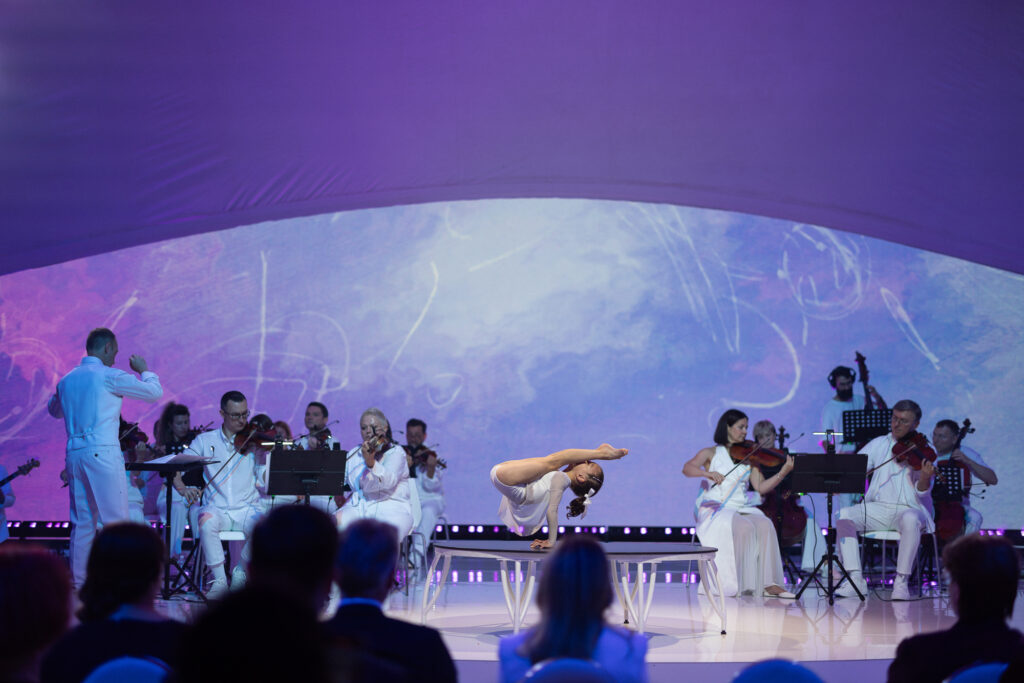
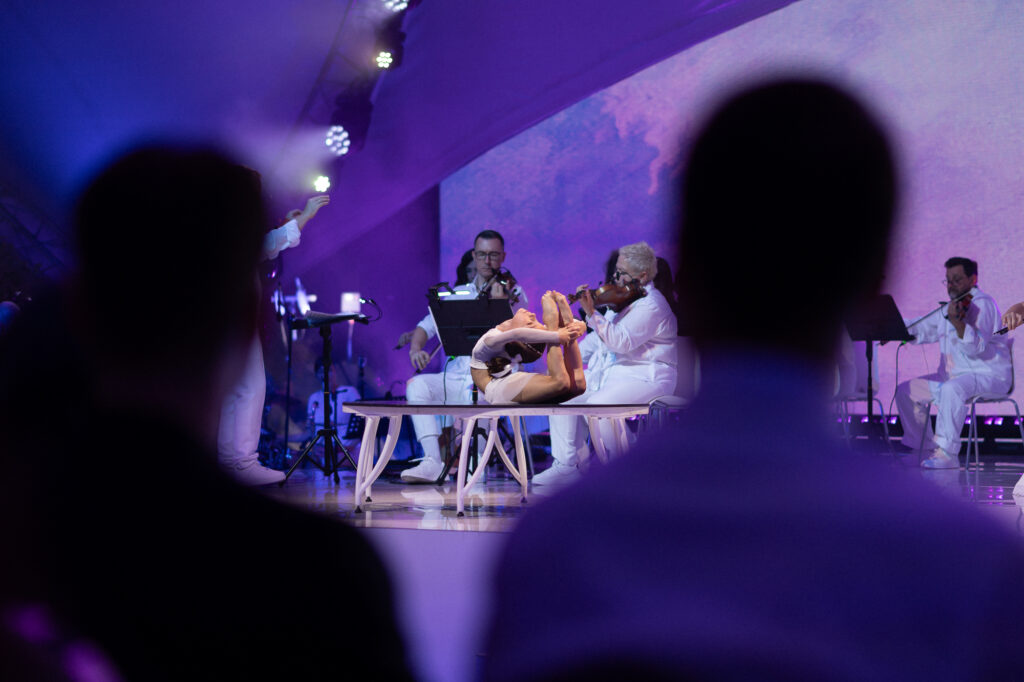
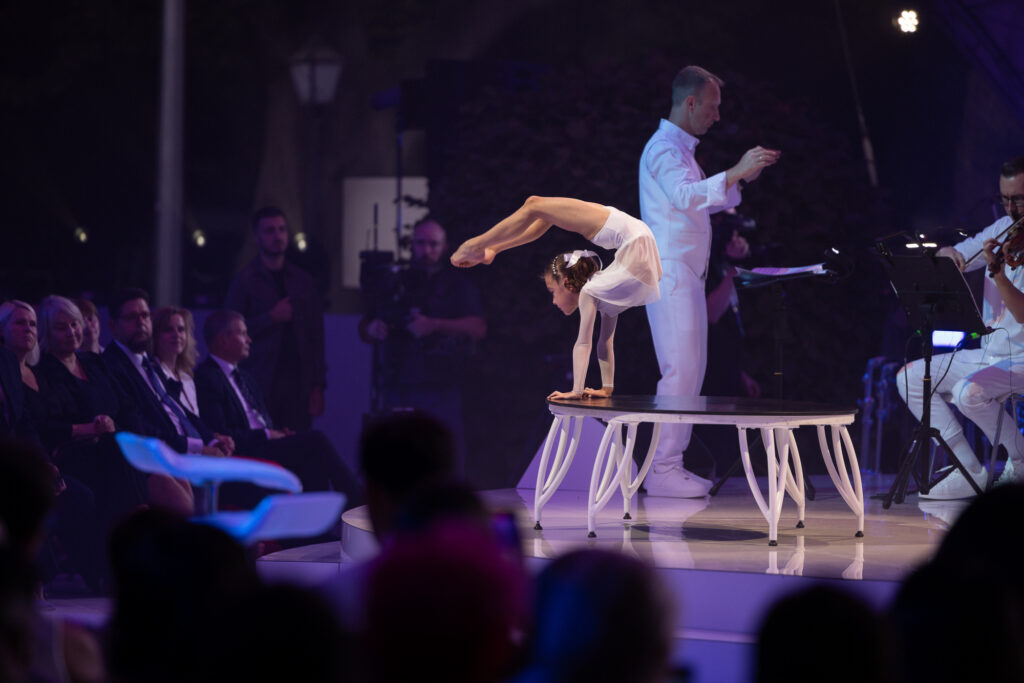
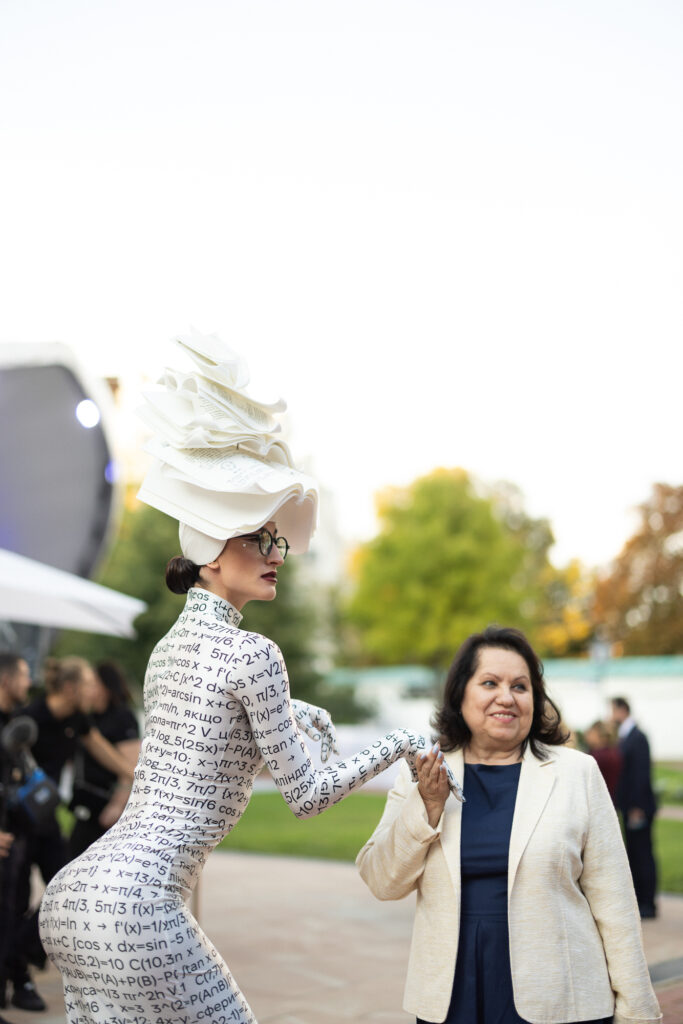
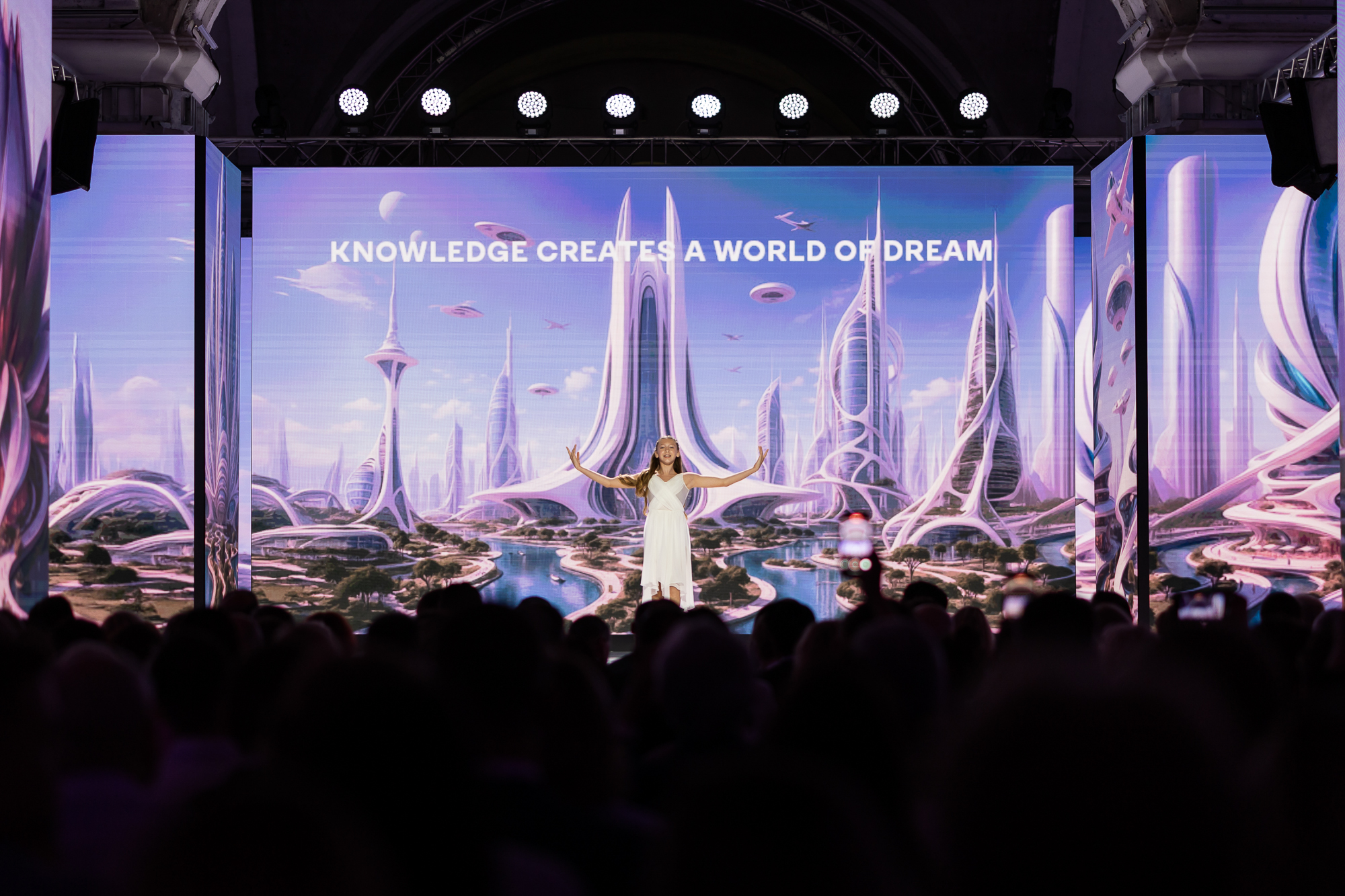
To bring this philosophy to life and make it visible, the Summit introduces an artistic concept of the ‘Path of Knowledge’. This is a metaphor that takes us through the history of humankind: from intuitive experience and oral storytelling to writing, digital technologies, and artificial intelligence. However, its main objective is to illustrate how knowledge, passed from person to person, from generation to generation, helps us understand the past in order to create the new and build the future. This continuous movement and interconnectedness form the foundation that holds humanity together and provides support during global crises.
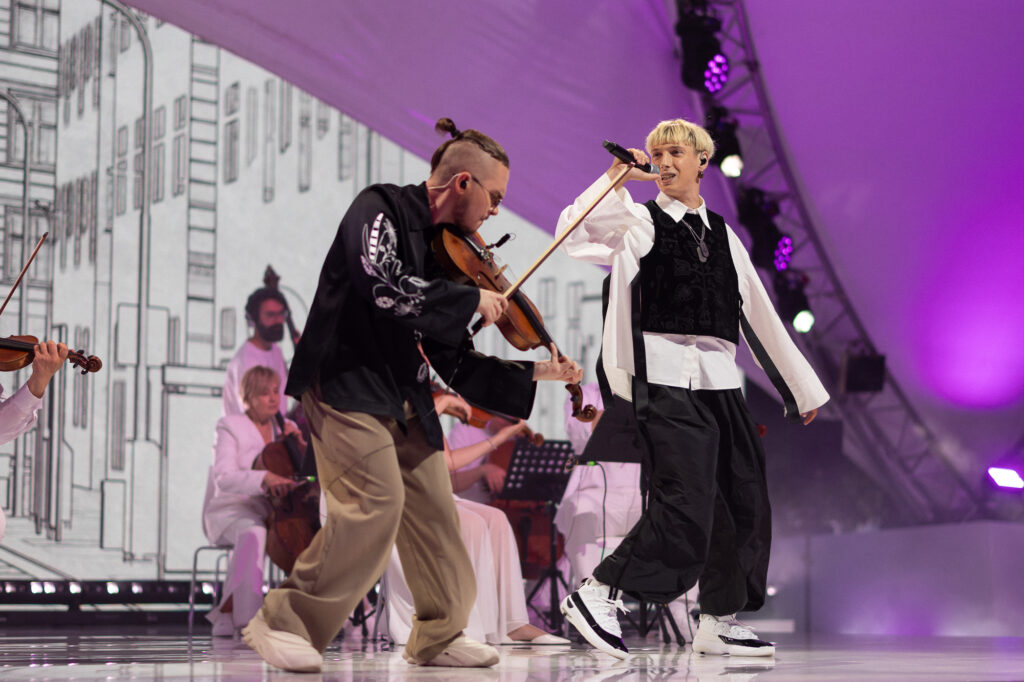
At the Fifth Summit, this concept was masterfully embodied in an artistic dance performance presented at the beginning of the second day of the event. Watch the performance at the link.
Public lectures and meetings

Public lectures and meetings
Our discussions on education were not limited to the Summit premises. On 10 September, First Ladies and Gentlemen, President, Nobel Laureates and experts spoke at dozens of locations across Ukraine: universities, schools and kindergartens. Read more about the activities of First Ladies and Gentlemen, as well as lectures at educational institutions in Ukraine.
What Does This Summit Seek to Tell the World?

What Does This Summit Seek to Tell the World?
The Summit conveys that education is a path that shapes the individual, their worldview, and, as a result, models the future of nations, states, and the entire world. And today, Ukraine — speaking through pain — addresses the world with a voice of strength and leadership, calling on all to recognise education as a global priority that will determine what tomorrow’s world will look like.
This two days that brought together participants from 20 countries in Kyiv demonstrate that humanity and education remain a priority for the entire civilised world, and that the topic of establishing connections between different experiences and cultures through education is more relevant than ever.
Summit’s Results
Summit’s Results
The Fifth Summit became a starting point for two global campaigns designed to continue the dialogue about humanity, the power of education, and the importance of mutual understanding to a broad, global audience.
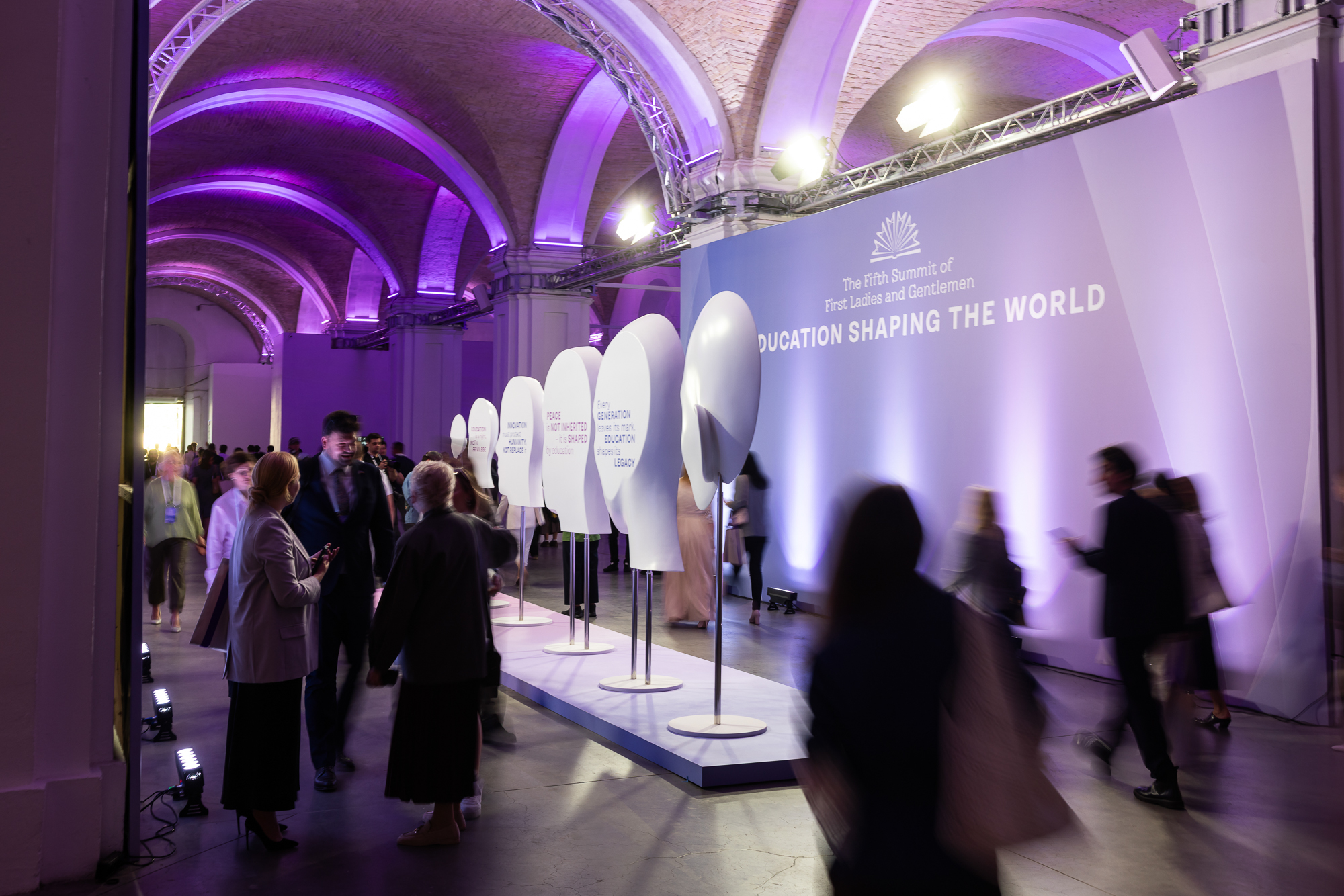
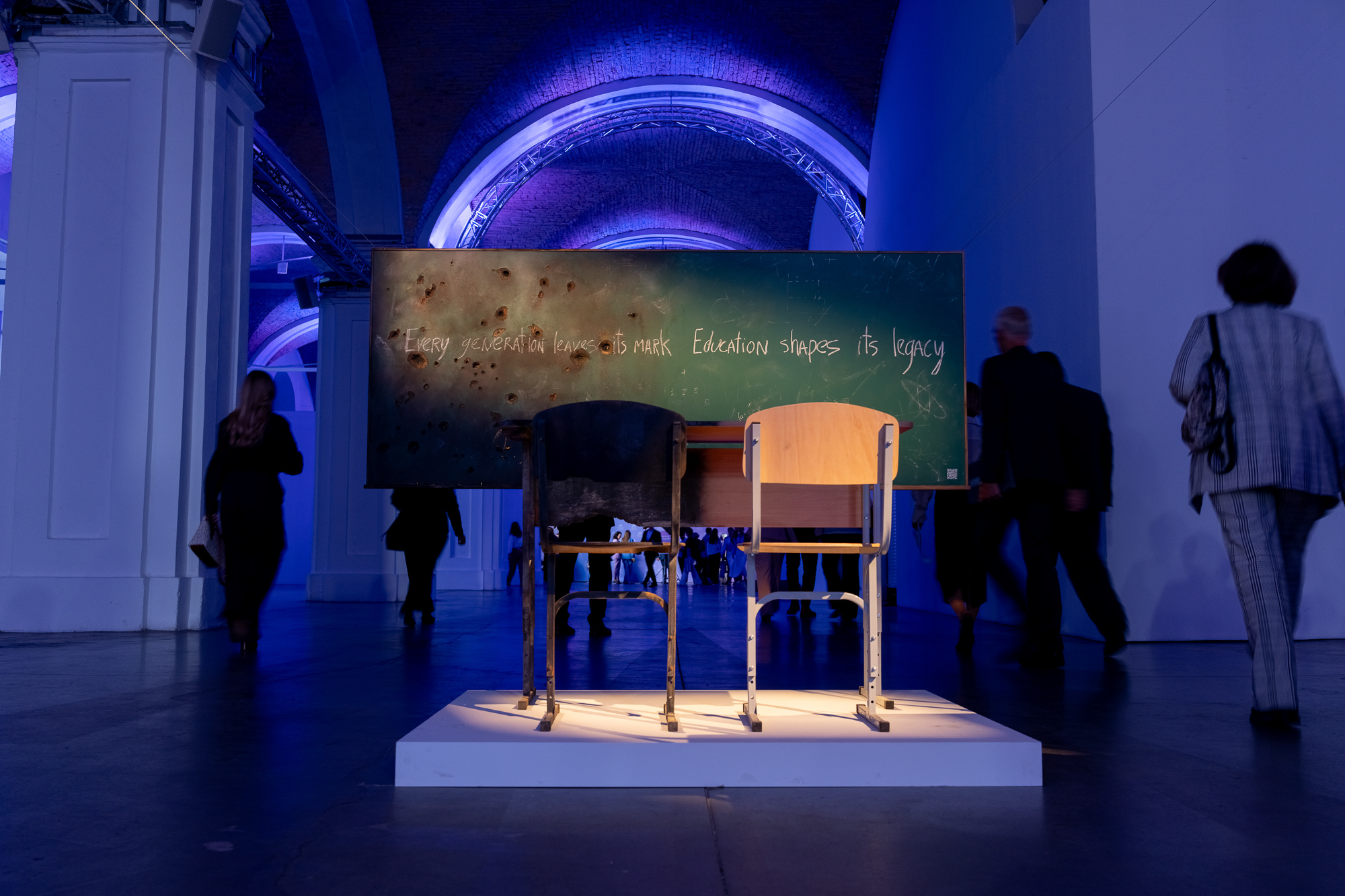
‘Every Generation Leaves Its Mark. Education Shapes Its Legacy,’ created in partnership with UNICEF and Banda. It visualises two paths of human development – peaceful and destructive – depending on the values that education instils in students. Concise and focused on powerful visual metaphors, this campaign has already reached over 26 million people in 32 countries around the world, both online and offline. The campaign’s messages have even been seen in Times Square, and the installation ‘One Desk. Two Marks,’ which clearly demonstrates the difference between peace and war, was displayed at the Sorbonne. Learn more about the campaign here.
The educational lesson ‘Snapshots from Ukraine: Untold Stories of Teenagers’ is a campaign created with the participation of Ukrainian teachers and teenagers, aimed at educators and students in other countries around the world. The lesson shows how Ukrainian children grow up and study in wartime conditions, living with the loss of loved ones and in constant danger, but despite everything, they dream, rejoice, and achieve their goals. The aim of the campaign is to spread an honest and sincere view of childhood in wartime and to encourage students from other countries around the world to reflect. The lesson is currently available on the global platform Share My Lesson, and you can read more about the campaign at the link.
The Summit also resulted in memoranda of cooperation between governments and leading technology companies in the field of innovation in education, such as the cooperation between the Ministry of Digital Transformation of Ukraine and Google.
First Ladies and Gentlemen
-
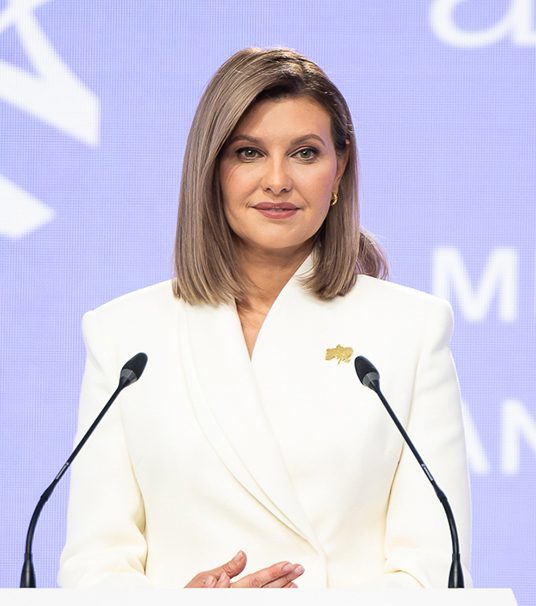
Olеna Zelenska
First Lady of Ukraine, founder of the Summit of First Ladies and Gentlemen Global Platform
 Ukraine
-
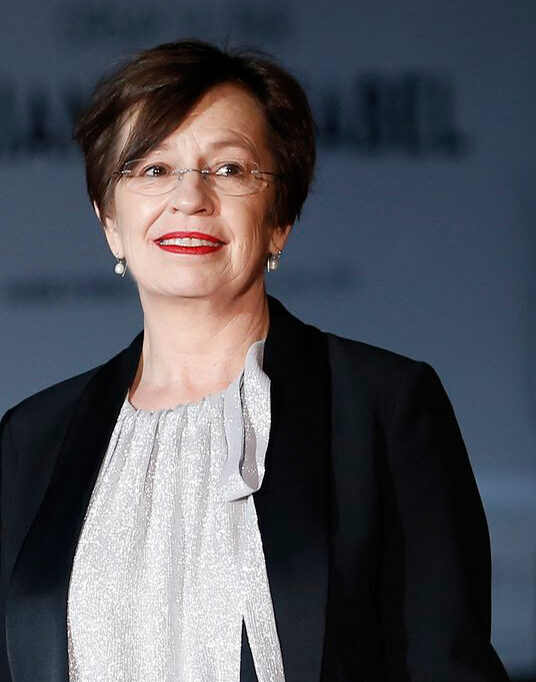
Doris Schmidauer
Spouse of the Federal President of the Republic of Austria
 Austria
-
Rossana Briceño
Spouse of the Prime Minister of Belize
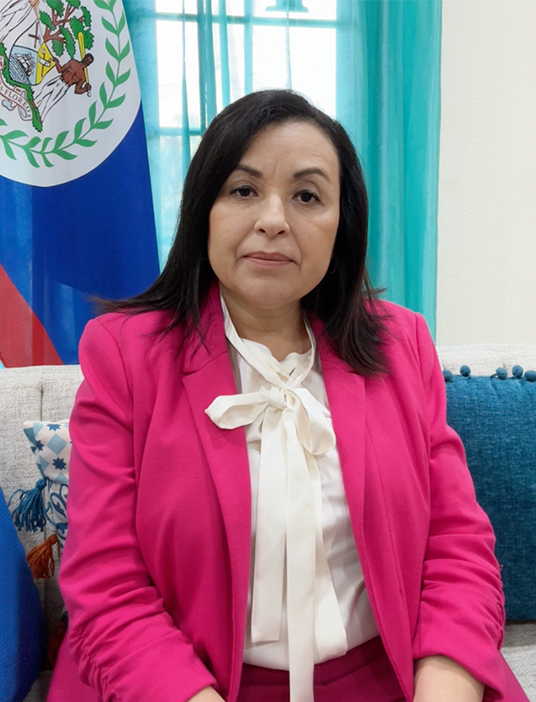
 Belize
-
Bo Tengberg
Spouse of the Prime Minister of Denmark, Danish screenwriter, cinematographer and director

 Denmark
-
Sirje Karis
Spouse of the President of the Republic of Estonia
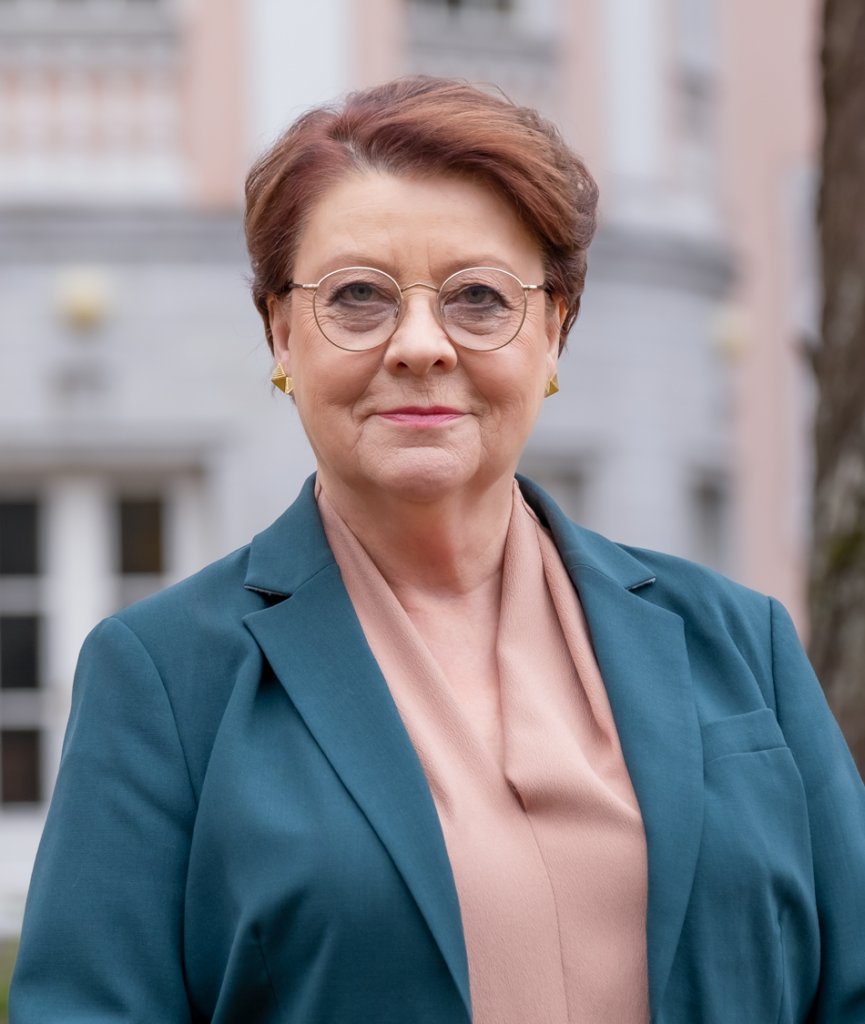
 Estonia
-
Suzanne Innes-Stubb
Spouse of the President of the Republic of Finland
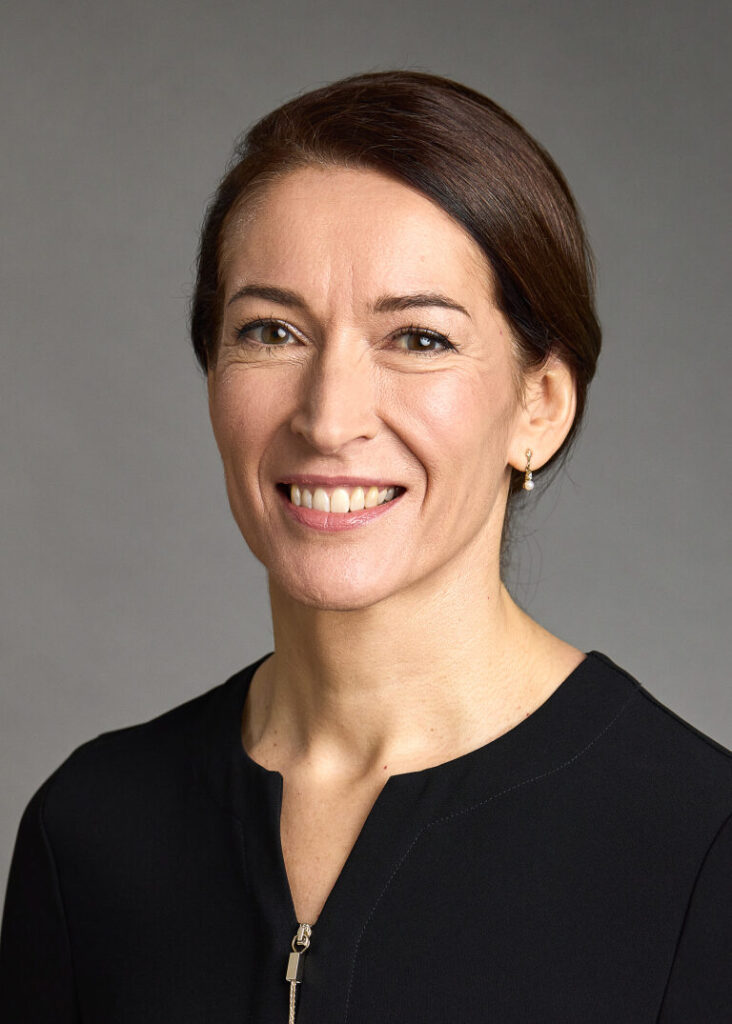
 Finland
-
Dr Lucrecia Eugenia Peinado Villanueva
First Lady of the Republic of Guatemala
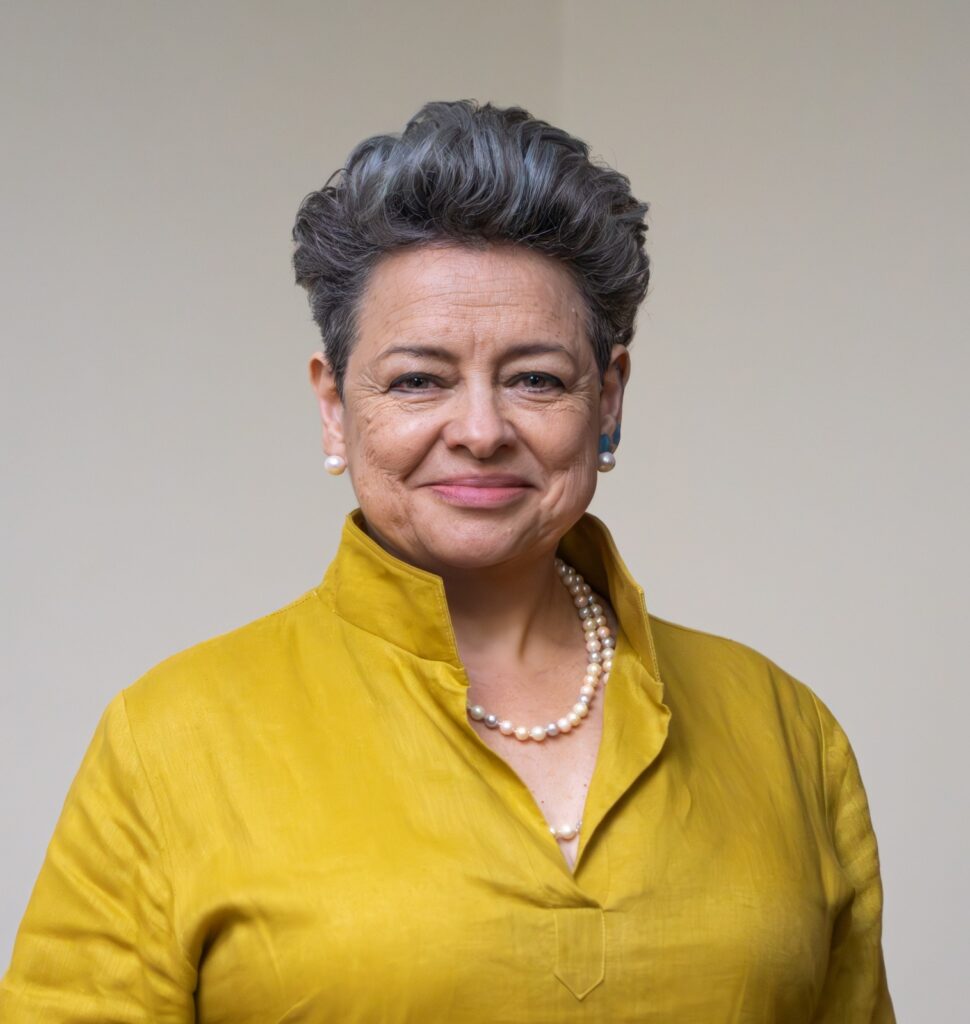
 Guatemala
-
Elke Büdenbender
Spouse of the Federal President of the Federal Republic of Germany
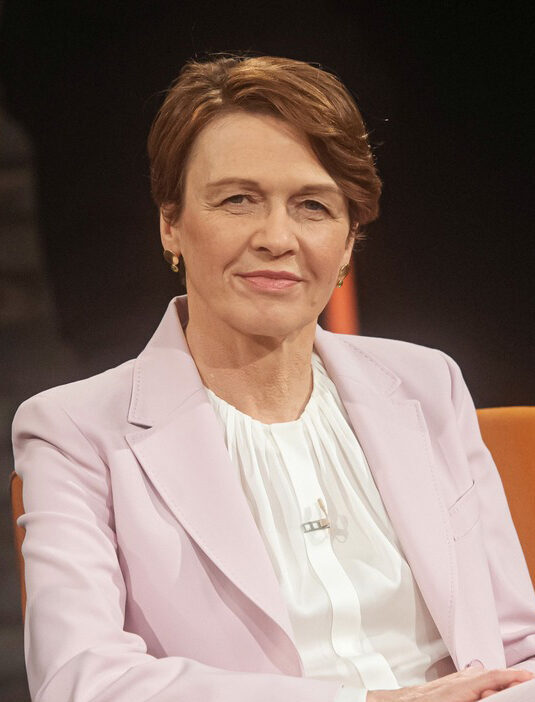
 Germany
-
Michal Herzog
First Lady of Israel
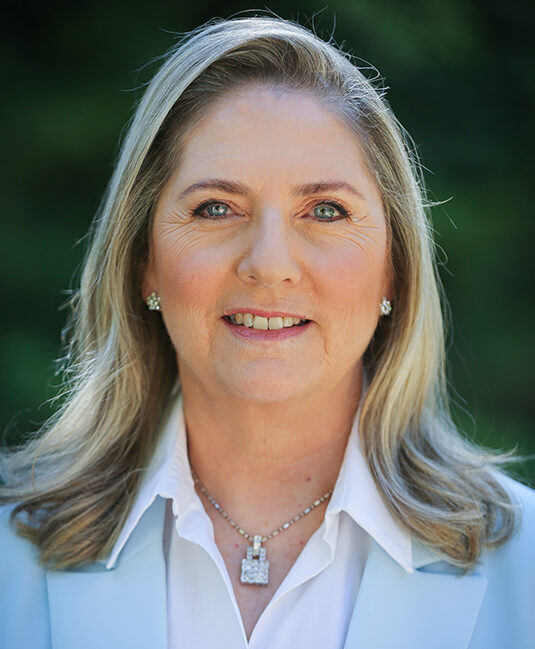
 Israel
-
Diana Nausėdienė
First Lady of the Republic of Lithuania
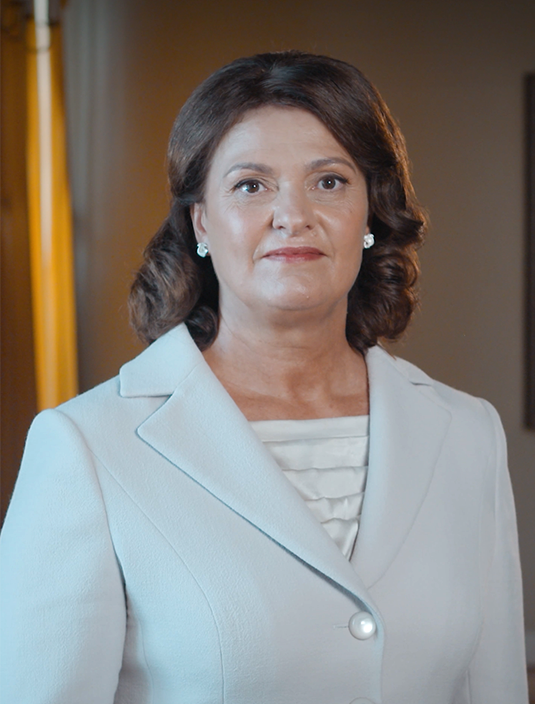
 Lithuania
-
Marta Nawrocka
First Lady of the Republic of Poland

 Poland
-
Tamara Vučić
Spouse of the President of the Republic of Serbia

 Serbia
-
Aleš Musar
First Gentleman of Slovenia
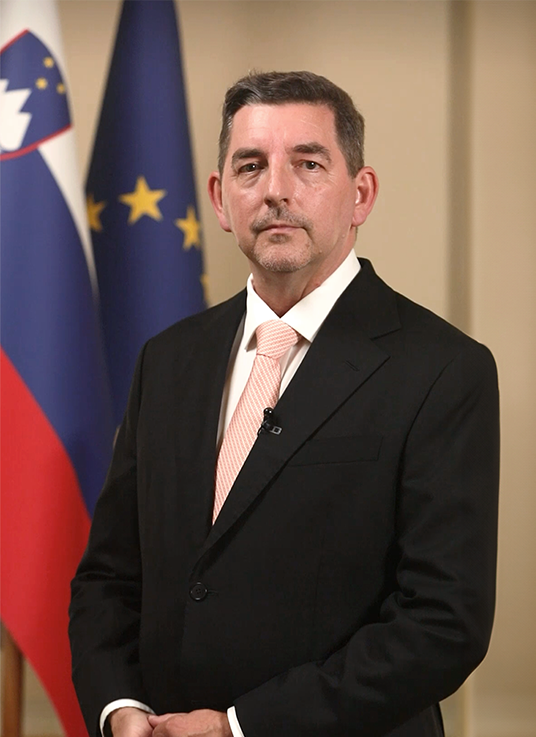
 Slovenia
-
Emine Erdoğan
First Lady of the Republic of Türkiye
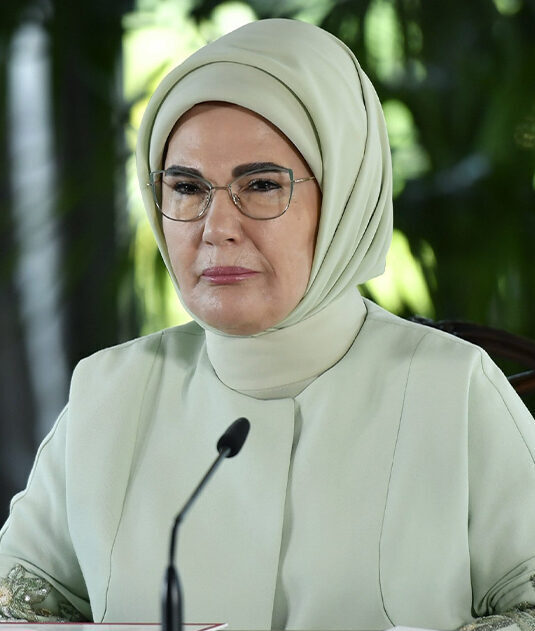
 Türkiye