
First Ladies and Gentlemen discussed gender equality at the Global Soft Power Summit 2025

On the sidelines of the Global Soft Power Summit 2025 in London, a high-profile panel discussion, “Gender Equality as the Foundation of a Modern Society: The Role of Soft Power Leaders,” was held to address gender equality and the influence of First Ladies and Gentlemen in shaping societal change. Organised by the Summit of First Ladies and Gentlemen Global Platform in collaboration with Brand Finance, the discussion examined how global leaders can challenge stereotypes and advocate for policies that promote true equality.
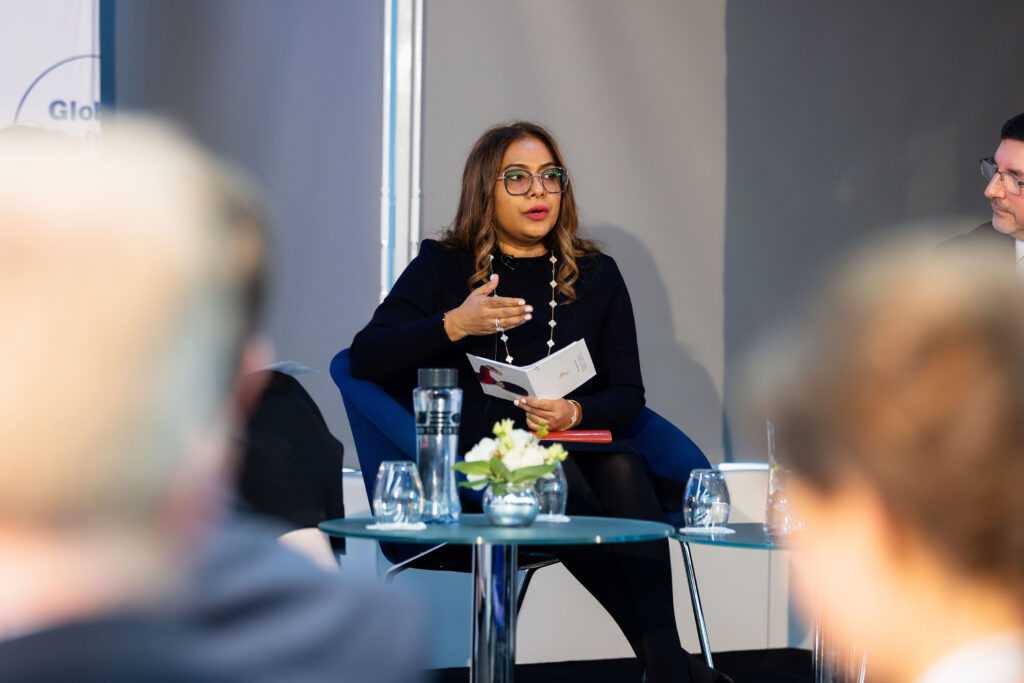
The Global Soft Power Summit, held on 19–20 February, focused on the theme “Responding to the Decline of Globalisation.” As geopolitical divisions deepen, reversing long-standing trends of international cooperation, the summit explored how nations can mobilise their soft power to foster unity. Against this backdrop, the panel discussion underscored how gender equality is not only a human rights issue but also a crucial factor in building modern, resilient societies.
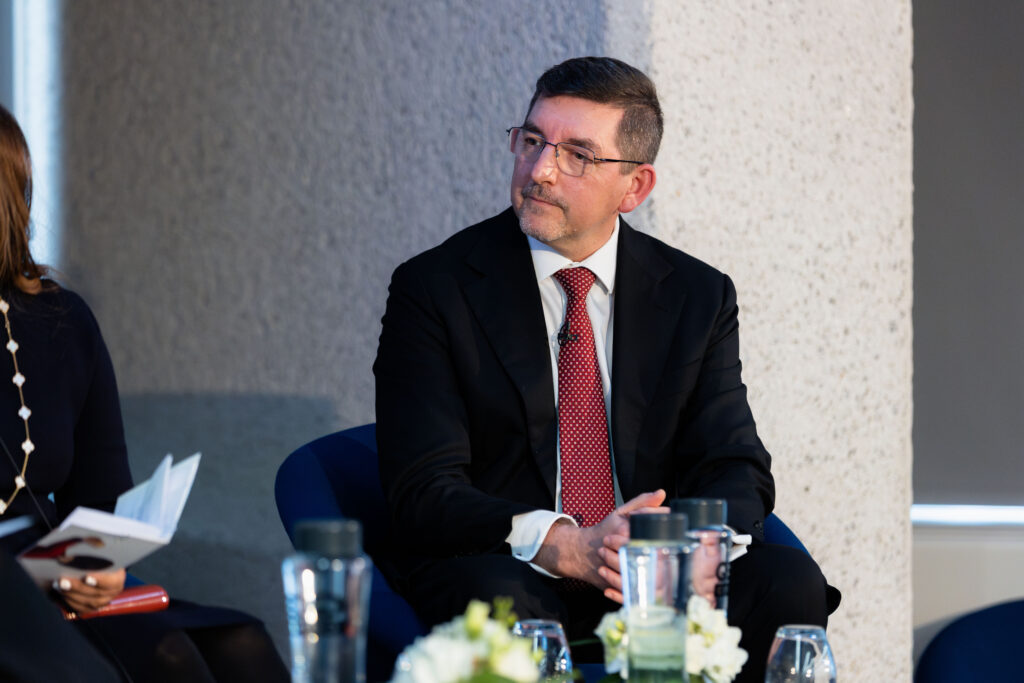
This year’s panel featured Dr Aleš Musar, First Gentleman of Slovenia, and Mellisa Santokhi-Seenacherry, First Lady of Suriname, who participated in person, while Monica Chakwera, First Lady of Malawi, and Tamara Vučić, First Lady of Serbia, contributed via video message. The session was moderated by Annie Brown, Valuation Director at Brand Finance. Discussions centred on the social construction of gender roles and the need for deliberate action to dismantle ingrained stereotypes. Dr Musar illustrated this concept in an unexpected way — by presenting a video of himself baking a pie, using the moment to challenge perceptions of traditional gender roles.
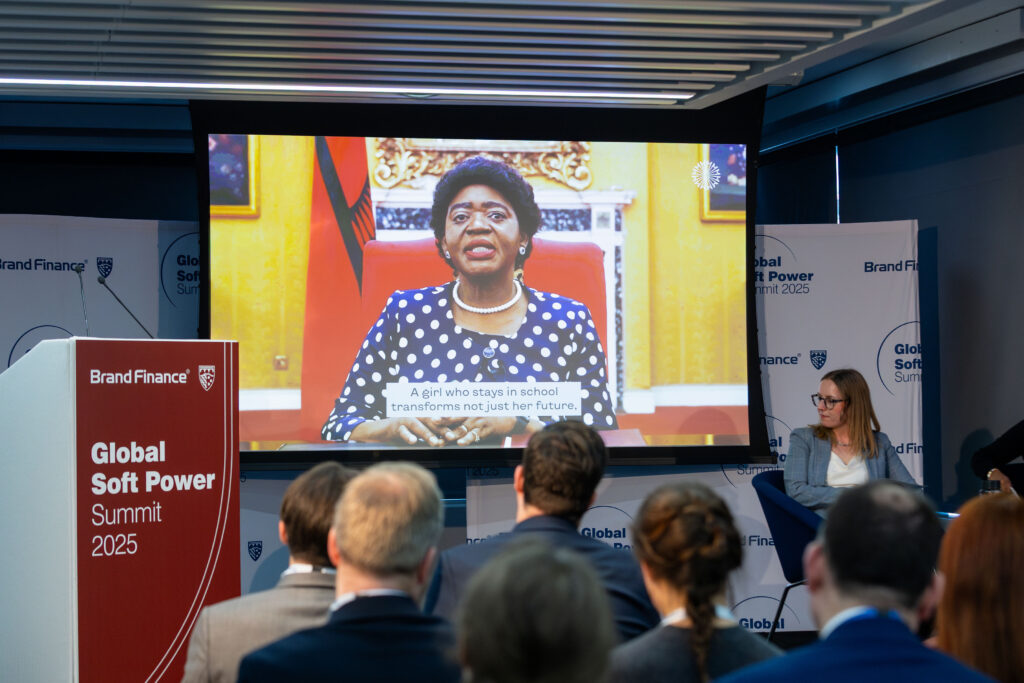
First Lady Monica Chakwera highlighted the transformative power of education and economic independence for women in Malawi, stating, “I have seen firsthand how a girl with an education and a woman with economic power can break the cycle of poverty, uplift her community, and shape the future of a nation.”
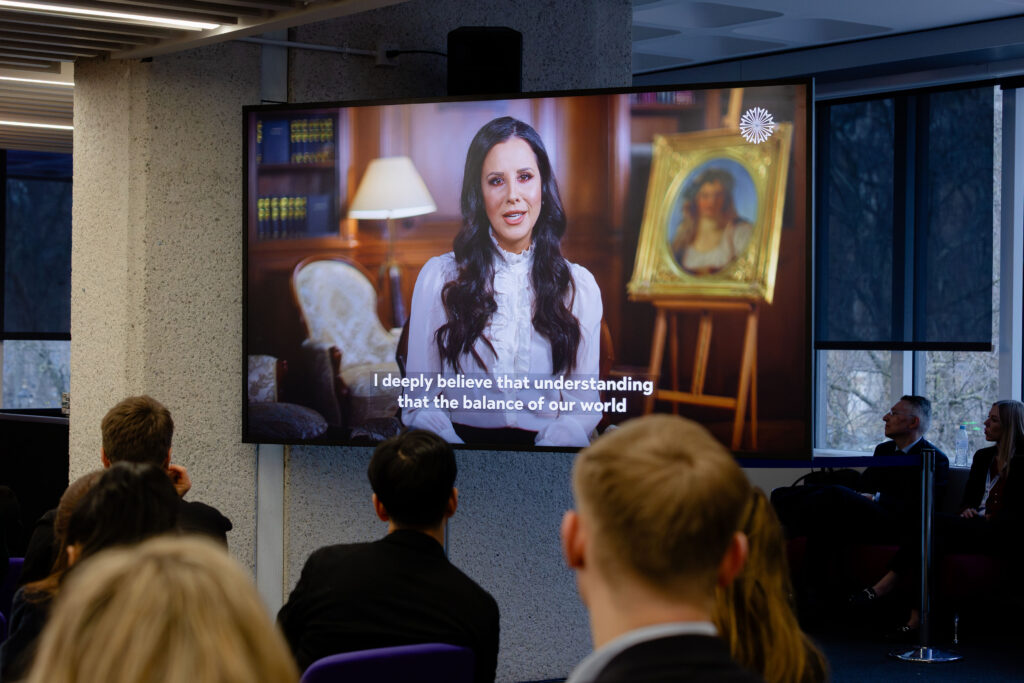
Meanwhile, First Lady Mellisa Santokhi-Seenacherry addressed the importance of shaping gender attitudes from childhood, noting, “When our children act, they basically mirror us. If they behave in a certain way, it is because they have seen or heard it from adults.” First Lady Tamara Vučić reflected on Serbia’s progress in gender representation across leadership and business, urging societies to question ingrained perspectives to restore balance.
The Global Soft Power Summit also featured the presentation of the 6th edition of the Global Soft Power Index by Brand Finance, ranking all 193 UN member states based on their international influence. Research indicates that First Ladies and Gentlemen can shape up to 35.5% of their country’s soft power, making their advocacy on gender equality an essential component of national and global progress.
Gender inequality remains a global challenge, but soft power continues to be a powerful tool for change. First Ladies and Gentlemen are more than symbolic figures — they actively shape public perception, influence policymaking, and champion initiatives that drive gender parity. The Summit of First Ladies and Gentlemen Global Platform remains committed to amplifying their voices, fostering global cooperation, and ensuring that gender equality is not just an aspiration, but a tangible reality.
Related articles
-
 Podcast Premiere: ‘Child Safety in Cyberspace’ dimension now on our YouTube channel
Within the Fourth Summit of First Ladies and Gentlemen, held on 12 September 2024 in Kyiv, the KONTENTA audiovisual...
-
 Interview ‘Voices of Askania: Steppe Lost’ was presented within the eco newspaper at the Fourth Summit of First Ladies and Gentlemen
The ‘Safe Environment for Children’ dimension became one of the main focuses at the Fourth Summit of Fi...
-
 The Summit of First Ladies and Gentlemen Global Platform officially designated in Ukraine’s Public Diplomacy Strategy
The Summit of First Ladies and Gentlemen Global Platform has been officially recognised as one of Ukraine’s f...
-
 Subscribe to the SFLG’s digest
Stay up to date with the most important events of the Summit of First Ladies and Gentlemen Global Platform! Get the...
-
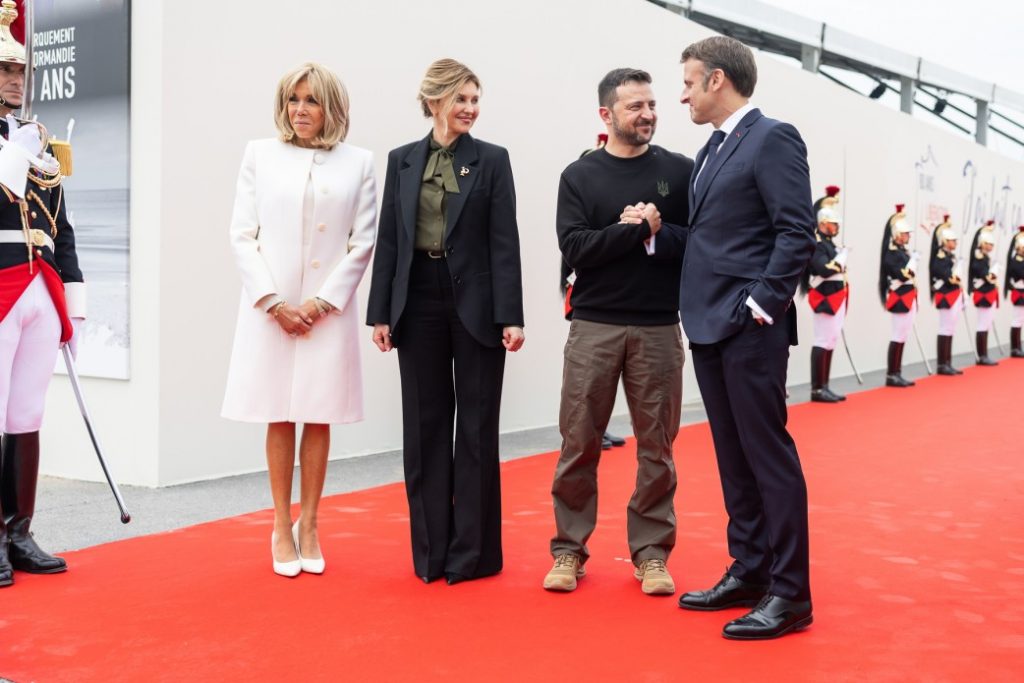 The First Couple of France, Emmanuel and Brigitte Macron, and the First Couple of Ukraine, Volodymyr and Olena Zelenska, met at the Élysée Palace
On 6 June 2024, an official international ceremony was held in France to commemorate the 80th anniversary of the Al...
-
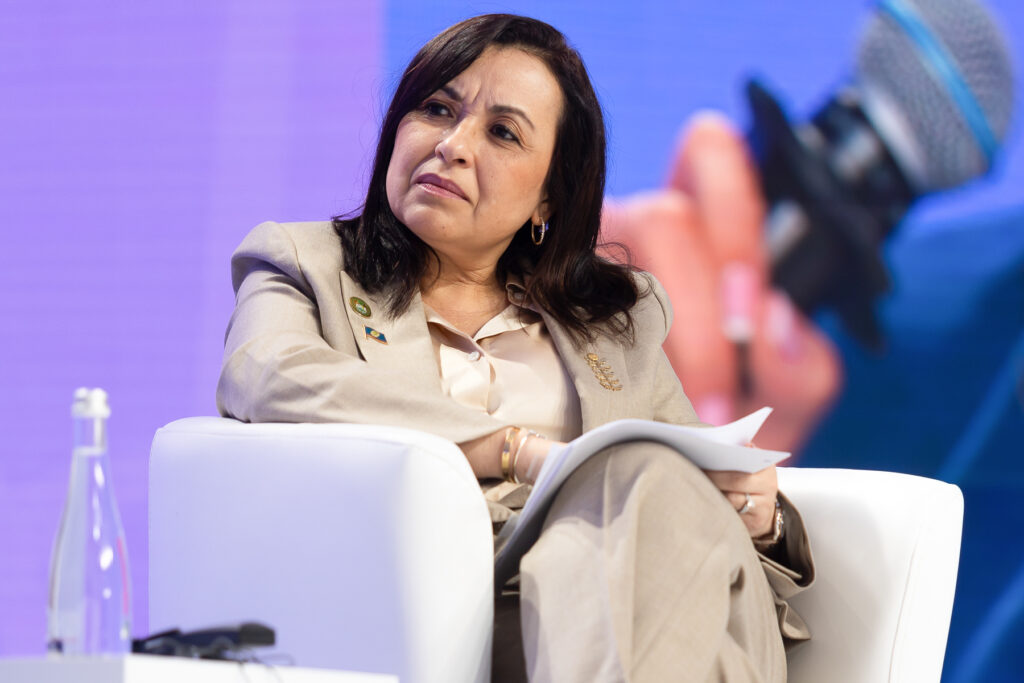 Rossana Briceño: my goal is to ensure that our classrooms are safe
Rossana Briceño, spouse of the Prime Minister of Belize, and a participant in the Fourth Summit of First Ladies and...