
‘Child Safety during the War’ dimension: main outcomes
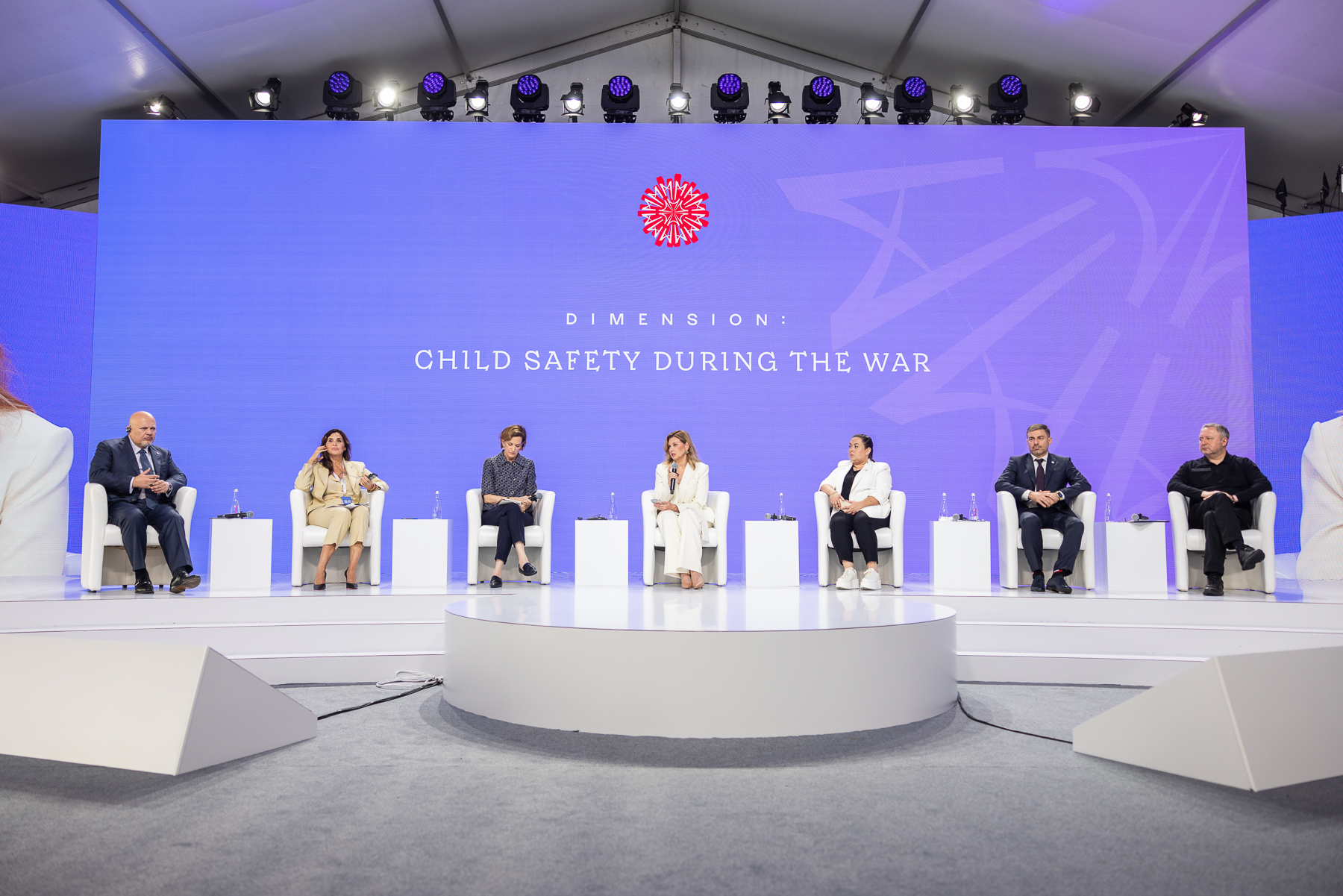
Child safety during the war was one of the topics discussed during the Fourth Summit of First Ladies and Gentlemen.
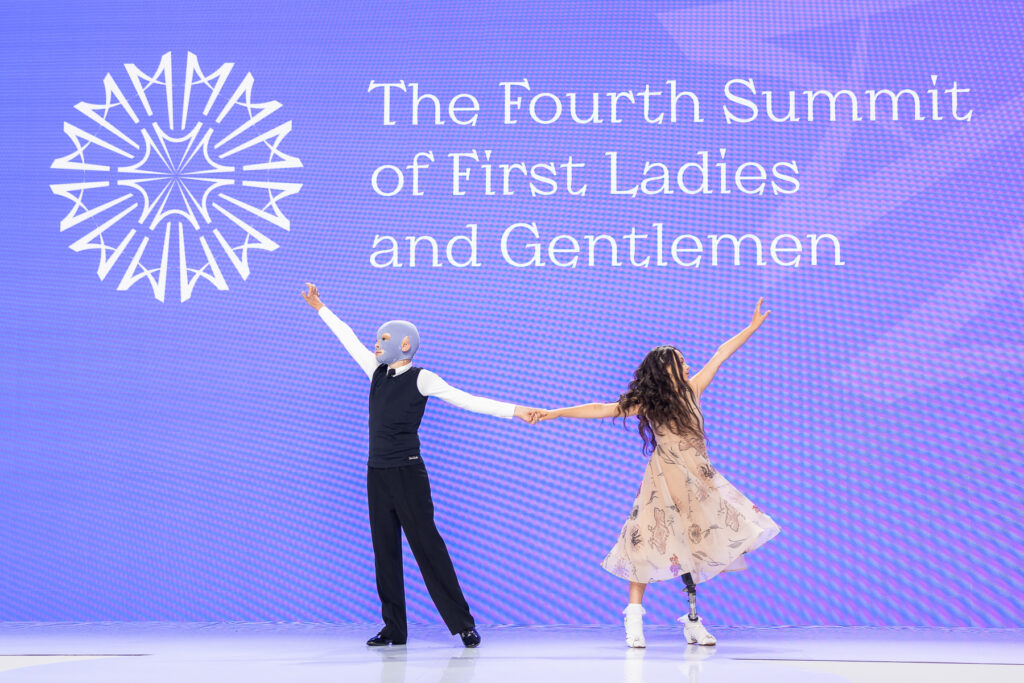
The panel started with a touching dancing performance from 10-year-old Roma Oleksiv and 8-year-old Sasha Paskal. They were both injured during Russian attacks. Sasha lost a leg, and Roma received severe burns. Thanks to the help of doctors, they were able to return to their favourite activities. Sasha is a rhythmic gymnast, and Roma is a dancer.
The panel was moderated by Pulitzer winner Historian, Journalist and Commentator from The Altantic, Anne Applebaum. The speakers were the First Lady of Ukraine, Olena Zelenska; CEO of The Reckoning Project, Janine di Giovanni; Advisor and Commissioner of the President of Ukraine for Child’s Rights and Children Rehabilitation, Daria Herasymchuk; Ombudsman of Ukraine, Dmytro Lubinets; Prosecutor of the International Criminal Court Karim Khan; and Prosecutor General of Ukraine Andriy Kostin.
During her speech, Olena Zelenska discussed the impact of the ongoing war in Ukraine on children, including statistics: over 600 children have been killed, and more than 1,000 have been injured.
In particular, Zelenska highlighted key concerns such as health, including mental health (44% of children show signs of post-traumatic stress disorder, indicating a critical need for mental health support), education (as 24% of children receive education exclusively online, which negatively affects their social development and overall educational quality, for example in mathematics), bullying. Mrs Zelenska also added that despite all these factors, approximately 60% of kids in Ukraine still feel safe, and over 80% of them express a desire to help others, showcasing resilience and empathy.
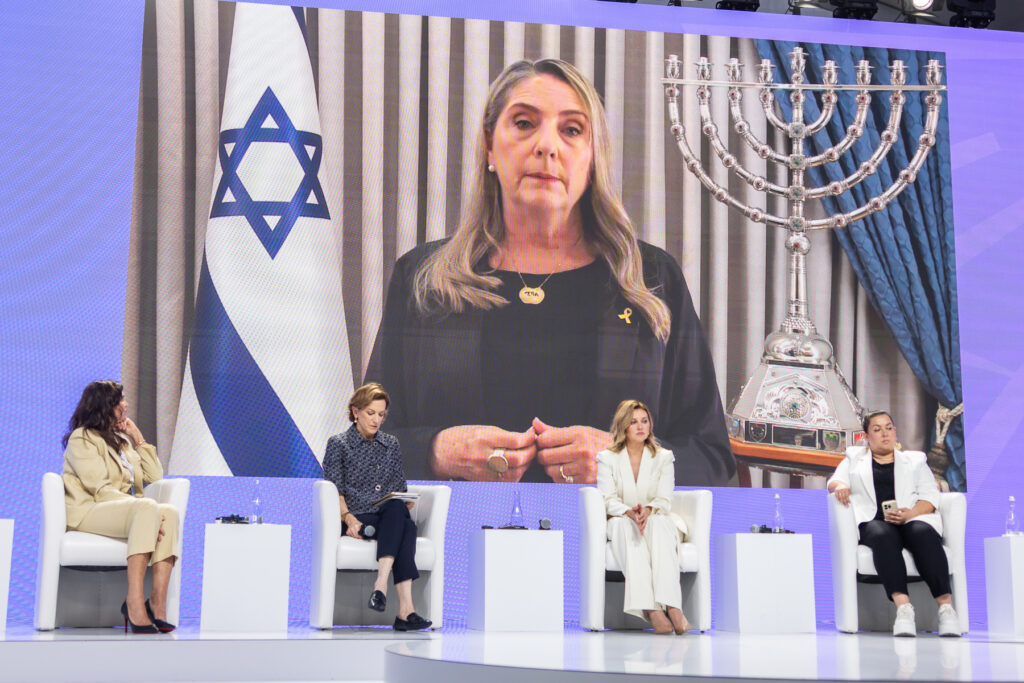
Janine di Giovanni shared her experience as a war reporter and talked about the Reckoning Project. This initiative focuses on documenting war crimes, particularly the abduction of Ukrainian children taken to Russia amid the ongoing war. She revealed that approximately 19,000 children have been forcibly taken, often under false pretences, such as being transported to summer camps. Once in Russia, these children experience systematic erosion of their Ukrainian identity, including being forced to abandon their names, language, and culture.
Daria Harasymchuk outlined five critical recommendations to assist children in war realities, particularly reflecting on Ukraine’s experience during the ongoing war. She gave examples such as establishing a coordinating hub, providing clear guidance, organizing immediate evacuation, addressing child deportation and kidnapping, as well as utilizing international platforms.
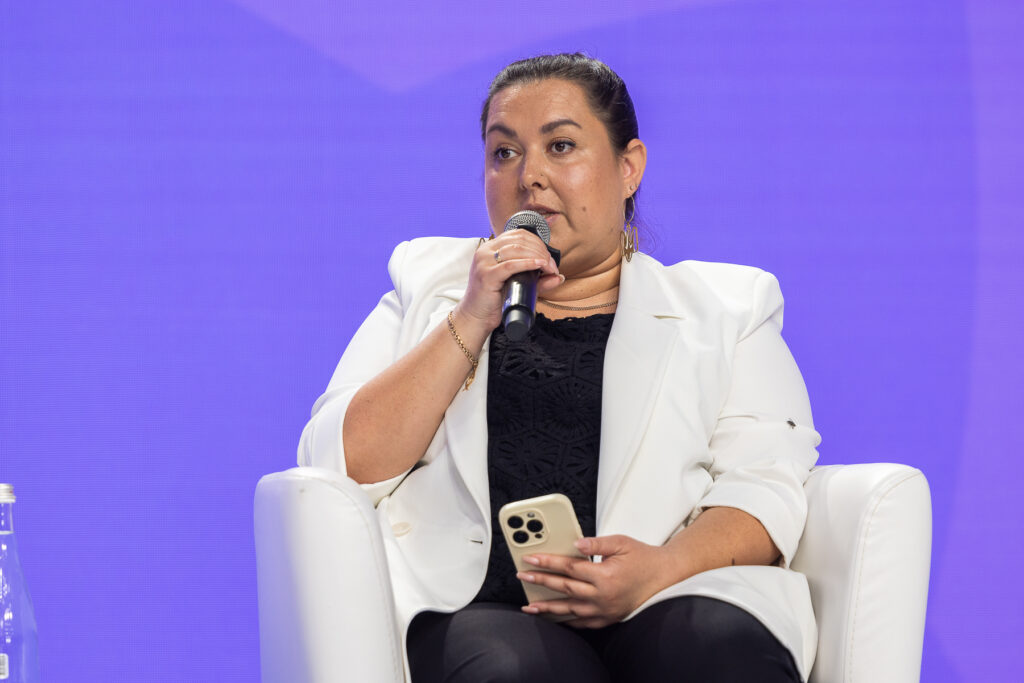
Dmytro Lubinets emphasized the deceptive tactics used by Russia to disguise these kidnappings under the guise of humanitarian programs, such as providing medical treatment. He cited a recent instance in which over 1,000 Ukrainian children from the Kherson region were transferred to Kabardino-Balkaria, raising concerns about their eventual return.
Approximately 20,000 children have been confirmed as forcefully deported or transferred within occupied territories. At the same time, Lubinets estimated that the actual number could be as high as 1.5 million children living under Russian occupation, all of whom are under threat of further deportation.
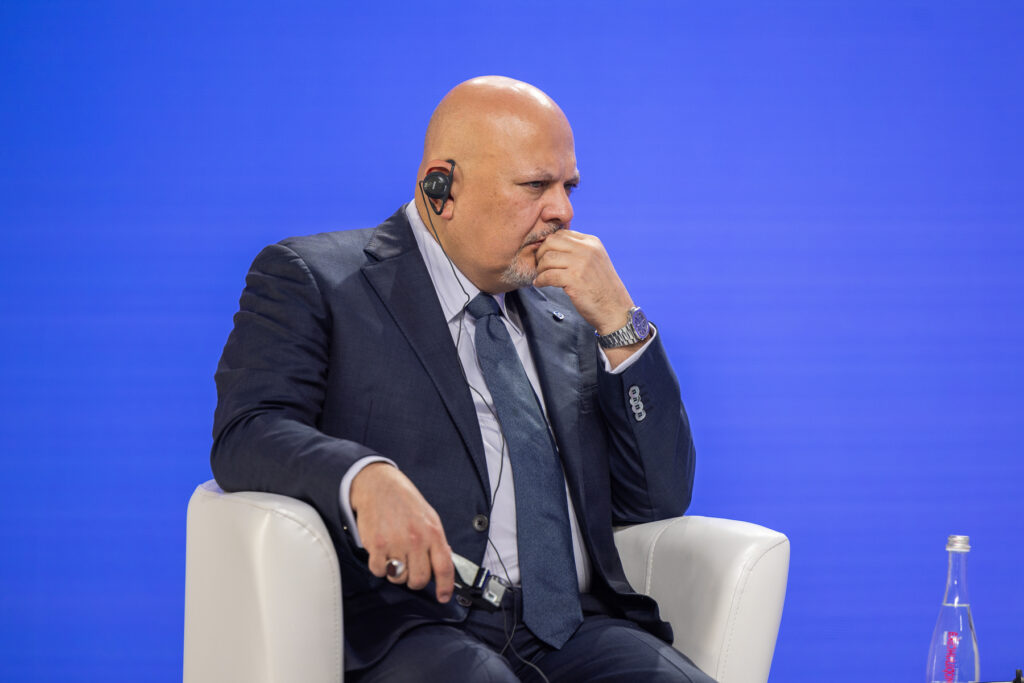
Karim Khan articulated a passionate and urgent call for justice concerning the atrocities committed against children in the context of the ongoing war in Ukraine. His key points include educational disruption and hope for accountability for those who committed war crimes that impact children specifically.
Andriy Kostin shared information about a coordination centre established to support victims and witnesses, with over 850 children recognized as survivors of various atrocities. The speaker highlighted collaborating with international organizations and NGOs to protect these children.
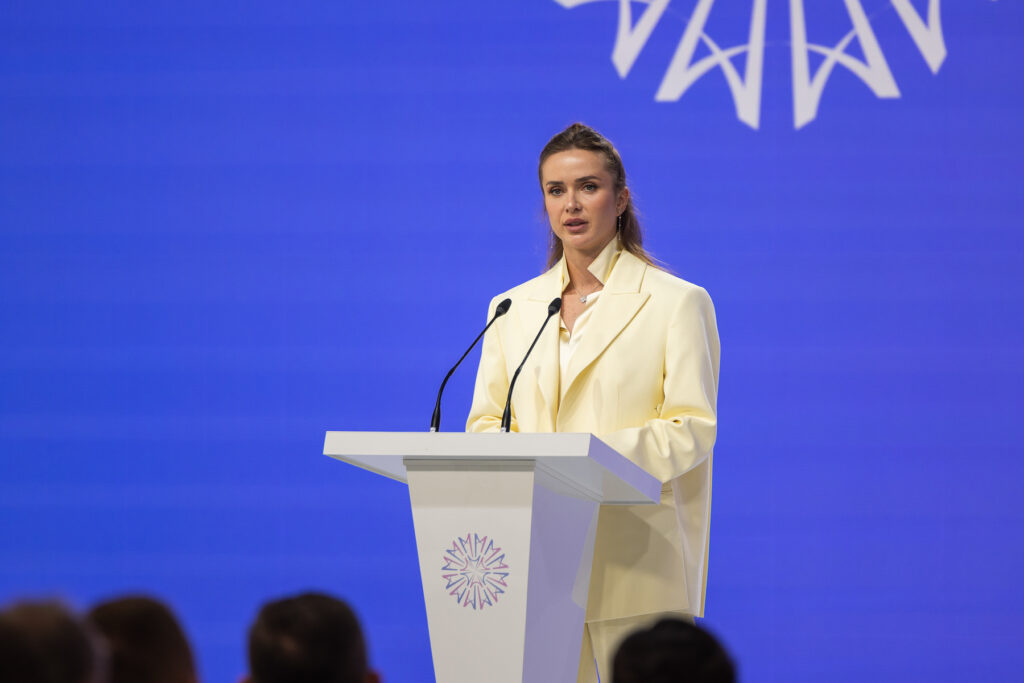
The closing speech was delivered by the Ukrainian professional tennis player Elina Svitolina.
‘Children must be protected from deportation and forced displacement, as well as from being murdered and injured. Schools and hospitals should not be destroyed by missiles. As a mother and a person who works a lot with children through my foundation, I see it as our mission to protect children’s rights. Because children’s rights must always be our priority’, – said Mrs Svitolina.
Related articles
-
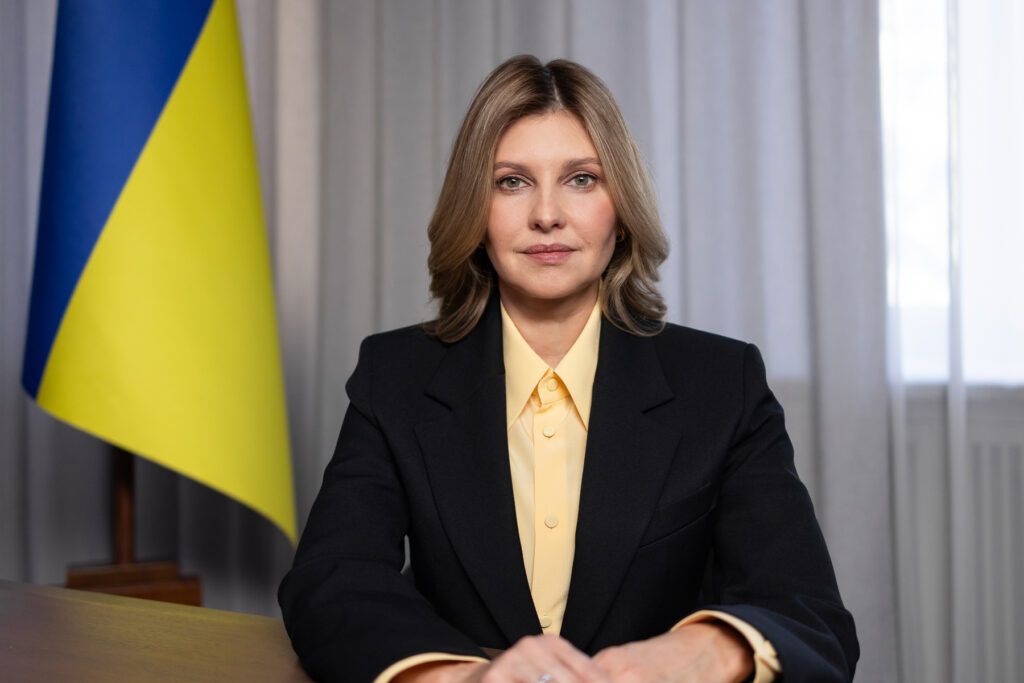 First Lady of Ukraine Olena Zelenska delivered a message at the ‘Shaping the Future of Learning Now’ event
The event ‘Shaping the Future of Learning Now’ took place on the sidelines of the Summit of the Future ...
-
 Subscribe to the SFLG’s digest
Stay up to date with the most important events of the Summit of First Ladies and Gentlemen Global Platform! Get the...
-
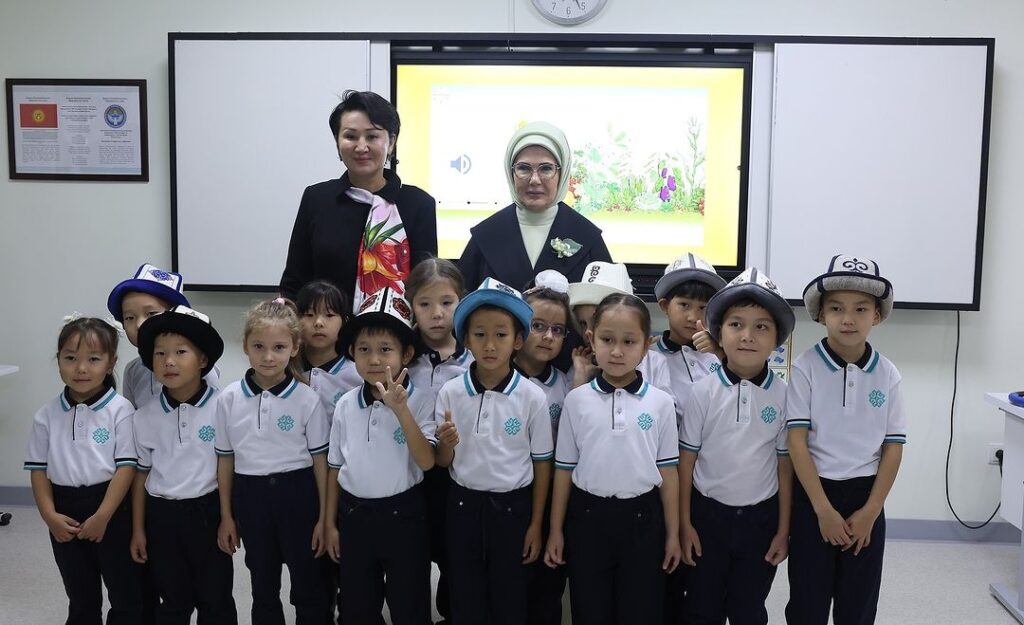 ‘Culture unites hearts with universal bonds’: Emine Erdoğan visits the Kyrgyz Republic
First Lady of the Republic of Türkiye Emine Erdoğan was accompanying President Recep Tayyip Erdoğan during his work...
-
 Four First Ladies visit the Vatican to mark one thousand days of Russia’s full-scale invasion of Ukraine
The Spouse of the Prime Minister of Armenia Anna Hakobyan, the First Lady of Lithuania Diana Nausėdienė, the First ...
-
 Id al-Fitr Murabak!
The Summit of First Ladies and Gentlemen Global Platform wishes you and your loved ones a joyful Eid al-Fitr filled...
-
 Summit Global Platform wishes you a happy New Year 2026!
The beginning of a new year has long been seen as a moment for reflection and renewal — a time to take stock of the...